EN
EN

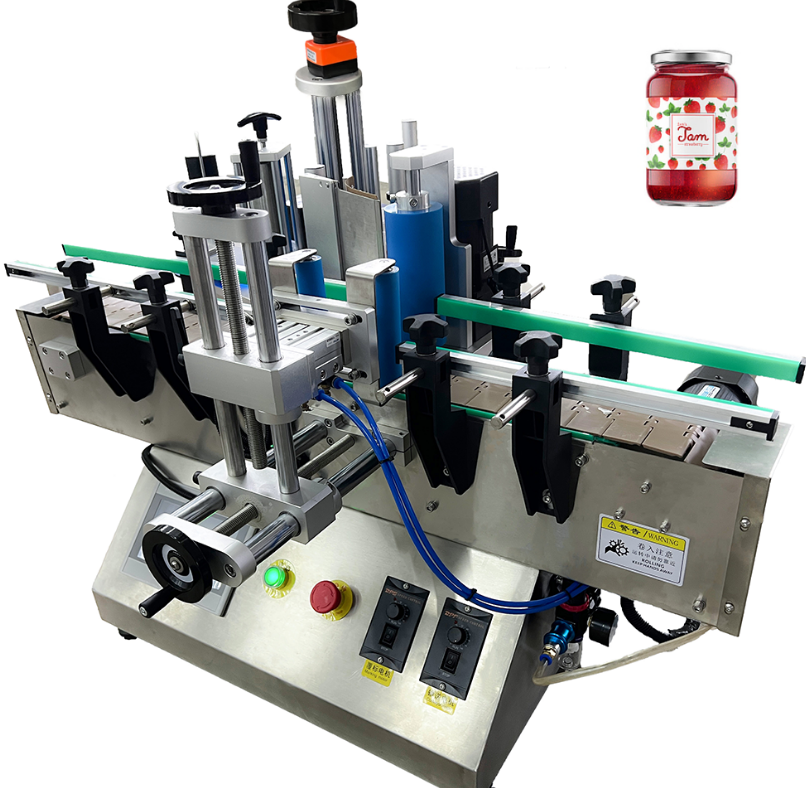
খাদ্য প্যাকেজিং লাইনের জন্য সঠিক সরঞ্জাম নির্বাচন করা যেন একটা জটিল ভাবের মতো মনে হয়— আক্ষরিক অর্থে এবং রূপক অর্থে উভয় ক্ষেত্রেই অনেকগুলো চলমান অংশ রয়েছে। কিন্তু আপনার উৎপাদন প্রক্রিয়াকে নিরবচ্ছিন্নভাবে চালু রাখতে এবং বাধার সৃষ্টি না করতে সঠিক স্বয়ংক্রিয় টপ লেবেল অ্যাপ্লাইকেটর নির্বাচন করা একটি অত্যন্ত গুরুত্বপূর্ণ বিষয়। এটা শুধু একটা বাক্সের উপর একটা স্টিকার লাগানোর মতো সহজ ব্যাপার নয়। এটা হলো নির্ভুলতা, গতি এবং আপনার অপারেশনকে প্রতিদিন নির্ভরযোগ্যভাবে সুচারুরূপে পরিচালনা করার ব্যাপার।
আপনার প্রকৃত উৎপাদন চাহিদা বোঝা
আপনি যখন এখনও স্পেসিফিকেশনগুলির তুলনা শুরু করেননি, তখন আপনার নিজ লাইনটির দিকে একবার ভালোভাবে লক্ষ্য করুন। আপনি আসলে কী অর্জন করতে চাচ্ছেন? একটি সাধারণ ধাপে পড়ার ঝুঁকি হলো আপনার প্রয়োজনের চেয়ে অনেক বেশি মেশিন কিনে ফেলা, অথবা আরও খারাপ হলো— কোণায় কাটার চেষ্টা করা এবং সমগ্র প্লান্টটিকে ধীর করে দেওয়া এমন একটি বোটলনেক তৈরি করা। প্রথমে আপনার প্রকৃত থ্রুপুট প্রয়োজনীয়তা নির্ধারণ করুন। পীক ঘন্টায় প্রতি মিনিটে আপনার লাইন বরাবর কতগুলি কন্টেইনার বা প্যাকেজ আসলে চলাচল করছে? এখানে সত্যিকারের সংখ্যাটি পাওয়া বাকি সবকিছু নির্ধারণ করবে।
শুধু গতির বাইরে, আপনার পণ্যের ভৌত প্রকৃতি সম্পর্কেও ভাবুন। আমরা কি এমন সমতল, অনমনীয় ট্রে-এর কথা বলছি যেগুলোতে লেবেল লাগানো খুবই সহজ, নাকি আপনি বক্র পৃষ্ঠ, সামান্য তৈলাক্ত আস্তরণ, বা এমন ক্ল্যামশেল নিয়ে কাজ করছেন যা কখনোই পুরোপুরি সমতলভাবে বসে না? খাদ্য উৎপাদনের বাস্তবতা বেশ ঝামেলার। জিনিসপত্র তৈলাক্ত, ঠান্ডা এবং স্যাঁতসেঁতে হয়ে যায়। একটি টপ অ্যাপ্লিকেটর হয়তো শুকনো কার্ডবোর্ডে নিখুঁতভাবে কাজ করতে পারে, কিন্তু সামান্য ঘনীভূত জল জমে থাকা একটি পিইটি (PET) ট্রে-তে এর আঠালো ভাব ধরে রাখতে সমস্যা হতে পারে। আপনার এই উপাদানগুলোকে শুধুমাত্র একটি ঝকঝকে শোরুমে নয়, বরং আপনার বাস্তব কারখানার পরিবেশের মতো পরিস্থিতিতে একসাথে পরীক্ষা করা সত্যিই প্রয়োজন।
লাইন ইন্টিগ্রেশনের সাথে গতি ও নির্ভুলতা মিলিয়ে নেওয়া
গতি নিয়ে সত্যি কথা বলা যাক। উচ্চ-গতির খাদ্য উৎপাদন পরিবেশে প্রতিটি মিলিসেকেন্ডই গুরুত্বপূর্ণ। একটি আধুনিক স্বয়ংক্রিয় শীর্ষ লেবেল প্রয়োগকারী যন্ত্রের গতি আপনার ফিলার, ক্যাপার এবং ফ্লো ওয়্যার্পারের গতির সমান হওয়া আবশ্যিক। আজকের সার্ভো-চালিত সিস্টেমগুলি একটি কারণেই সোনার মানদণ্ড হয়ে উঠেছে। এগুলি পুনরাবৃত্তিযোগ্য ও স্পষ্ট গতি প্রদান করে, যা লেবেল স্থাপনকে নির্ভুলভাবে বজায় রাখে—এমনকি শতাধিক প্যাকেজ প্রতি মিনিটে উৎপাদন করার সময়ও—যখন পুরনো বায়ুচালিত সিস্টেমগুলি তার তুলনায় পিছিয়ে পড়ে। আমরা এখানে প্রতি মিনিটে শতাধিক প্যাকেজ উৎপাদন করার সময়ও মাত্র অর্ধ মিলিমিটারের মধ্যে সহনশীলতা বজায় রাখার কথা বলছি।
কিন্তু এটি একটি স্বতন্ত্র রেস কার নয়। জাদু ঘটে এর একীকরণে। এই মেশিনটিকে আপনার লাইনের অবশিষ্ট অংশের সঙ্গে যোগাযোগ করতে হবে। সেরা সেটআপগুলি লেবেলার, পরীক্ষা পদ্ধতি এবং লাইন কন্ট্রোলারের মধ্যে যোগাযোগ সমন্বয় করতে শিল্প প্রোটোকল ব্যবহার করে। এই ধরনের নিরবচ্ছিন্ন কথোপকথনই ঐসব বিরক্তিকর ক্ষুদ্র-বিরতি বন্ধ করে দেয়। যদি আপনার অ্যাপ্লাইকেটর নতুন ব্যাচ শুরু হওয়ার সময় মাত্র এক সেকেন্ডের একটি ভগ্নাংশের জন্যও থেমে যায়, তবে আপনি দক্ষতা হারাবেন। একীকরণ বলতে এখানে সমগ্র সিস্টেমটি একটি সংহত একক হিসাবে চলে, যা সবকিছুকে প্রবাহিত রাখে।
পাত্র ও লেবেল সামঞ্জস্যতা নিয়ে চলাফেরা
সব শীর্ষ-স্তরের লেবেলই সমান নয়, এবং যেসব পৃষ্ঠে এগুলো আটকানো হয় তাও সমান নয়। আপনি এক ঘণ্টা ধরে কাচের জারে লেবেল লাগাচ্ছেন এবং পরের মুহূর্তে নমনীয় পাউচে লেবেল লাগাচ্ছেন। এই রকম পৃষ্ঠতলের পরিবর্তনগুলো কীভাবে প্রয়োগকারী যন্ত্র পরিচালনা করে, তা একটি বড় পার্থক্য সৃষ্টি করে। কঠিন ও সমতল পৃষ্ঠের জন্য বায়ু-দ্বারা প্রয়োগ করা পদ্ধতি অত্যন্ত দ্রুত ও দক্ষ হতে পারে। কিন্তু যখনই আপনি বক্র বা অসম পৃষ্ঠের সম্মুখীন হবেন, তখন আপনার সম্ভবত ট্যাম্প-ব্লো প্রয়োগকারী যন্ত্রের দিকে তাকাতে হবে। ট্যাম্প প্যাডটি লেবেলটিকে পৃষ্ঠের সঙ্গে যান্ত্রিকভাবে সংযুক্ত করে এবং নিশ্চিত করে যে লেবেলটি সম্পূর্ণ মসৃণভাবে আটকে যাচ্ছে—এটি এমন পণ্যের জন্য অপরিহার্য, যেখানে লেবেলটিই শেলফে ব্র্যান্ডের প্রধান মুখ।
আপনার লেবেল উপাদানও সিদ্ধান্ত গ্রহণকে প্রভাবিত করে। আপনি কি বরফ সহ্য করতে সক্ষম হওয়ার জন্য হিমায়িত খাদ্য ব্যাগের জন্য একটি ভারী-দায়িত্ব সম্পন্ন ফিল্ম ব্যবহার করছেন, নাকি শুষ্ক স্ন্যাক বাক্সের জন্য সাধারণ কাগজের লেবেল? লাইনার, আঠালো পদার্থ, পুরুত্ব—সবকিছুকেই মেশিনের আনউইন্ডিং ও অ্যাপ্লিকেশন হেডের মধ্য দিয়ে স্মুথলি চালানো হতে হবে, যাতে জ্যাম হওয়া বা বুদবুদ সৃষ্টি হওয়া এড়ানো যায়। একটি শক্তিশালী স্বয়ংক্রিয় টপ লেবেল অ্যাপ্লিকেটর এই সমস্ত পরিবর্তনশীল উপাদানগুলি সহজ সামঞ্জস্যের মাধ্যমে পরিচালনা করতে পারবে, যার ফলে পরিবর্তনের সময় বন্ধ হওয়ার সময় কমিয়ে আনা যায়। টুল-লেস পরিবর্তনযোগ্য অংশ এবং HMI স্ক্রিনে দ্রুত রেসিপি নির্বাচন আর কোনো বিলাসিতা সংযুক্তি নয়; এগুলো এখন ব্যবহারিক প্রয়োজনীয়তা।
ওয়াশডাউন বাস্তবতার জন্য ডিজাইন করা
খাদ্য উদ্ভিদগুলি মেশিনারির জন্য কঠিন। কঠোর রাসায়নিক দ্রব্য এবং উচ্চ-চাপের জল দিয়ে প্রতিদিন ধোয়া হওয়ায় সাধারণ সরঞ্জামগুলি ধ্বংস হয়ে যায়। এখানেই আপনি একটি সাধারণ শিল্প লেবেলারকে খাদ্য উৎপাদনের জন্য বিশেষভাবে তৈরি করা একটি মেশিন থেকে পৃথক করেন। আপনার কাঙ্ক্ষিত মেশিনটি স্টেইনলেস স্টিল এবং অ্যানোডাইজড অ্যালুমিনিয়াম দিয়ে তৈরি হওয়া উচিত, যার ঢালু ডিজাইন থাকবে যাতে জল জমা না হয়ে বরং বেরিয়ে যায় এবং ব্যাকটেরিয়া উৎপাদন রোধ করা যায়। IP65 বা তার উচ্চতর রেটিং কেবল একটি ভালো সংখ্যা নয় যা কোনো পত্রকে উল্লেখ করা হয়েছে; এটি বোঝায় যে আপনার বিনিয়োগটি আর্দ্রতা ও ধূলিকণা থেকে ঘনিষ্ঠভাবে সীল করা হয়েছে।
চকচকে বাইরের অংশের পাশাপাশি কেবল প্রবেশ পয়েন্টগুলি, মোটর হাউজিং এবং সেন্সর স্থাপনের দিকে লক্ষ্য করুন। এই বিবরণগুলি গুরুত্বপূর্ণ, কারণ এগুলি সরাসরি মেশিনের অপারেশন সময় (আপটাইম) কে প্রভাবিত করে। যে মেশিনটি পরিষ্কার করা কঠিন, তা দূষণের ঝুঁকি তৈরি করতে পারে। ফ্রেমটি যত মসৃণ এবং খোলা হবে, আপনার স্যানিটেশন দল তত দ্রুত তাদের কাজ সম্পন্ন করতে পারবে এবং লাইনটিকে আবার চালু করে দিতে পারবে। এই ডিজাইন দর্শনটি নিশ্চিত করে যে আপনার লেবেলিং সম্পূর্ণ নিয়ম মেনে চলছে এবং আপনার উৎপাদন সময়সূচী প্রতিরোধযোগ্য রক্ষণাবেক্ষণ-সংক্রান্ত সমস্যার কারণে বিঘ্নিত হবে না।
স্মার্ট প্রযুক্তির মাধ্যমে স্টিকারের চেয়ে এগিয়ে যাওয়া
আজকাল, একটি স্মার্ট অটোমেটিক টপ লেবেল অ্যাপ্লাইকেটর শুধুমাত্র একটি মোটর এবং একটি পিল প্লেটের চেয়ে বেশি। এটি একটি ডেটা উৎস। যেসব সিস্টেমে ইন্টিগ্রেটেড ভিশন ইনস্পেকশন অন্তর্ভুক্ত রয়েছে সেগুলো খুঁজুন। এই প্রযুক্তি শুধুমাত্র লেবেলটি উপস্থিত আছে কিনা তা পরীক্ষা করে না; এটি যাচাই করে যে বারকোডটি স্ক্যান করা যায়, মেয়াদোত্তীর্ণ তারিখটি সঠিক এবং লেবেলটি সম্পূর্ণ সঠিকভাবে সাজানো হয়েছে। মুহূর্তের মধ্যে ছাপার ত্রুটি ধরা পড়লে আপনি পরবর্তী পর্যায়ে রিটেইলার ও নিয়ন্ত্রকদের সঙ্গে বিপুল সমস্যা থেকে বাঁচতে পারেন।
অন্য একটি গেম-চেঞ্জার হলো রিয়েল-টাইম পারফরম্যান্স মনিটরিং। মেশিনটি আউটপুট হিসেবে থ্রুপুট, প্রত্যাখ্যান হার এবং ডাউনটাইমের কারণগুলো সম্পর্কে ডেটা প্রদান করতে সক্ষম হওয়া উচিত। এটি আপনার লেবেলিং স্টেশনকে চলমান উন্নয়নের একটি সক্রিয় অংশীদারে পরিণত করে। আপনি প্রবণতা চিহ্নিত করতে পারেন, যেমন— তৃতীয় শিফটের সময় শুধুমাত্র ঘটে এমন সামান্য সারিবদ্ধতা বিচ্যুতি, এবং তা স্ক্র্যাপ সমস্যায় পরিণত হওয়ার আগেই তা সংশোধন করতে পারেন। যখন আপনি আপনার লাইনকে এই স্তরের অন্তর্দৃষ্টি দিয়ে সক্ষম করেন, তখন আপনি শুধুমাত্র লেবেল প্রয়োগ করছেন না; আপনি একটি আরও বুদ্ধিমান অপারেশন গড়ে তুলছেন।
মালিকানা ব্যয়ের প্রকৃত হিসাব করা
ক্রয়মূল্যের দিকে একঘেয়েভাবে মনোযোগ দেওয়া সহজ, কিন্তু সেই অঙ্কটি শুধুমাত্র বরফের চূড়ার মতো। প্রকৃত গল্পটি মেশিনটির জীবনকাল জুড়ে বলা হয়। এটি মূল্যায়ন করার একটি ভালো উপায় হলো মোট মালিকানা ব্যয় (টিসিও) হিসাব করা। এর মানে হলো সময়ের সাথে সাথে খরচযোগ্য উপকরণগুলির খরচ, বেল্ট ও রোলারের মতো ক্ষয়প্রবণ যন্ত্রাংশের আশা করা আয়ু, এবং মেশিনটির শক্তি ব্যবহারের প্রবণতা—সবকিছুকে বিবেচনায় আনা। একটি সস্তা অ্যাপ্লাইকেটর যদি একটি বিশেষাধিকারপ্রাপ্ত, ব্যয়বহুল লেবেল রোল ব্যবহার করে বা ড্রাইভ বেল্টগুলি দ্রুত ফেলে দেয়, তবে তিন বছরের মধ্যে এটি আপনার কাছে বিপুল অর্থ খরচের কারণ হয়ে দাঁড়াতে পারে।
এছাড়া, অপারেশন সময় (আপটাইম) এর মূল্য সম্পর্কে চিন্তা করুন। একটি উন্নত সার্ভো-চালিত সিস্টেমের প্রাথমিক খরচ হয়তো বেশি হবে, কিন্তু এর বিশ্বস্ততা ও নির্ভুলতার জন্য আপনি কোনো বিকল্প অবস্থায় কর্মীদের অপেক্ষা করতে দেবেন না, এবং হাজার হাজার ভুলভাবে লেবেলযুক্ত প্যাকেজ নষ্ট করবেন না। সঠিক পছন্দটি বছরের পর বছর ধরে নিঃশব্দে নিজেকে প্রতিফলিত করে—শুধু কোনো সমস্যা না হওয়ার মাধ্যমে। সেই নির্ভরযোগ্যতাই আপনি যা কিনতে পারেন তার মধ্যে সবচেয়ে গুরুত্বপূর্ণ বৈশিষ্ট্য।