EN
EN

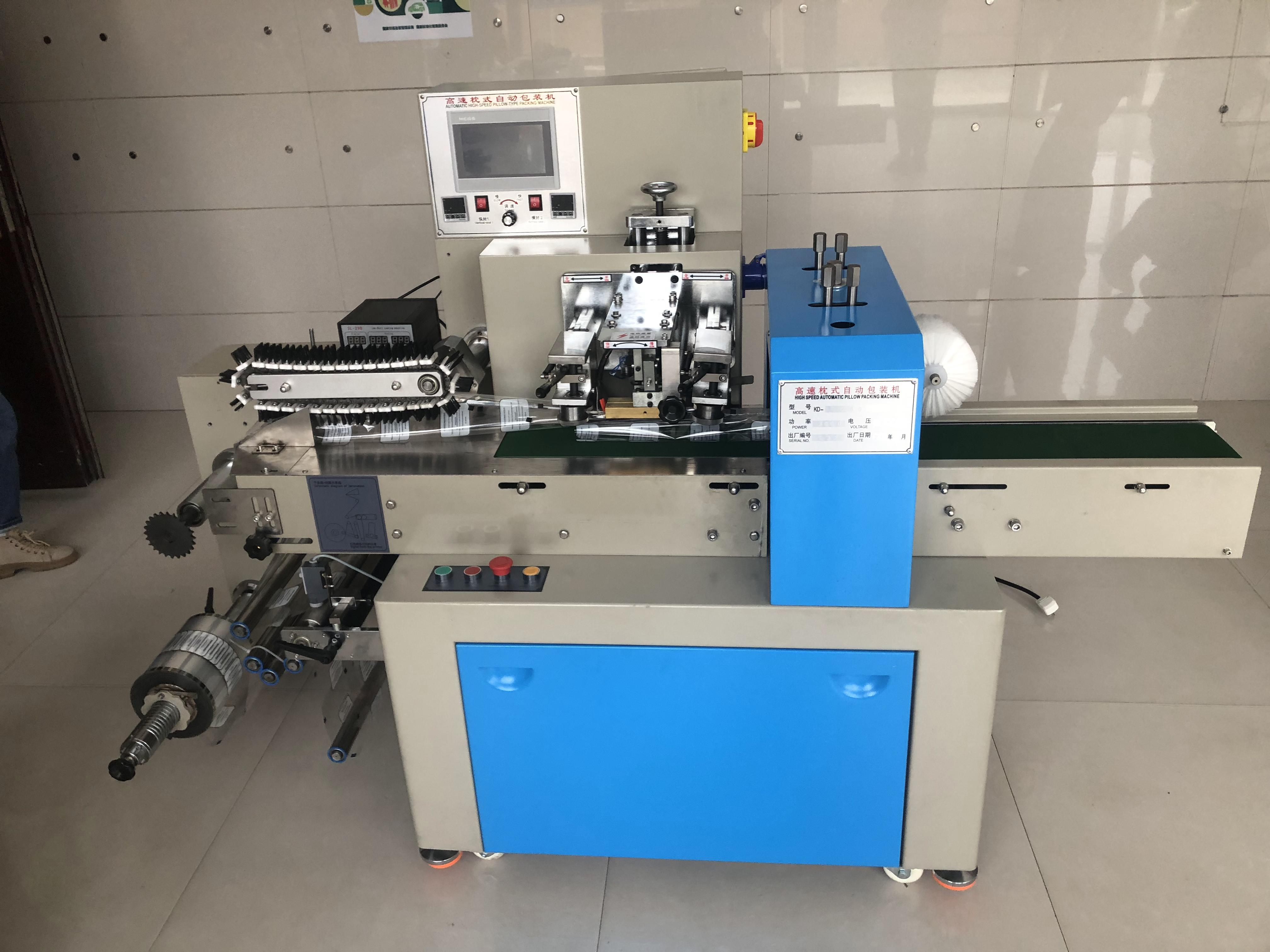
Pematuhan Peraturan: Asas yang Tidak Boleh Diganti bagi Mesin Pembungkusan Makanan dan Farmaseutikal
Keperluan GMP, FDA 21 CFR Bahagian 11, dan ISO 22000/13485 dalam rekabentuk mesin
Peralatan pengepakan yang digunakan dalam pembuatan makanan dan farmaseutikal perlu memenuhi piawaian antarabangsa yang ketat jika syarikat ingin memastikan produk mereka selamat dan utuh. Garis panduan GMP pada asasnya mengharuskan pengilang mereka mereka bentuk mesin yang dapat menghalang pencemaran sejak dari peringkat awal. Bayangkan permukaan yang licin yang tidak menahan sisa bahan, bahan yang tidak bertindak balas dengan barang yang dikepalkan, serta keseluruhan struktur reka bentuk yang memudahkan proses pembersihan. Peraturan FDA di bawah Bahagian 11 CFR 21 bukan sekadar dokumen pentadbiran—ia menuntut sistem rekod elektronik yang sesuai supaya semua pihak mengetahui secara tepat apa yang berlaku semasa setiap kelompok pengeluaran. Bagi keselamatan makanan, ISO 22000 menetapkan tahap yang sangat tinggi, manakala pengilang peranti perubatan mengikuti ISO 13485 yang memberi tumpuan kepada kawalan kualiti untuk barang-barang seperti produk steril yang memerlukan pemantauan suhu sepanjang proses pengeluaran. Apabila syarikat mengabaikan peraturan ini, kosnya meningkat dengan cepat. Statistik industri menunjukkan bahawa perbelanjaan untuk penarikan semula biasanya mencapai sekitar setengah juta dolar AS bagi setiap insiden, belum lagi kerosakan terhadap imej jenama yang menyusul. Pengilang bijak membina kepatuhan ke dalam mesin mereka sejak hari pertama. Ramai yang memilih keluli tahan karat seperti gred AISI 316, menggunakan komponen modular yang memudahkan penyelenggaraan, serta memasukkan sistem pembersihan yang juga berfungsi sebagai bukti sanitasi bagi pemeriksa.
Kemampuan Pengedapan yang Menunjukkan Adanya Gangguan dan Penjejakan serta Pengeserian
Kaedah pengedap yang menunjukkan sama ada seseorang telah mencemari pembungkusan, seperti filem yang dihermetikkan dengan haba, penutup yang mudah pecah, atau jalur frangible di sekeliling botol, memberikan bukti visual serta-merta apabila berlaku akses tanpa kebenaran. Ini amat penting untuk memastikan keselamatan makanan dan ubat-ubatan sepanjang perjalanan mereka dari kilang hingga kepada pengguna akhir. Sistem jejak dan lacak beroperasi dengan meletakkan penanda unik pada setiap produk atau kumpulan produk. Penanda ini boleh berupa kod bar 2D kecil yang kini biasa dilihat di mana-mana sahaja, kod QR yang menghubungkan ke laman web, atau malah cip RFID kecil yang terbenam dalam pembungkusan. Dengan penanda ini, syarikat dapat memantau lokasi barang-barang mereka langkah demi langkah sepanjang proses pembuatan dan penghantaran. Perbezaan yang dibuat oleh sistem ini semasa tindakan penarikan semula adalah sangat besar. Apabila berlaku masalah kontaminasi di suatu tempat sepanjang rantaian bekalan, penyiasat tidak lagi perlu membuat carian secara rawak. Sebaliknya, mereka boleh mengenal pasti pukal (batch) yang terjejas secara tepat dan hampir serta-merta. Peralatan pemeriksaan moden memeriksa ketegapan pengedap semasa produk bergerak di sepanjang talian pengeluaran serta mengesahkan bahawa kod-kod tersebut boleh dibaca dan utuh. Ini membantu memenuhi keperluan yang ditetapkan dalam peraturan seperti Akta DSCSA Amerika Syarikat dan peraturan serupa di Eropah mengenai ubat-ubatan palsu. Menurut kajian yang diterbitkan dalam jurnal rantaian bekalan, perniagaan yang melaksanakan langkah perlindungan komprehensif ini biasanya mengalami penurunan sebanyak kira-kira sepertiga dalam kes produk tiruan yang berjaya memasuki edaran.
Jenis-Jenis Utama Mesin Pengemasan yang Digunakan dalam Barisan Makanan dan Farmaseutikal
Mesin Bentuk-Isi-Segel Menegak dan Melintang (VFFS/HFFS) untuk Produk Kering dan Separuh Pejal
Mesin VFFS mengendalikan keseluruhan proses dari pembentukan hingga penyegelan pekung menggunakan bahan gulungan, yang sangat sesuai untuk bahan seperti serbuk kering, pil, atau makanan ringan yang mengalir bebas. Versi HFFS membungkus produk secara melintang, menjadikannya lebih sesuai untuk bahan yang bukan cecair sepenuhnya tetapi masih memerlukan penanganan teliti, contohnya blok keju, pembalut, atau kapsul gummy lembut. Sistem-sistem ini mampu menghasilkan lebih daripada 200 unit setiap minit tanpa mengorbankan kebersihan, berkat penapis HEPA terpasang dan kawasan tekanan terkawal di dalam badan mesin. Apa yang benar-benar menonjol ialah kelajuan operator dalam bertukar antara pelbagai jenis produk apabila diperlukan. Dengan alat penukaran pantas, talian pengeluaran boleh berpindah format hanya dalam masa kira-kira 15 minit sahaja. Keluwesan sebegini mengurangkan kos pelaburan awal kira-kira 35% berbanding membeli mesin berasingan untuk setiap jenis produk, seperti yang dilaporkan oleh Packaging Digest tahun lalu. Dan terdapat berita baik lain juga: kebanyakan sistem moden kini dilengkapi dengan sensor pemeriksaan berat dan teknologi pengukuran isipadu yang mengekalkan ralat dos di bawah separuh peratus, memenuhi semua piawaian yang diperlukan bagi pembungkusan ubat dan label makanan.
Sistem Pengisian dan Penyegelan yang Tepat: Daripada Pengisian Cecair hingga Enkapsulasi Kapsul
Kedua-dua pengisi cecair jenis peristaltik dan piston menawarkan ketepatan yang luar biasa sekitar ±0,1% apabila mengendalikan pelbagai kelikatan, dari larutan salin steril dan bahan biologi hingga ke pure buah yang pekat dan minuman fungsional. Mesin-mesin ini mengekalkan tahap kebersihan setaraf farmaseutikal berkat laluan bendalir berkitar tertutup dan reka bentuknya yang sesuai dengan proses pembersihan CIP. Pengenkapsul kapsul putar mampu menghasilkan sehingga 150 ribu kapsul setiap jam sambil mengawal zarah-zarah terapung mengikut keperluan bilik bersih ISO Kelas 5. Ini menjadikannya sesuai tidak hanya untuk suplemen probiotik tetapi juga ubat-ubatan analgesik tanpa preskripsi. Bagi produk yang sensitif terhadap pendedahan oksigen, teknologi pengedap lanjutan kini termasuk pengaliran nitrogen dikombinasikan dengan kaedah bantu vakum. Perlindungan ini memperpanjang jangka hayat simpan secara ketara—kadang-kadang sehingga 40%—terutamanya berguna bagi campuran jus segar dan formulasi vitamin (menurut Food Tech Journal, 2024). Jejak digital terbina dalam semua sistem untuk menjejak parameter pengisian, suhu pengedapan, dan rekod pembersihan, yang memenuhi peraturan dokumentasi ketat FDA 21 CFR Bahagian 11 dan ISO 13485. Yang benar-benar berguna ialah reka bentuk modular yang membolehkan operator bertukar dengan cepat antara tugas penutupan vial, pengeluaran pembungkusan blister, dan operasi pengedapan sachet tanpa perlu menggantikan sebarang komponen perkakasan.
Mesin Pengepakan Sedia Integrasi: Automasi, Penyelarasan Garis, dan Pemeriksaan Pintar
Mesin Pelabelan, Pembungkusan Kotak, dan Pemeriksaan Penglihatan dengan Sambungan Industri 4.0
Operasi pembungkusan hari ini bergantung secara besar kepada sistem-sistem yang beroperasi secara bersama-sama, bukan lagi mesin-mesin berdiri sendiri yang berfungsi secara terpisah. Dengan teknologi Industri 4.0, stesen pelabelan, mesin pengemas kotak (cartoners), dan unit pemeriksaan canggih tersebut saling berkomunikasi antara satu sama lain menggunakan protokol seperti OPC UA atau MQTT melalui sistem kawalan pusat seperti MES atau SCADA. Kamera berasaskan kecerdasan buatan (AI) yang memeriksa produk mampu mengimbas label, segel, dan kod penjejakan pada kelajuan yang sangat tinggi—kadang-kadang melebihi 500 bungkusan setiap minit. Sistem ini mengesan masalah seperti label yang tidak lurus, cetakan yang kabur, atau nombor siri yang hilang secara serta-merta, walaupun produk masih bergerak sepanjang talian pengeluaran. Pelbagai jenis sensor mengumpul metrik prestasi secara masa nyata, yang kemudiannya diintegrasikan ke dalam program penyelenggaraan pintar. Pendekatan ini membantu mengurangkan hentian tidak dijangka—kira-kira sebanyak 25%, bergantung pada keadaan tertentu. Apa yang menjadikan keseluruhan sistem ini benar-benar bernilai ialah kemampuannya untuk menyesuaikan operasi talian secara dinamik. Apabila sebuah mesin pengemas kotak mulai melambat di bahagian talian yang lebih jauh, mesin pengisian di bahagian hulu secara automatik turut melambat juga—mencegah timbunan atau kelimpahan isian. Tiada keperluan untuk pekerja berlari-lari menyesuaikan tetapan secara manual. Pemeriksaan kualiti dilakukan secara automatik pada titik-titik utama sepanjang proses pengeluaran. Produk sama ada lulus atau ditolak berdasarkan peraturan ketat yang telah ditetapkan sebelumnya. Kaedah ini menggantikan kaedah lama di mana pekerja hanya mengambil sampel secara rawak terhadap barang siap selepas proses pengeluaran selesai. Semua proses kekal mematuhi peraturan agensi pengawalselia seperti FDA dan EFSA tanpa memerlukan seseorang menilai semula secara subjektif apa yang boleh diterima.
Mengimbangi Kelenturan dan Pengesahan: Memilih Mesin Pengepakan untuk Garis Penggunaan Bersama atau Berganda
Pengilang yang mengendalikan talian pengeluaran yang melayani pasaran makanan dan farmaseutikal menghadapi cabaran sebenar apabila memilih mesin pembungkusan. Mereka memerlukan peralatan yang mampu beralih antara pelbagai produk tanpa terganggu sedikit pun. Bayangkan mengendalikan segala-galanya, dari serbuk halus hingga cecair pekat, tablet, dan malah vial steril—semua dalam satu talian yang sama. Namun, terdapat aspek lain dalam persamaan ini. Setiap kali berlaku perubahan pada talian—sama ada pertukaran jenis produk, penggantian alat, atau penyesuaian proses pembersihan—keseluruhan sistem perlu disahkan semula mengikut peraturan seperti GMP, FDA 21 CFR Bahagian 11, dan piawaian ISO tersebut. Pengilang bijak mencari mesin yang dilengkapi automasi terbina dalam untuk penukaran pantas, tandatangan digital pada prosedur operasi standard mereka, serta sensor yang memantau butiran penting seperti suhu segel haba, jumlah isian ke dalam bekas, dan tempoh pembersihan dengan nitrogen semasa transisi. Jenis peralatan ini memudahkan proses pengesahan, mengurangkan ralat yang dibuat manusia, serta menghasilkan rekod yang menunjukkan kualiti tetap konsisten walaupun pengeluaran dilakukan dalam kelompok kecil bagi pelbagai produk berbeza.
Soalan Lazim
Apakah keperluan peraturan utama untuk mesin pembungkus dalam industri makanan dan farmaseutikal?
Keperluan peraturan utama termasuk garis panduan GMP, FDA 21 CFR Bahagian 11 untuk rekod elektronik, ISO 22000 untuk keselamatan makanan, dan ISO 13485 untuk kawalan kualiti peranti perubatan.
Bagaimanakah sistem pengedap yang menunjukkan tanda gangguan dan sistem pensirian jejak-dan-lacak menyumbang kepada keselamatan?
Pengedap yang menunjukkan tanda gangguan memberikan bukti visual terhadap akses tanpa kebenaran, manakala sistem jejak-dan-lacak membolehkan penjejakan terperinci produk, meningkatkan keselamatan semasa proses penarikan semula.
Apakah yang menjadikan mesin isian-dan-pembungkus menegak dan mendatar (VFFS/HFFS) pelbagai guna?
Mesin-mesin ini mengendali pelbagai jenis produk secara cekap dan membolehkan pertukaran pantas antara format, mengurangkan kos serta memenuhi piawaian kepatuhan.
Bagaimanakah Industri 4.0 meningkatkan operasi mesin pembungkus?
Teknologi Industri 4.0 membolehkan penyambungan dan pemantauan prestasi secara masa nyata, mengoptimumkan kecekapan proses pelabelan, pembungkusan dalam kotak, dan pemeriksaan.
Mengapa kelenturan penting dalam talian pengeluaran bersama untuk makanan dan farmaseutikal?
Kelenturan membolehkan peralihan penanganan produk secara lancar dan mengurangkan keperluan pengesahan sistem yang kerap, memastikan kualiti yang konsisten merentasi pelbagai produk.
Kandungan
- Pematuhan Peraturan: Asas yang Tidak Boleh Diganti bagi Mesin Pembungkusan Makanan dan Farmaseutikal
- Jenis-Jenis Utama Mesin Pengemasan yang Digunakan dalam Barisan Makanan dan Farmaseutikal
- Mesin Pengepakan Sedia Integrasi: Automasi, Penyelarasan Garis, dan Pemeriksaan Pintar
- Mengimbangi Kelenturan dan Pengesahan: Memilih Mesin Pengepakan untuk Garis Penggunaan Bersama atau Berganda
-
Soalan Lazim
- Apakah keperluan peraturan utama untuk mesin pembungkus dalam industri makanan dan farmaseutikal?
- Bagaimanakah sistem pengedap yang menunjukkan tanda gangguan dan sistem pensirian jejak-dan-lacak menyumbang kepada keselamatan?
- Apakah yang menjadikan mesin isian-dan-pembungkus menegak dan mendatar (VFFS/HFFS) pelbagai guna?
- Bagaimanakah Industri 4.0 meningkatkan operasi mesin pembungkus?
- Mengapa kelenturan penting dalam talian pengeluaran bersama untuk makanan dan farmaseutikal?