EN
EN

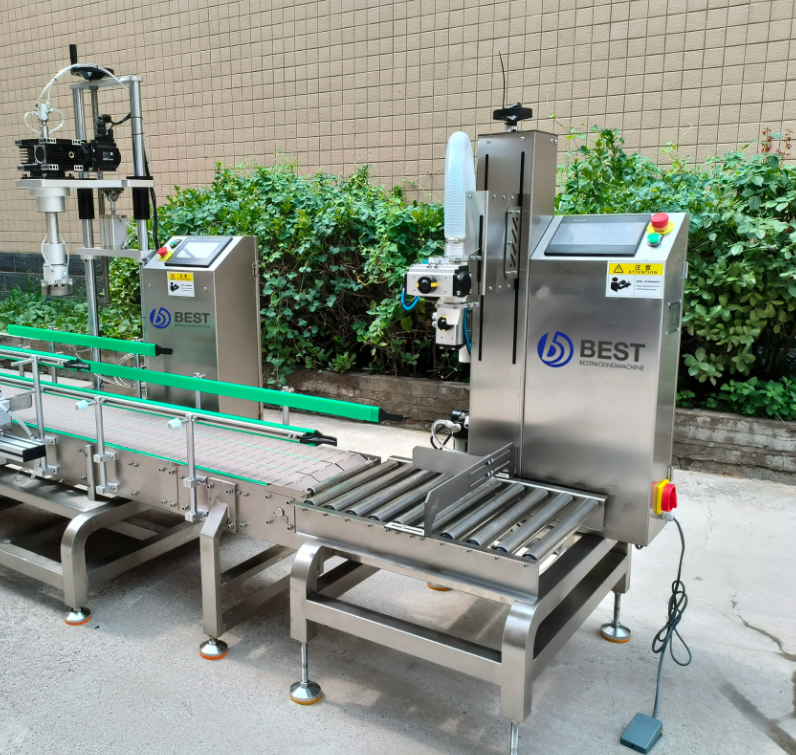
Sensor driven tracking keeps everything moving together
The magic behind continuous capping lies in smart sensing technology. An inline automatic high speed capping machine uses optical sensors placed along the conveyor to detect bottles as they approach. These sensors send signals to the control system, telling it exactly where each bottle is and how fast it is moving. The capping head then adjusts its motion to match the speed of the incoming container. This means the line does not have to stop or even slow down for caps to be applied. The machine simply reaches down, grabs the cap, and spins it on while the bottle keeps rolling. It is a ballet of perfectly timed movements that happens in milliseconds.
AC variable drives allow precise speed matching
Getting the speeds right requires fine control over the motors. Most modern inline automatic high speed capping machines are equipped with AC variable frequency drives. These drives let operators dial in the exact speed of the conveyor, the gripping belts, and the capping rollers separately. The conveyor speed and the gripping belt speed are synchronized so that they move at the same rate. This prevents bottles from bunching up or getting pulled apart. Meanwhile, the capping rollers might spin at a different speed to properly tighten the cap. The key is that all these motions are coordinated to happen without interrupting the flow of bottles down the line.
Belt based systems eliminate jerky stop and go motion
Older capping methods often used star wheels or indexing systems that physically stopped the bottle to put the cap on. While this works, it creates a bottleneck because the line has to pause for every single bottle. An inline automatic high speed capping machine that uses belts instead of discs can operate in continuous motion. The bottles are gently held between two belts that carry them forward at a steady pace. As they move, capping belts or rollers spin the cap onto the bottle. Because the belts are always moving, there is no stopping and starting. This smooth, nonstop action allows the machine to keep up with even the fastest filling lines.
Synchronization prevents cross threading and cap damage
You might wonder why synchronization matters so much for quality. When the cap meets the bottle at the wrong speed or angle, bad things happen. The threads can cross, ruining the cap and possibly the bottle. Or the cap can get scuffed up, making the product look cheap. Proper synchronization ensures that the cap is lowered onto the bottle threads gently and rotated at the exact speed needed to thread it on smoothly. The inline automatic high speed capping machine maintains this perfect alignment bottle after bottle, which reduces waste and keeps your product looking professional. This is especially critical for industries like cosmetics or pharmaceuticals where appearance and seal integrity are nonnegotiable.
Servo technology takes precision to the next level
For the highest level of control, some inline cappers use servo motors instead of standard AC drives. Servos provide extremely accurate positioning and speed control because they use feedback loops to constantly correct their movement. This means if the conveyor speed fluctuates slightly, the servo driven capping head can instantly adjust to compensate. The result is even more consistent torque values and fewer rejects. A servo driven inline automatic high speed capping machine can handle a wide range of cap sizes and bottle shapes while maintaining perfect synchronization. It is a smart investment for lines that run a mix of products or require very specific torque settings.