EN
EN

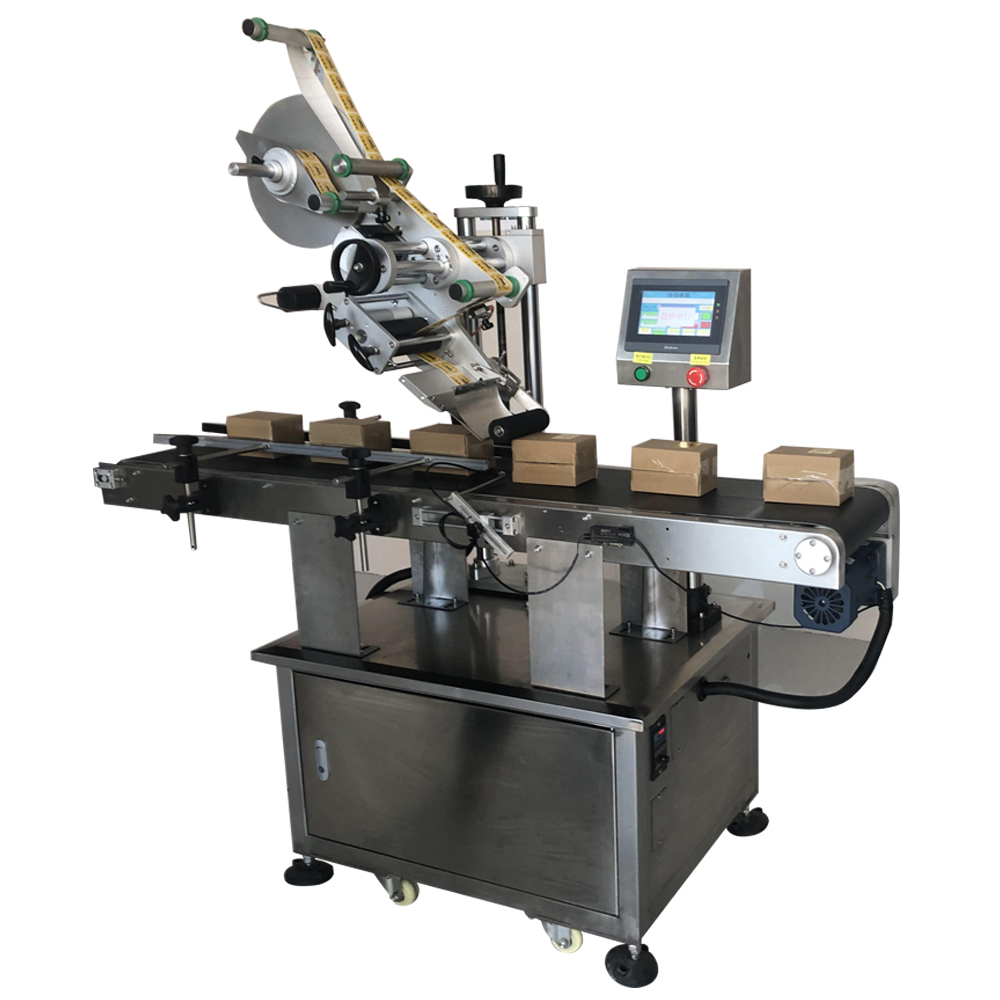
Boosted Production Efficiency with Automatic Top Label Applicators
Throughput Gains: 30 to 200+ Labels Per Minute
Switching from hand labeling to an automatic top label applicator can boost production rates dramatically, going from barely 20 labels per minute all the way up to 30 or even 200+ labels each minute. This makes a huge difference for operations where thousands of items need labeling every day. Plants handling around 15,000 units get back about half their labeling time when they automate. The machines keep working consistently throughout long shifts without getting tired like humans do, so there are no slow downs later in the day. When labeling happens at a steady pace, it lines up better with what comes before and after in the production line. This cuts down on inventory sitting around waiting to be processed and lets companies manufacture products just as they're needed. Pharmaceutical companies and makers of consumer goods especially benefit because they can handle sudden spikes in demand without missing delivery deadlines. Plus, they typically need far fewer workers for labeling tasks now, with some reporting savings of between 60% and 75% on labor costs alone.
Seamless Integration into Existing Lines (Conveyors, PLCs, MES)
Today's automatic top label applicators connect pretty quickly thanks to common industrial protocols such as OPC-UA and Ethernet/IP, working right alongside existing PLC systems and Manufacturing Execution Systems (MES). These machines fit into current conveyor setups without needing major mechanical changes, which cuts down on installation time significantly. When products switch out, real time sync lets operators tweak parameters on the fly. The MES connection keeps track of batch info and timestamps so companies can maintain complete records for audits and compliance requirements. Connecting to PLCs means everything stays under central control through those familiar HMI screens. Plus it gives manufacturers early warning signs when something might go wrong, plus they get better insights into how efficiently their equipment is actually running across different production lines.
Precision and Compliance Through Consistent Label Application
Sub-Millimeter Placement Accuracy Across Shifts and Batches
Top label applicators automatically place labels with an accuracy of about half a millimeter, no matter how long the production run or how many items need labeling. This eliminates the inconsistencies people bring into the process when dealing with thousands of products. The machines use servo motors and built-in cameras to adjust on the fly for containers that might be slightly taller or shorter than expected, which keeps everything precise even when running nonstop day after day. For industries where mistakes cost money, like pharma manufacturing, these reliable systems stop those costly labeling errors that lead to recalls costing around seven hundred forty thousand dollars according to a study from Ponemon back in 2023. Getting labels right not only protects brands from bad press but makes life easier further down the line too, especially when robots come in to stack boxes onto pallets.
Built-in Verification for FDA, GHS, and GS1 Barcode Standards
Camera systems integrated into production lines validate label content, positioning, and whether they can actually be scanned in real time against important regulations. These include requirements from the FDA's 21 CFR Part 211 regarding clear lot codes and expiration dates, proper sizing and colors for GHS hazard symbols, and GS1 barcode quality standards set by ISO/IEC 15416. Any labels that don't meet these standards get rejected while the production line is still running fast, often processing over 200 items each minute. The system works continuously to check everything, which means companies spend way less time preparing for audits maybe as much as 90% less according to some reports. This helps them stay ahead of new rules coming down the pipeline like the EU's Falsified Medicines Directive. When companies automate these compliance checks instead of relying on people to spot problems, they end up preventing most labeling issues that lead to product recalls roughly around 80% based on industry data.
Tangible ROI: Labor Savings and Rapid Payback with Automatic Top Label Applicators
60–75% Reduction in Manual Labeling Labor Costs
When companies automate their labeling processes, they no longer need staff members专门做手工贴标、视觉检查和错误修正这些工作,这样能节省大约六成到七成五的人工成本。除了直接省下工资支出外,自动化还能减少因标签贴错或模糊不清造成的浪费,在受监管的行业里这可是个大问题。以每天处理五千个单位的工厂为例,根据行业标准数据(原本是波兰尤罗提换算过来的),每年光人工费就能省超过三万七千五百美元。这对很多企业来说都是笔不小的数目。
Payback Achieved in <12 Months at Volumes >15,000 Units/Day
When factories hit around 15,000 units daily on the production line, most companies start seeing their investment pay off pretty quickly usually within a year or so. The main reasons? Machines just don't mess up applications nearly as much as humans do, which cuts down on all that costly rework. Plus, these systems run nonstop day after day without needing breaks, and operators don't need weeks of training to get them going. We've seen this happen time and again at various manufacturing plants across the country. Once they pass those volume thresholds regularly, the savings from reduced waste, faster processing times, and better workforce utilization start stacking up until the initial costs disappear completely from the bottom line.
FAQ
What are automatic top label applicators?
Automatic top label applicators are machines designed to apply labels on the top of products in a production line efficiently and accurately.
How do these machines integrate with existing systems?
They often use common industrial protocols such as OPC-UA and Ethernet/IP to integrate seamlessly with existing conveyor systems, PLCs, and Manufacturing Execution Systems (MES).
What are the benefits of using automatic top label applicators?
Some benefits include increased production speed, reduced labor costs, precise labeling, and improved compliance with standards such as FDA, GHS, and GS1.
How quickly can companies see a return on investment?
Many companies report achieving payback within 12 months, especially when production volumes exceed 15,000 units per day.