EN
EN

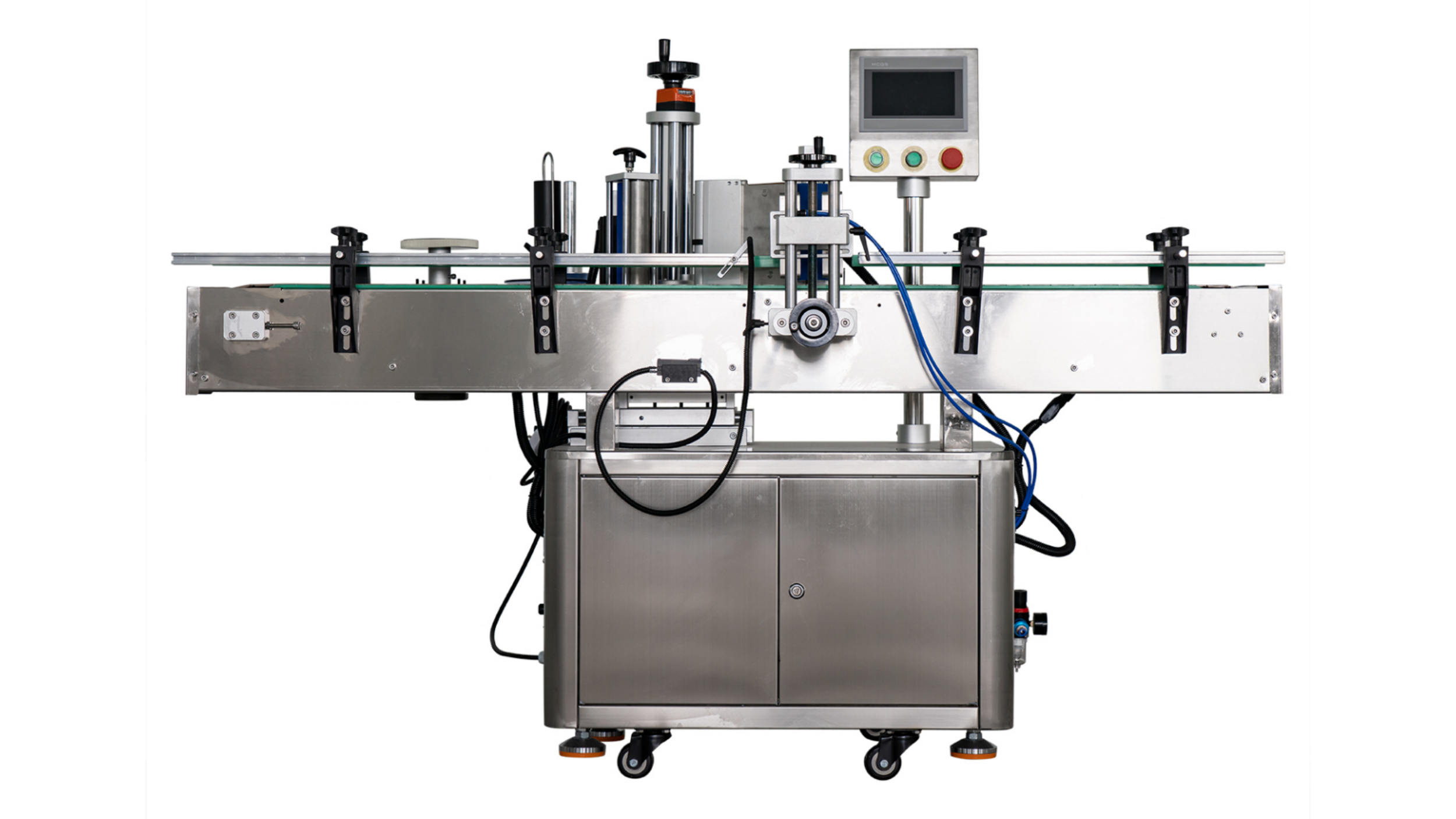
How Wrap-Around Labeling Technology Maximizes Throughput for Cylindrical Bottles
Performance comparison: Wrap-around vs. front-and-back labeling on high-speed lines
When it comes to labeling at speed, wrap around labeling beats traditional front and back approaches hands down. The process works by placing labels continuously while bottles spin, which gets rid of those annoying double stops needed with front/back systems. What does this mean practically? Speeds can hit over 200 bottles per minute with pretty tight tolerances around half a millimeter. That kind of precision really matters for things like cosmetic tubes and drink bottles that need straight, neat labels. Looking at real world data from manufacturers, companies switching to wrap around see about 70% fewer alignment problems because the rotation stays so consistent throughout. No more worrying about edges peeling up or seams getting messed up during application. There's also these specialized machines now that keep bottles perfectly aligned even when moving fast between stations. Some major benefits here include...
- 40% higher throughput from uninterrupted motion
- 30% less label waste due to precision application
- Compatibility with variable bottle curvatures (50–150mm diameters)
Real-world throughput gains—beverage and pharma case benchmarks
Facilities that produce beverages have seen their output go up about 22% when they switch from traditional front and back labeling to wrap around systems. Take one juice company for instance they hit 18,000 bottles per hour without any label jams at all something that used to cost them around $740 thousand each year in lost time and extra labor according to a study by Ponemon Institute last year. When it comes to making medicines, wrap around labels really shine too. The inspection pass rate jumps from just 92% with old style labels to nearly perfect 99.8% because the seams stay put and there's less shifting during application. This matters a lot in clean rooms where mistakes can be costly. The FDA audits show this cuts compliance problems by about two thirds. Changing formats for different sized bottles is another big plus. With servo driven adjustments, format changes happen in under five minutes compared to over forty five minutes needed for old mechanical setups. This saves time and contributes to roughly 15% better overall line usage across plants that were studied.
Seamless Integration of the Automatic Cylindrical Bottle Positioning Labeling Machine into Existing Lines
PLC synchronization, I/O handshaking, and HMI interoperability best practices
Getting the automatic cylindrical bottle positioning labeling machine up and running requires careful coordination of control systems. The PLC has to be perfectly synchronized so the labeling unit works exactly when needed with both the upstream filler and downstream capper units. This keeps everything moving at the same pace and stops those frustrating situations where parts get backed up or run out completely. When it comes to I/O handshaking, we're talking about using simple digital signals to check if tasks are done right before moving on. Does the bottle actually show up? Is it locked in place properly? Has the label peeled off correctly? Only after these checks pass does the machine proceed, which really helps cut down on those pesky mislabeled bottles and jammed lines. Most folks in the business recommend OPC UA for HMI interoperability because it lets different machines talk securely even if they come from various manufacturers. Standardizing alarm codes makes life easier too. And when plants embed auto-parameter recall features, maintenance teams save around 30 minutes per shift during product changeovers. All these little improvements add up to less downtime overall and better equipment performance metrics thanks to that real time monitoring capability.
Enabling Agile Production: Quick Changeovers and Minimal Downtime Across Bottle Sizes
Modular tooling, servo-driven adjustments, and auto-parameter recall for rapid format change
With modular tooling, there's no need for all that mechanical reconfiguration work anymore. Just swap out the guides, mandrels, and applicator heads - they fit right in place within about 90 seconds flat. The servo driven actuators take over next, adjusting positions down to within 0.1mm accuracy. This keeps labels spot on across different sizes from 50mm right up to 150mm without needing any recalibration at all. When switching products, the system automatically recalls validated parameters stored in central databases. Think conveyor acceleration settings, peel plate angles, torque limits for every single SKU. According to a recent Packaging World survey looking at 47 contract packaging operations in 2023, these integrated systems cut changeover times by around 70% compared to old fashioned manual setups. That means going from small pharma vials to those big 1 liter beverage bottles takes less than 15 minutes now. For facilities dealing with 10 or more product formats each day, this translates into roughly 95% overall efficiency improvements. Not because machines run faster, but simply because downtime gets slashed so dramatically during production transitions.
FAQ
-
What is wrap-around labeling technology?
This technology involves continuously applying labels to spinning bottles, eliminating double stops required in front/back systems, resulting in higher speeds and precision labeling. -
How does wrap-around labeling improve throughput?
By providing uninterrupted motion and precise application, wrap-around labeling can increase throughput by 40% and reduce label waste by 30%. -
Why is wrap-around labeling preferred for cylindrical bottles?
This method maintains consistent rotation and alignment, reducing alignment problems by 70%, and ensuring neat, straight labels, ideal for cosmetic tubes and drink bottles. -
What advantages does the automatic cylindrical bottle positioning labeling machine offer?
The machine enables seamless integration into existing lines with PLC synchronization, I/O handshaking, and HMI interoperability, reducing downtime and improving equipment performance metrics. -
How does modular tooling enhance production agility?
Modular tooling allows rapid format changes without mechanical reconfiguration, with servo-driven actuators providing precise adjustments, minimizing downtime during production transitions.