EN
EN

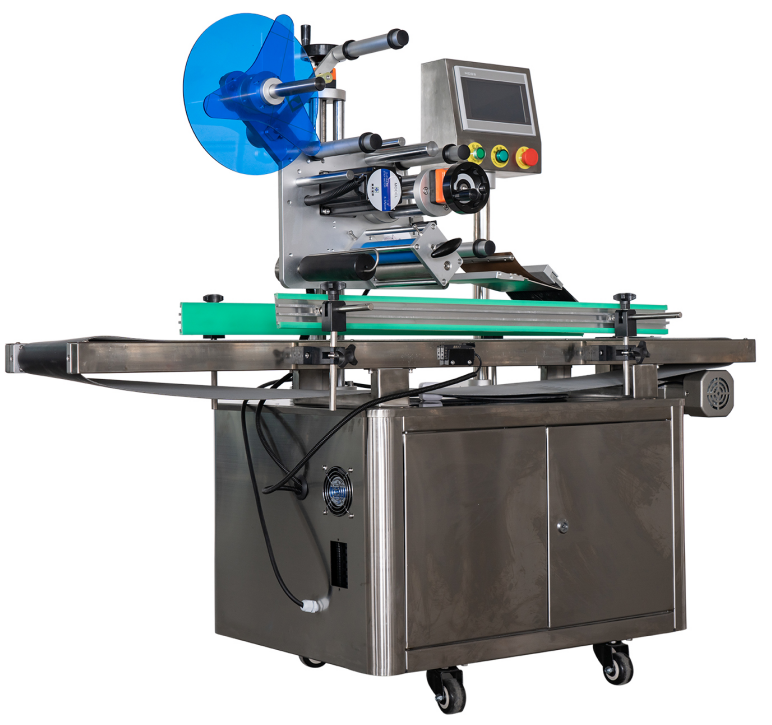
How Bottle Shape Affects Performance in Automatic Top Label Applicators
Round vs. Square Bottles: Stability and Rotation During Labeling
Most automatic top label applicators work best with round bottles since they spin evenly and smoothly. The circular shape helps keep everything aligned properly as the machine runs. When labels get applied this way, there's much less chance of mistakes happening. Some studies show round bottles can cut down on alignment problems almost three quarters compared to boxes shaped containers. Square bottles are another story though. They just don't play nice at speed because those flat edges cause all sorts of issues. The applicator head keeps losing contact with the bottle surface, creating gaps that mess up the labeling process. That's why many manufacturers end up installing extra stabilizing devices just to get decent results from square containers in automated lines.
Challenges with Oval, Rectangular, and Irregular Shapes
Bottle shapes that aren't round, like ovals, rectangles, or anything else that breaks from cylindrical norms create several problems when it comes to automatic labeling. First off, the surface just doesn't make even contact with those roller mechanisms. Then there's this whole thing about varying centrifugal forces as they spin around. And let's not forget about labels getting all wrinkled up, particularly at those sharp corners where the shape changes direction. When manufacturers start playing with tapered or curved bottle designs, things get even trickier. They need really sophisticated gripper systems just to keep everything aligned properly. A recent study from the packaging industry back in 2023 showed something pretty telling. These weird shaped bottles take about 40% longer to set up on production lines than regular round ones. That extra time eats into productivity across the entire manufacturing process.
Solutions for Centering and Alignment Using Servo-Driven Adjustments
When dealing with those tricky bottle shapes, today's labeling equipment actually uses these tiny servo adjustments that tweak pressure settings over 500 times every single minute. The system can handle differences down to just half a millimeter, which makes all the difference when applying labels to curved surfaces like those fancy hourglass shaped perfume bottles we see everywhere nowadays. Factory floor reports from major producers indicate these smart servo systems cut down on label misalignments by nearly nine out of ten cases during production runs where different container types are being processed together at once.
Balancing High-Speed Operation with Complex Geometries
Servo enhanced systems are capable of running at impressive speeds, sometimes reaching around 600 containers per minute. But things get tricky when dealing with really odd shaped items. The speed usually takes a hit somewhere between 15% and 30% drop off in these situations. Getting good results really comes down to how flexible the machinery is and whether the shapes being processed follow consistent patterns. Take those slimmer wine bottles as a case study. When their neck diameters stay pretty close to what's specified, about plus or minus 2%, they can hit nearly 98% accuracy while moving at 400 revolutions per minute. This just goes to show why having standardized designs matters so much in production environments where precision counts.
Key Bottle Size Requirements for Compatibility with Automatic Top Labelers
Diameter Thresholds: Minimum and Maximum Limits for Reliable Labeling
Top label applicators work most effectively when applied to bottles measuring between roughly 1.5 inches (38 mm) and 4 inches (102 mm) across. When dealing with smaller bottles under 1.5 inches, vacuum grippers often struggle to maintain their hold, which causes labels to slip off during application. Industry research indicates this problem results in about 72% more labeling errors compared to standard sized bottles. At the other extreme, very large diameter bottles create issues too, especially when trying to wrap labels around those curved plastic containers we see so much these days. Keeping bottle sizes within this sweet spot helps ensure consistent performance throughout the labeling process from initial grip to final placement.
Height Considerations for Consistent Top Label Placement
The ideal bottle height range for proper sensor registration and stable handling is generally somewhere between 3 inches (about 76 mm) and 12 inches (roughly 305 mm). Bottles taller than 12 inches might need special guide rails installed to stop them from tipping over during processing. Shorter containers below the 3 inch mark typically require some kind of shimming or adjustment to maintain that vertical stability we all want. When dealing with multiple products on the same line, equipment featuring pre-set memory settings for different heights can cut down changeover times by around 40 percent. This makes switching between product sizes much faster in day to day operations while still keeping things accurate enough for most manufacturing needs.
Data Insight: Why 92% of Top-Labeling Failures Occur on Bottles Under 1.5 Inches in Diameter
According to a recent 2023 packaging efficiency study, most labeling problems on those tiny bottles under 1.5 inches come down to just two main issues. First, there's simply not enough surface area for vacuum grippers to work properly, which needs at least half an inch squared of space. Second, these little bottles are super sensitive to how fast they spin during the process, needing only a 5% margin of error compared to the usual 15% for bigger bottles. Because of these challenges, full automation doesn't really work well for small format products such as perfume samples or miniatures. Instead, many manufacturers still rely on semi-automatic machines that can handle around 15 to 20 units every minute. While this means slower production speeds, it remains the most realistic option given current technology constraints in the industry.
Material and Surface Properties That Influence Label Adhesion and Transfer
Comparing Plastic, Glass, and Metal Surfaces in Automatic Label Applicators
What kind of container we're dealing with makes all the difference when it comes to how well labels stick in automated systems. Take plastics like PET and HDPE for example these materials have pretty low surface energy around 28 to 35 dynes per cm which means manufacturers need to go for stronger adhesives just to keep labels from peeling off, particularly on those tricky textured surfaces like frosted finishes that create extra challenges. Glass containers tell a different story altogether since they boast much higher surface energy approximately 75 dynes per cm making them great candidates for strong label bonds. However there's a catch glass can become problematic when moisture or leftover lubricants get into the mix during fast paced production runs leading to annoying label slippage issues. Metal containers including aluminum with surface energies ranging from 45 to 55 dynes per cm offer decent adhesion properties overall but curved surfaces often demand special attention with specific adhesive formulations to prevent those pesky edge lifting problems. And let's not forget the numbers either mismatched combinations between materials and adhesives are responsible for nearly 37 percent of labeling failures across the beverage packaging industry according to recent data from Packaging Insights published last year.
Impact of Curvature, Texture, and Surface Energy on Label Accuracy
When it comes to successful labeling, there are basically three things that matter most: how curved the bottle is, what kind of texture it has, and its surface energy level. Bottles where the radius varies more than about 10% need special handling with controlled tension during application to avoid those annoying wrinkles. Surfaces that are rough or have embossing patterns tend to cut down on how well the label sticks by around half sometimes, which means foam backed labels become necessary just to fill those little gaps between the label and substrate. For materials like polypropylene that sit under 36 dynes per centimeter surface energy mark, extra steps like plasma treatment or applying primer before labeling becomes pretty much mandatory if we want good stickiness, especially when humidity levels rise. The newer equipment out there actually measures surface energy while running and adjusts both heat and pressure accordingly, resulting in roughly 19 percent less wasted material versus older machines that use fixed settings regardless of actual conditions.
Optimizing Bottle Design for High-Speed Automatic Top Label Application
Standardized Dimensions That Maximize Throughput and Efficiency
Bottles that are cylindrical shaped and measure anywhere from 1.5 inches to 4 inches across tend to hit around 98 percent accuracy right off the bat when running through automatic top labelers, according to figures released by PMMI back in 2023. These dimensions have basically become what most manufacturers look at as their gold standard for getting things done fast in bulk production environments. The reason? Bottles within this range work really well with vacuum grippers and don't need constant adjustments while moving quickly along conveyor belts. Modern labeling systems equipped with servos can adjust both pressure and angle automatically based on preset diameter parameters, which means plants can process over 300 bottles each minute without sacrificing quality standards. Plants that stick to one container size typically see about 92 fewer labeling mistakes than those dealing with all sorts of different bottle sizes mixed together. When looking at what makes these bottles so effective, there are several important design elements worth noting: shoulders should slope at angles between 15 and 25 degrees, surfaces need to maintain consistent curves within plus or minus 0.02 inch tolerances, and tops must be flat enough with at least quarter inch width to ensure proper picking and placing by robotic arms.
Custom Machine Adjustments for Non-Standard Bottle Shapes
When dealing with oval or square shaped bottles, manufacturers often turn to adaptive roller guides along with adjustable PLC settings to handle those tricky shape differences. The latest technology keeps around 30 to 50 percent of top speed even on curved containers thanks to some pretty smart innovations. We're talking about dual axis vision systems that actually map out the bottle's surface while it moves, applicator heads that can retract and tilt up to plus or minus 15 degrees, plus special adhesives that only stick when they make complete contact with the surface. Get everything calibrated right before production starts and most plants can hit placement accuracy down to half a millimeter. Flexibility has gotten much better too with modular tooling options and formats that can be changed on the fly. Take one company making automotive fluids for instance they cut their changeover time by nearly three quarters just by switching to reconfigurable dispensers and components that snap in and out quickly according to last year's Automation Tech Report findings.
Label Placement Precision Across Different Bottle Types and Branding Needs
Centering Labels on Symmetrical vs. Asymmetrical Containers
Cylindrical bottles that are symmetrical work really well with automatic top label applicators since they can stay aligned within about half a millimeter using regular gripper systems. Their predictable rotation makes this possible without much trouble. Things get trickier when dealing with asymmetrical containers though. Think about those hexagonal perfume bottles or the curved beverage jars designed for comfort. These shapes need special technology to get labels right. Newer machines have these servo-driven arms that adjust on the fly to handle all sorts of odd shapes. According to recent tests from Labemachine in 2024, these systems hit around 97% accuracy on the first try even for complicated forms. Oval and rectangular bottles present their own challenges too. Most modern equipment now includes dual axis centering mechanisms that steady the container just before applying the label. This helps avoid those frustrating skewed labels and keeps the branding looking consistent across products.
Top-Center vs. Off-Center Labeling: Functional and Branding Trade-offs
Most consumer goods still go with top center labels because scanners read them better and people can actually see what they're buying. But lately we've noticed craft brewers and upscale brands starting to play around with off center or slanted labels that grab attention on store shelves. According to a recent packaging report from last year, these kinds of designs really stand out visually about 41% more than traditional ones. The downside? There's roughly 18% greater chance something gets applied wrong. That's where those fancy high precision applicators come into play. They use lasers to position things within half a millimeter accuracy according to Pro Motion's findings in their 2024 research, so companies don't have to choose between looking good and working right. When it comes to FDA approved items though, keeping labels centered matters a lot. Nearly 92% of all labeling mistakes linked to compliance issues happen when labels drift even slightly beyond 1.2 mm from center, which explains why manufacturers in regulated industries stick so closely to exact placement specs.
FAQ
What bottle shapes work best with automatic top label applicators?
Round bottles are ideal as they spin evenly and smoothly, ensuring proper alignment and reducing mistakes. Non-round shapes like square, oval, and rectangular bottles present challenges due to uneven surface contact and varying centrifugal forces.
Why do smaller bottles have higher labeling error rates?
Bottles under 1.5 inches in diameter often lack sufficient surface area for vacuum grippers to secure the label properly. They also require tighter spin tolerance, leading to increased errors during high-speed labeling.
How does bottle material affect label adhesion?
Materials like plastic, glass, and metal have different surface energies, which influence label adhesion. Low surface energy materials like certain plastics need stronger adhesives, while high surface energy materials like glass provide better adhesion.
What are the benefits of standardized bottle dimensions?
Standardized dimensions, particularly cylindrical bottles measuring 1.5 to 4 inches across, maximize throughput and efficiency. They are easier to handle and align, reducing labeling mistakes significantly.
Table of Contents
- How Bottle Shape Affects Performance in Automatic Top Label Applicators
- Key Bottle Size Requirements for Compatibility with Automatic Top Labelers
- Material and Surface Properties That Influence Label Adhesion and Transfer
- Optimizing Bottle Design for High-Speed Automatic Top Label Application
- Label Placement Precision Across Different Bottle Types and Branding Needs
- FAQ