EN
EN

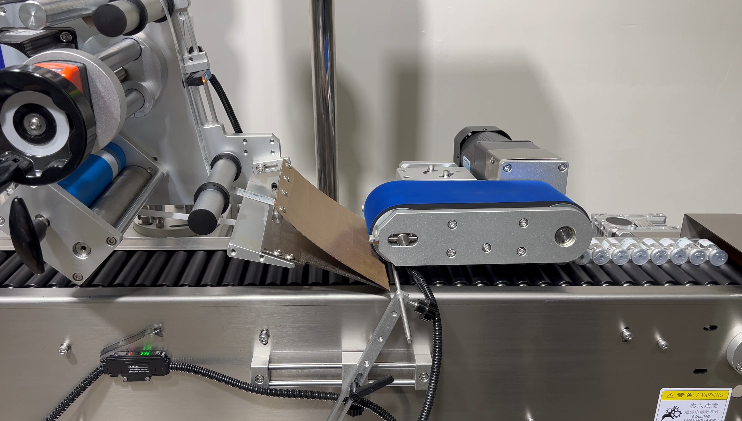
Understanding the Horizontal Automatic Round Bottle Labeler and Fragile Bottle Challenges
What defines a horizontal automatic round bottle labeler?
Horizontal automatic round bottle labelers use precision rollers, servo-driven conveyors, and photoelectric sensors to apply labels to cylindrical containers. Unlike vertical systems, these machines orient bottles horizontally, enabling consistent 360° label placement. Key components include adaptive tension controls for label dispensing and soft-grip guides that minimize lateral pressure during rotation.
Common fragile bottle types in pharmaceutical and cosmetic industries
Glass ampoules with thin walls ranging from 1 to 5 ml, along with borosilicate vials used for injections and those fancy perfume flasks we see on display, make up some of the most fragile packaging around. Cosmetics manufacturers often work with really delicate stuff like serum droppers and those special airless pump bottles that have walls thinner than 1.5 mm. When it comes to vaccines in pharmacies, getting labels just right matters a lot. They need to be placed within about 0.3 mm accuracy so important info about dosage amounts and product identification stays visible and clear for everyone who needs it.
Key challenges in labeling thin-walled and irregularly shaped glass containers
When it comes to labeling products with unusual shapes like those slimmer perfume bottles that taper at the top or those hexagonal serum jars, getting labels to stick properly becomes quite challenging. Glass containers with thin walls below 1mm thickness often crack when subjected to standard roller pressure which typically goes beyond around 2.5 Newtons. According to recent research published last year in packaging journals, nearly two thirds of all broken glass incidents happen specifically on curved or concave areas during labeling processes. Fortunately, newer sensor equipped systems are making real improvements here. These advanced machines adjust their applicator heads on the fly with incredible accuracy down to about 0.1 millimeters, which has led to much better production yields across the board for manufacturers dealing with these tricky container designs.
Risks of Damage During Labeling: Mechanical Pressure, Vibration, and Misalignment
Impact of Mechanical Pressure in Conveyor-Based Bottle Handling Systems
In normal running conditions, horizontal automatic round bottle labelers apply between roughly 2.3 to 4.1 Newtons per square centimeter of mechanical pressure during operation. When dealing with those delicate pharmaceutical vials that have glass walls thinner than 1.2 millimeters, this kind of pressure often leads to stress buildup right where rollers make contact, making micro fractures much more likely to occur. To address these issues, many modern systems now incorporate special low friction polyurethane conveyor belts that measure around 0.08 to 0.12 mu coefficient of friction. Alongside these, manufacturers also install pressure controlled roller arms capable of precise positioning down to about 0.1 mm accuracy. These two improvements work hand in hand to minimize the actual force applied directly onto fragile containers throughout the labeling process.
Vibration and Misalignment Issues in High-Speed Automatic Round Bottle Labeling Machines
When production lines hit over 300 bottles per minute, cosmetic perfume flacons tend to drift out of position by at least 1.5 millimeters in standard equipment. The result? Edge contact during labeling causes problems in about one third of all cases, while containers bumping into each other accounts for nearly 20% of broken bottles. Installing gyroscopic stabilizers cuts down on vibrations by around 40%, which means better alignment across the line and fewer damaged products overall. Many manufacturers have seen these benefits firsthand after making the switch to stabilized systems.
Breakage Statistics: Insights from 2022 Packaging Line Audits (3.7% Reduction with Sensor Integration)
| Breakage Cause | Pre-Sensor Rate | Post-Sensor Rate |
|---|---|---|
| Conveyor pinch points | 2.1% | 0.9% |
| Label head collisions | 1.8% | 0.4% |
| Inter-bottle impacts | 1.3% | 0.7% |
| Data from 127 pharmaceutical lines reveal a 3.7% overall reduction in breakage after integrating photoelectric sensors. These sensors detect sub-millimeter variations in bottle position and enable real-time adjustments to conveyor speed and labeling timing, minimizing physical contact and impact forces. |
Sensor-Driven Automation for Gentle Handling of Fragile Bottles
Automatic round bottle labelers work horizontally and rely on sensors to keep those delicate pharmaceutical and cosmetic bottles safe during labeling. The photoelectric and proximity sensors basically act like the machine's eyes, spotting when bottles are there and where they need to be positioned, accurate within half a millimeter either way. What this means is that the system catches problems early on, so labels don't get misplaced and the machinery doesn't put too much stress on the containers before actually touching them. With closed loop feedback controls, the whole process gets smarter over time. These systems look at things like how curved each container is and how tight the label needs to be, then makes adjustments to the pressure rollers and changes conveyor speed accordingly. This matters a lot for oddly shaped vials that tend to crack if pressure isn't applied evenly across their surface.
Soft start motors really help with handling because they slowly reach operating speed rather than just throwing full power at things. A study from Packaging Digest back in 2023 found that these motors cut down on tiny cracks in those delicate wall bottles by about 34% when machines first turn on. The combination works pretty well too. Modern labeling equipment has sensors that can tell what's happening, controls that adjust themselves as needed, and acceleration that doesn't jerk containers around. This means factories can keep production moving fast while still making sure the packages stay intact throughout the whole process.
Roller and Conveyor Innovations for Stabilizing Fragile Containers
Adjustable Low-Friction Polymer Rollers Preventing Lateral Displacement
The latest labelers now use polymer rollers designed with adjustable friction levels between 0.05 and 0.15 mu units. These allow them to grab bottles securely regardless of size, working well on everything from small 20mm containers up to larger ones at 150mm without putting stress on delicate glass surfaces. Special spring loaded arms help adjust the space between rollers when dealing with odd shaped bottles. This keeps good contact with the product while cutting down on surface pressure by around 40 something percent compared to older fixed rubber roller systems. As a result, these machines significantly cut down on those tiny cracks that often form when labels are applied with too much sideways force.
Servo-Driven and Modular Conveyors Enabling Precise, Gentle Bottle Movement
With servo controlled conveyors, positioning accuracy reaches around plus or minus 0.2 millimeters, which keeps bottles moving in sync with the labeling heads without any misalignment issues. The modular design makes it possible to set up different speed zones along the line. Containers slow down to between half and two meters per minute when passing through the labeling area, then get accelerated again at a gentle rate of no more than three meters per second squared further down the line. According to recent research from 2023 on material handling, this kind of system cuts glass breakage incidents by approximately 28 percent over traditional rigid conveyor setups. The reason? Those segmented belt sections actually work to soak up vibrations and minimize sudden impacts that would otherwise stress fragile glass containers.
Emerging Vacuum-Assisted Stabilization in Horizontal Labeling Setups
Modern labeling equipment is starting to include these tiny vacuum pads that create around 30 to 50 kPa of suction power, working right next to the regular rollers we've used for years. The system turns these vacuum pads on just when applying labels, which holds the bottles steady without actually squeezing them mechanically. This works great for those odd-shaped perfume bottles that tend to wobble during normal processes. Some companies who tried this new tech saw their label placement accuracy hit nearly 97% on light cosmetic containers weighing under 50 grams, beating old friction methods by almost 20 percentage points. When dealing with super delicate stuff like lab ampoules, the vacuum system completely removes any need for roller contact, so there's no risk of damaging these fragile glass containers during production runs.
Optimizing Machine Settings and Maintenance for High-Performance Fragile Bottle Labeling
Step-by-step calibration of pressure, speed, and roller gap for delicate containers
Getting the best results starts with good calibration work. For those thin walled vials, bring down the conveyor pressure somewhere between 0.3 and 0.5 psi. The labeling heads should run around 60 to 80 percent of their top speed to keep dynamic loads under control. And don't forget about those roller gaps - they need to stay within 1.5 to 2 mm range, which means grabbing some laser guided tools for precision. All these tweaks help get the adhesive just right without squishing anything during the process. This attention to detail makes all the difference when dealing with delicate containers, cutting down on wasted materials while boosting overall production efficiency across the board.
Best practices for impact-free bottle positioning in automatic labellers
Non-slip silicone conveyors combined with photoelectric sensors create controlled buffer zones between bottles, preventing collisions during transfer. Retrofitting existing machines with adaptive braking systems has been shown to reduce positional errors by 41% in cosmetic bottle labeling, according to a 2023 industry study.
Predictive maintenance to sustain consistent fragile bottle handling performance
Implement vibration analysis tools to monitor bearing wear in real time, triggering automated alerts before component failure. Following recommended care protocols—including biweekly cleaning of adhesive residues and monthly recalibration of tension springs—extends machine lifespan by 200–300 operational hours, ensuring long-term reliability and consistent handling of fragile containers.
FAQ
What is a horizontal automatic round bottle labeler used for?
Horizontal automatic round bottle labelers are used for applying labels to cylindrical containers with precision, ensuring consistent label placement for products like pharmaceuticals and cosmetics.
Why are some bottles considered fragile in the pharmaceutical and cosmetic industries?
Bottles are considered fragile due to their thin glass walls and irregular shapes, such as glass ampoules and borosilicate vials for injections, making them prone to damage during labeling processes.
What are the risks of using high pressure in labeling fragile bottles?
High mechanical pressure can cause stress buildup, leading to micro fractures, especially in thin-walled vials, increasing the likelihood of bottle breakage.
How do sensor-driven automation systems assist in fragile bottle labeling?
These systems use sensors to detect bottle positioning and adjust label placement in real-time, minimizing stress and reducing the risk of breakage.
What innovations in conveyors help stabilize fragile containers?
Innovations like servo-driven conveyors and vacuum-assisted stabilization create more precise and gentle handling, reducing misalignment and breakage during the labeling process.
Table of Contents
- Understanding the Horizontal Automatic Round Bottle Labeler and Fragile Bottle Challenges
- Risks of Damage During Labeling: Mechanical Pressure, Vibration, and Misalignment
- Sensor-Driven Automation for Gentle Handling of Fragile Bottles
- Roller and Conveyor Innovations for Stabilizing Fragile Containers
- Optimizing Machine Settings and Maintenance for High-Performance Fragile Bottle Labeling
-
FAQ
- What is a horizontal automatic round bottle labeler used for?
- Why are some bottles considered fragile in the pharmaceutical and cosmetic industries?
- What are the risks of using high pressure in labeling fragile bottles?
- How do sensor-driven automation systems assist in fragile bottle labeling?
- What innovations in conveyors help stabilize fragile containers?