Most labeling machine purchases that go wrong don't go wrong on price. They go wrong on sequence — buyers compare models and quotes first, and only think about their own production line last. The right order is three steps: define your requirement, count the hidden costs, then trial-test the machine under extreme conditions.
Pitfall 1: The speed trap. A brochure figure of "300 bottles/min" is a lab number: ideal bottle, standard label, no changeover, no rejects. Real effective output is typically only 60–70% of that. Pull your production data from the last three months, calculate the daily average, then isolate the single-hour peak — that is what the machine is actually measured against. Allow for growth over the next three years and set your target range at 1.3–1.5× peak. When comparing suppliers, apply a flat 30% discount to every quoted speed before you rank them; several "high-speed" models will fall out of the running immediately.
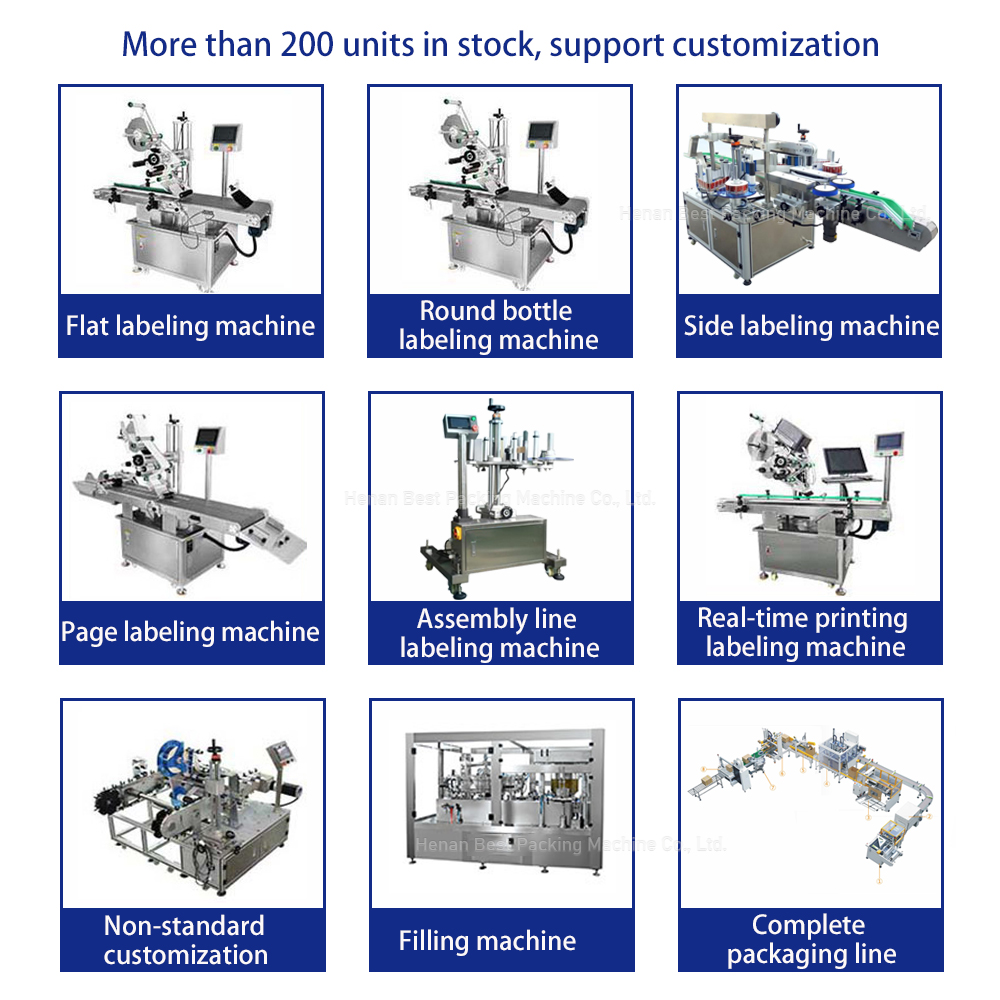
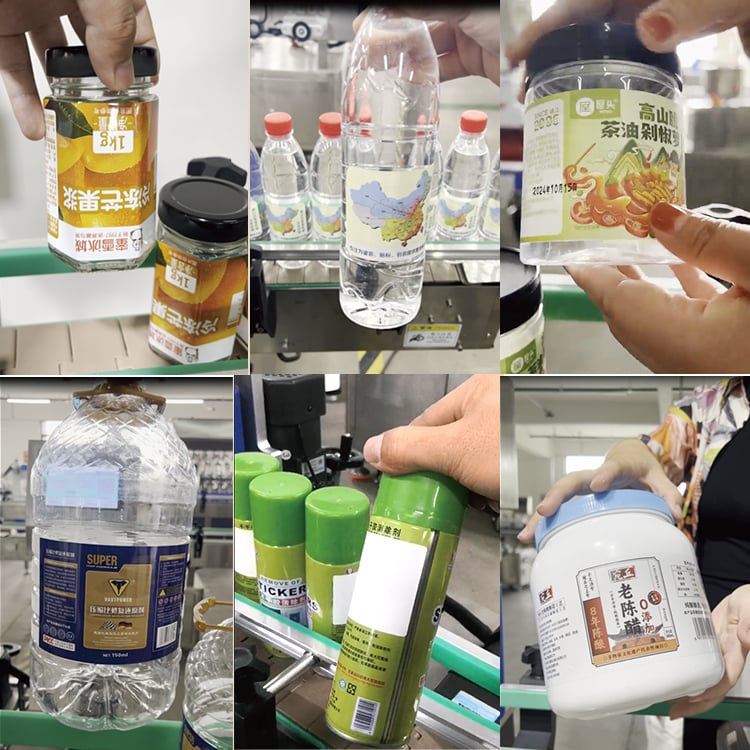
Pitfall 2: Wrong machine type. Round bottles, flat bottles (two-sided), cartons (flat surface), paging, corner/seal labeling and sleeve labeling are different machine types with different mechanical structures. No single unit covers all of them. Tapered and irregular bottles usually cannot be handled by a standard machine at all and require a custom build.
Pitfall 3: Sold by "multi-function". Every added function is another failure point, another maintenance item, another training session. Sort your needs into three tiers: Core (cannot ship without it) / Nice-to-have / Future option. Pay only for Core, and make Core the acceptance criteria written into the contract. For future options, keep the interface — don't buy the module.
Pitfall 4: Label material determines the dispensing method. Don't choose the machine and then look for a label that fits it. Peel-plate dispensing suits standard coated paper and PET; air-blow suits thin or soft labels and uneven surfaces; vacuum tamp suits transparent and large-format labels. Send your actual label samples with the bottle, and let the supplier derive the configuration from them.
Pitfall 5: Changeover time. If the line runs more than three bottle formats, changeover is a hidden capacity drain. Ask three questions: how long does changeover take, are change parts required, and what does each set cost? A cheap quote with $200 change parts, changed ten times a year, is no longer cheap.
Pitfall 6: Site conditions. Confirm air supply stability, machine orientation (left-to-right or right-to-left infeed), conveyor height matching, and infeed method. Beyond a certain output, manual bottle loading — not labeling — becomes the bottleneck, and you will need an air-suction or friction paging machine.
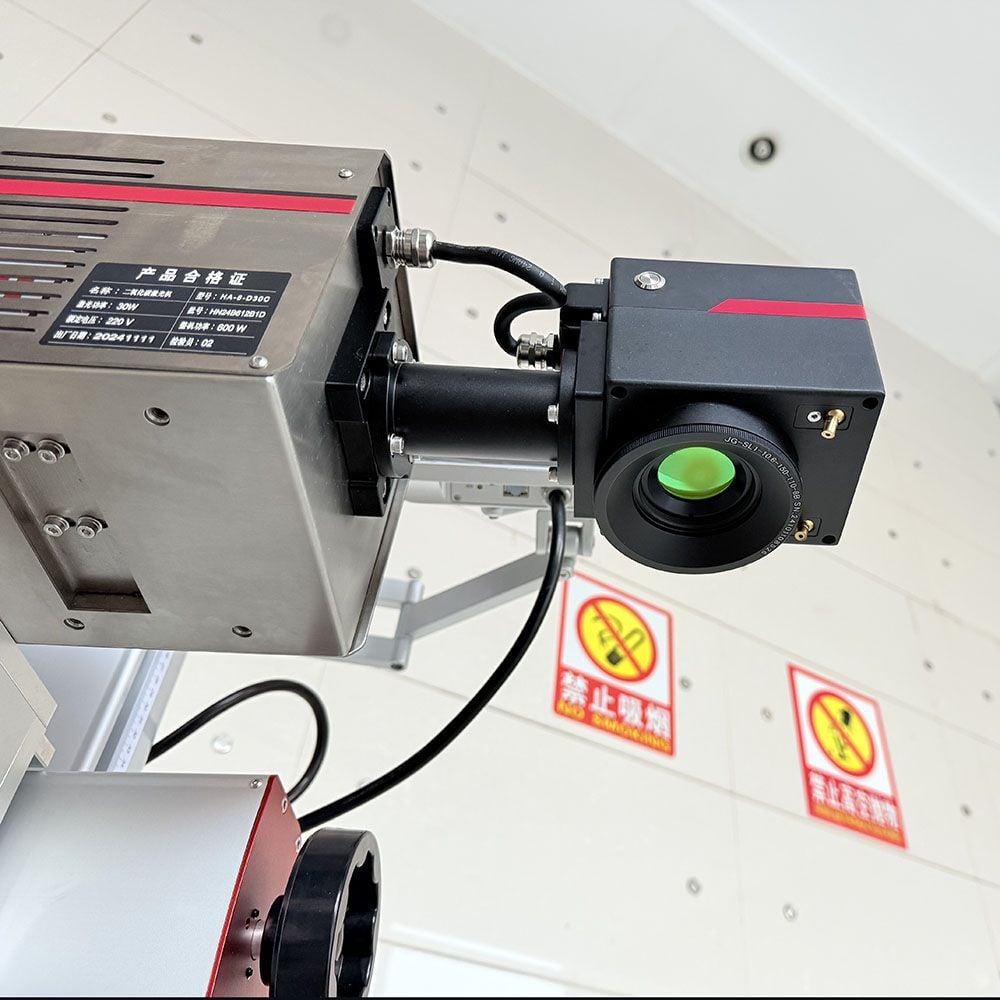
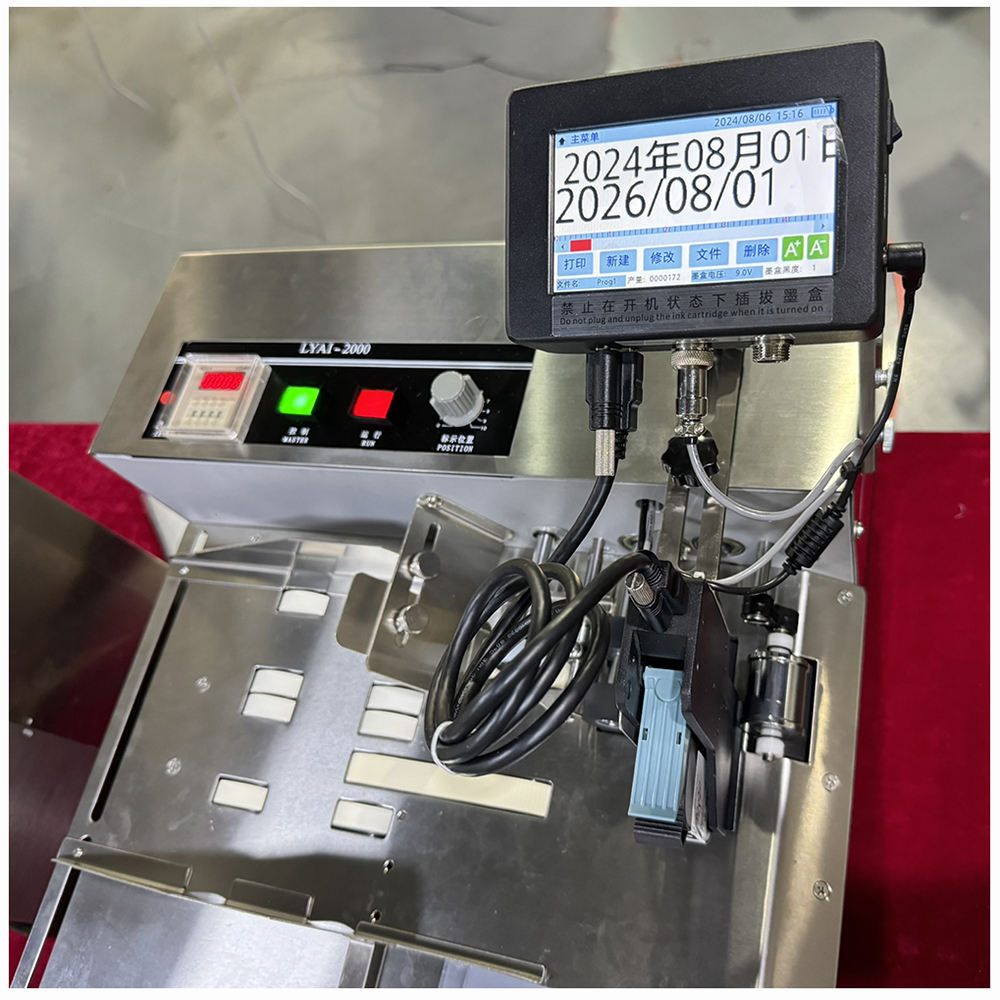
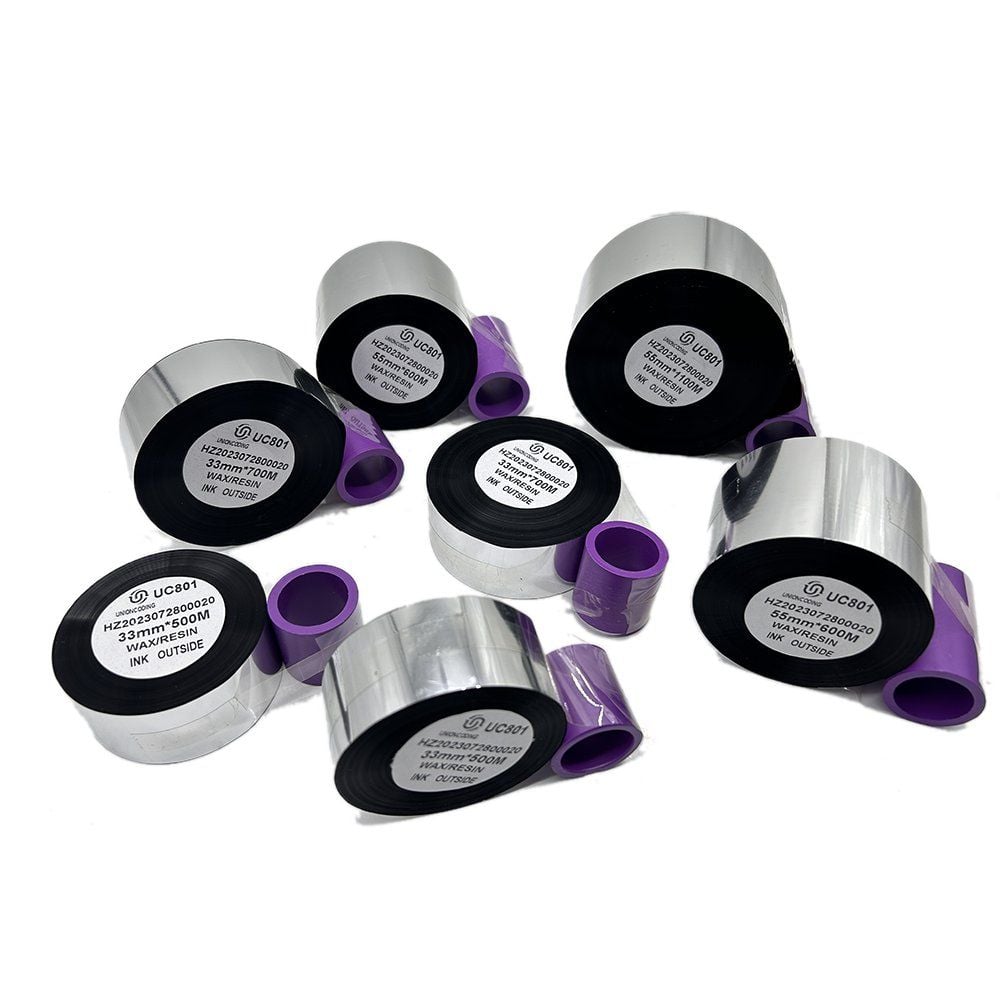
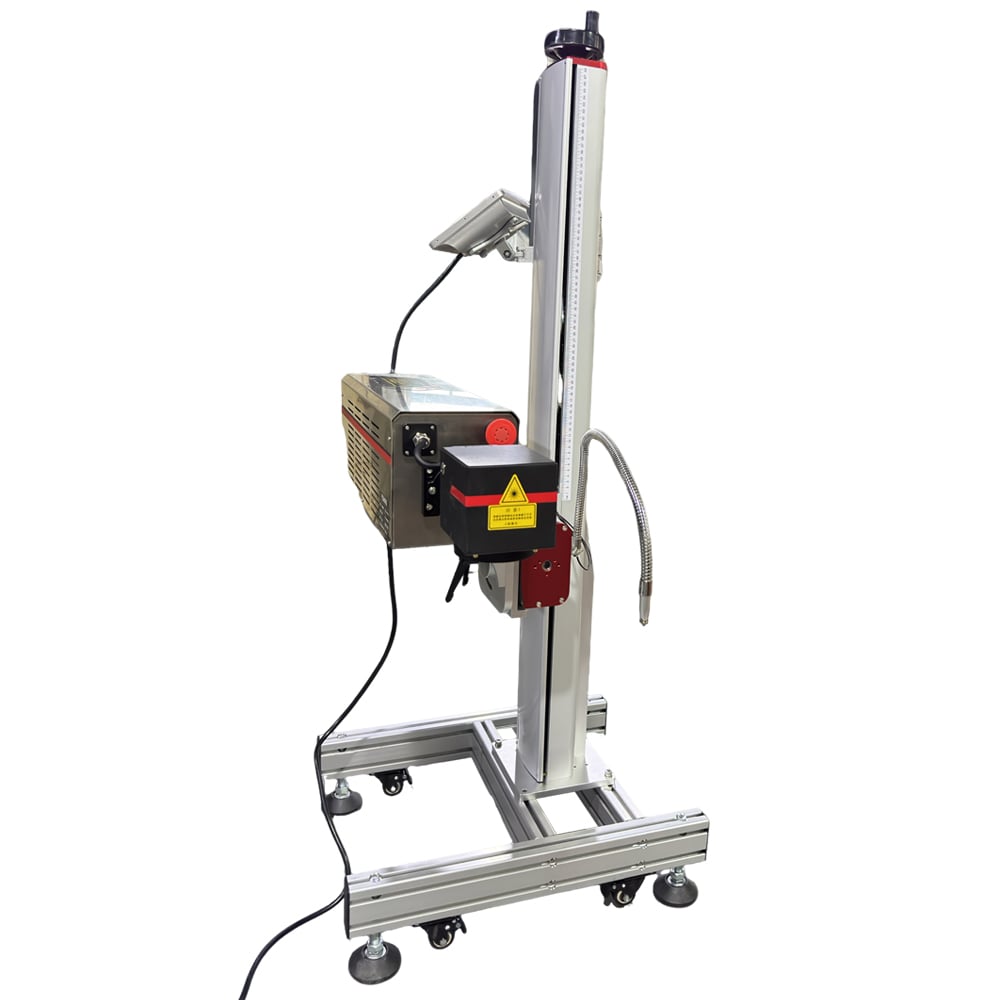
Pitfall 7: No expansion interface. If thermal transfer coding (TTO), vision inspection or serialization may come later, reserve the sync signal interface and mounting position now. Adding it at selection costs almost nothing; retrofitting later means downtime or a new machine.
Pitfall 8: After-sales left out of the contract. Rollers, peel plates and sensors are consumables. Put response time, spare-part availability, remote support and a priced consumables list in writing.
Watching a demo is not a trial test. The supplier sets up their sample, tunes the parameters, runs for three minutes, and everything looks perfect — but what was tested is their demo unit, not your line.
The extreme-condition method. Bring the hardest product in your plant: the most irregular bottle, the most delicate label, or the line with the highest speed requirement. Bring your own labels, same batch, not the supplier's generic stock. Run at your target speed, not theirs. Run for at least 30 minutes and record three metrics: label position consistency, edge wrinkling or bubbling, and drift over time. If the hardest product passes, normal products will be comfortable. If it fails, no spec sheet will fix it.
One technical question that marks you as an expert: for transparent labels, ask whether the label sensor is optical, capacitive or ultrasonic. Optical sensors rely on light transmission to detect the gap between labels and frequently fail on fully transparent film — the symptom is erratic dispensing, one label too many or one too few, a fault that is very hard to trace on site and is usually misdiagnosed as "machine instability". Capacitive and ultrasonic sensors read dielectric or acoustic differences instead and handle transparent material far more reliably.
Selection Checklist
| Item | What to Confirm |
| Bottle | Min/max diameter and height, taper, grooves |
| Output | Single-hour peak, measured 30-minute continuous value |
| Label | Material, size, dispensing direction |
| Dispensing | Peel-plate / air-blow / vacuum tamp |
| Changeover | Time, tooling cost, number of compatible formats |
| Expansion | Coding, inspection, serialization interfaces |
| Site | Air supply, orientation, infeed height, paging machine |
| Trial | Real samples, 30-minute stability run |
| After-sales | Response time, spare-part term, consumables pricing |
CTA: Send us your bottle dimensions, label material and peak hourly output, and we will return a requirement calculation plus a recommended machine configuration — including whether a paging machine is needed and whether inline coding should be specified.
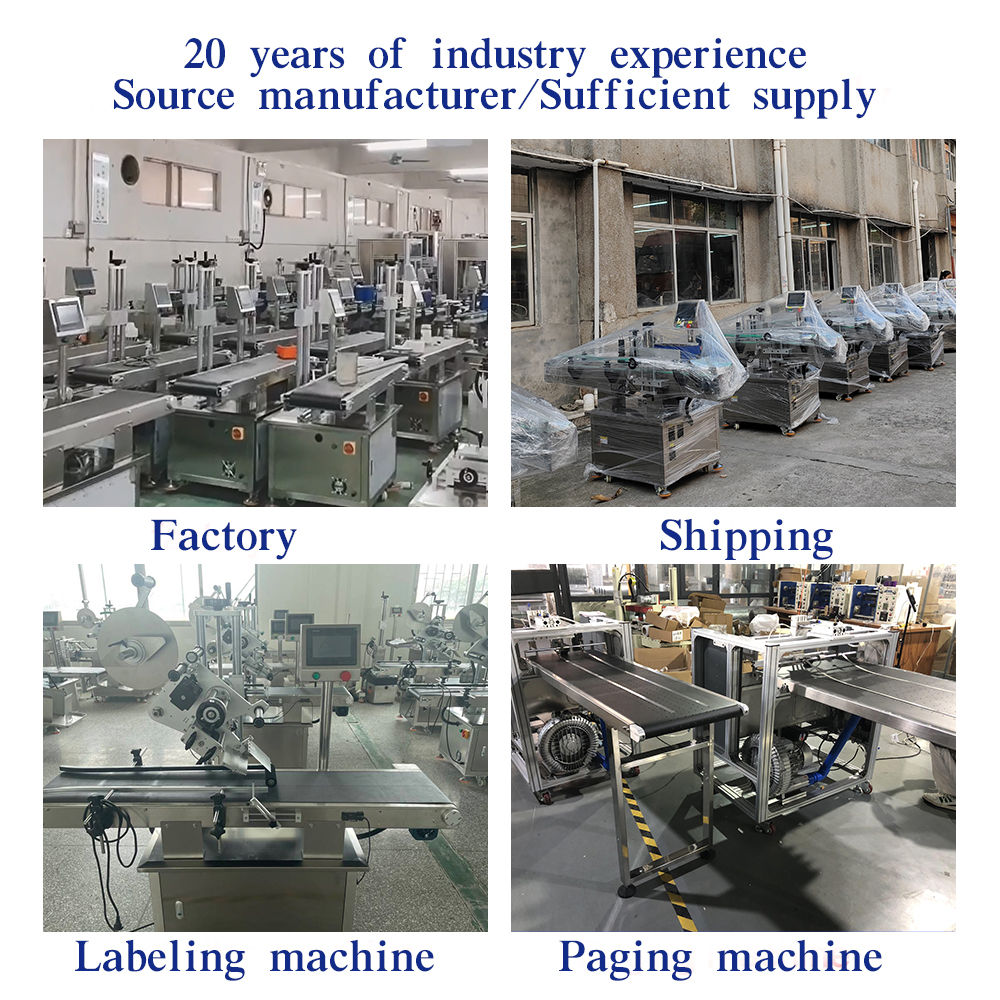

Henan Best Packing Machine Co., Ltd. provides automated packaging systems for food, beverage, pharma & cosmetics. 20 patents, ISO-certified. 100,000+ machines yearly. Global support. Get a quote today.
No. 012 (east of 107), Building A03, 863 Industrial Park, No. 166 Xindong Avenue, Hongqi District, Xinxiang City, Henan Province, China
Copyright © 2025 by Henan Best Packing Machine Co., Ltd. | Privacy policy
 EN