EN
EN

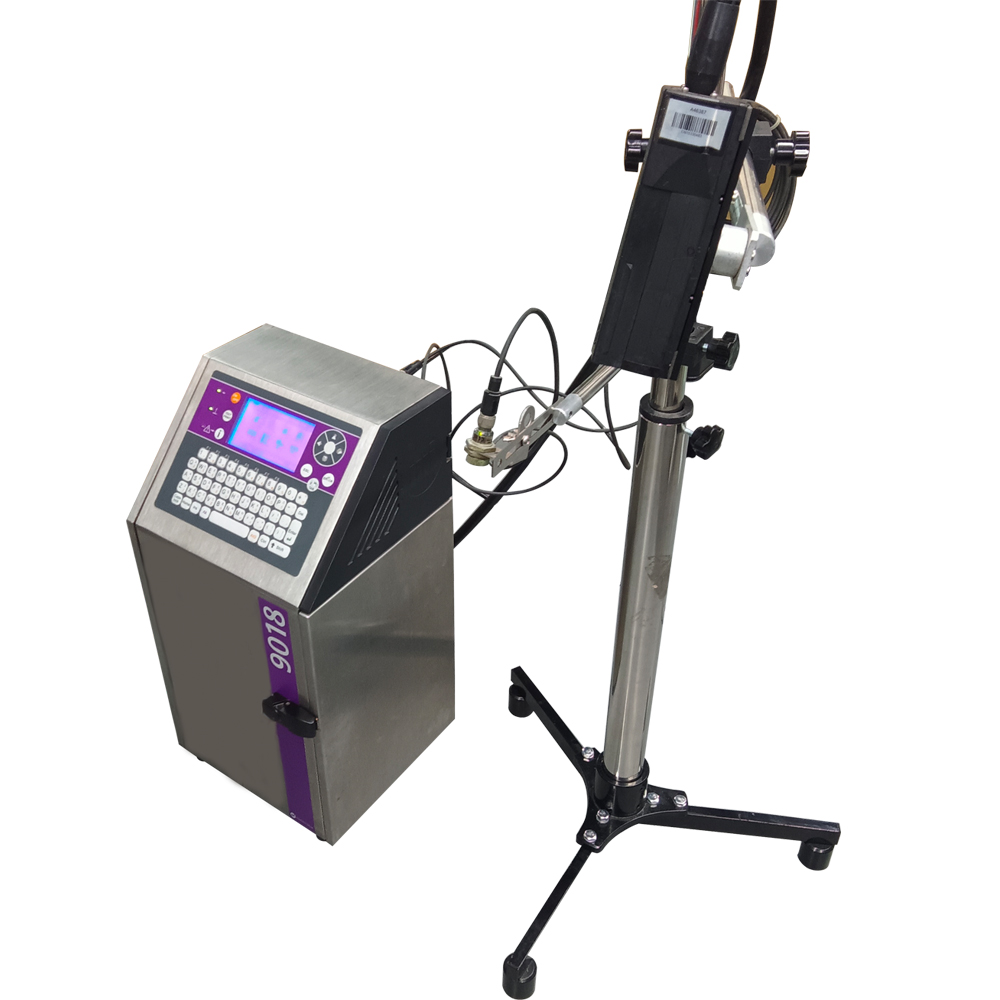
Asas Ketepatan dalam Mesin Penyandian
Mengapa Toleransi Pemasangan Sub-Milimeter Adalah Wajib dalam Sektor Farmaseutikal dan Automotif
Sektor farmaseutikal dan automotif memerlukan mesin pengekodan yang mampu beroperasi dalam toleransi yang sangat ketat, sering kali di bawah 0.1 mm, kerana kesilapan di sini secara literal boleh bermaksud situasi hidup atau mati. Bagi pengilang ubat, tarikh luput atau nombor kelompok yang salah dicetak pada bungkusan blister menimbulkan risiko serius kepada pesakit. Satu digit yang salah sahaja boleh menyebabkan campur aduk ubat yang berakibat fatal, yang kemudiannya perlu ditangani syarikat melalui penarikan semula produk yang mahal—secara purata sekitar $740,000 setiap satu—berdasarkan kajian Institut Ponemon tahun 2023. Dalam kereta, penempatan nombor VIN dan kod QR yang betul sama pentingnya untuk melacak komponen sepanjang talian pengeluaran. Perubahan kecil sebanyak separuh milimeter pun boleh mengelirukan robot yang cuba mengimbas komponen semasa proses pemasangan. Kedua-dua peraturan Pengenalpastian Peranti Unik (Unique Device Identification) FDA dan piawaian kualiti IATF 16949 menetapkan keperluan ketat terhadap ketepatan kod. Teks yang boleh dibaca manusia perlu kekal jelas apabila diperiksa menggunakan fon OCR-A pada sistem resolusi 300 dpi. Spesifikasi ketat ini membantu mengelakkan masalah yang kini mempengaruhi kira-kira lapan peratus daripada semua produk farmaseutikal yang dihantar di seluruh dunia setiap tahun.
Bagaimana Kestabilan Mekanikal, Maklum Balas Sebenar-Masa, dan Kawalan Gelung-Tertutup Berinteraksi untuk Menjaga Ketepatan
Ketepatan dalam mesin pengekodan moden bergantung pada tiga sistem saling bersandar yang meminimumkan ralat kumulatif:
| Sistem | Fungsi | Kesan terhadap Kepersisan |
|---|---|---|
| Kestabilan Mekanikal | Rangka yang direndam getaran & panduan linear | Mengurangkan hanyutan sebanyak 90% |
| Maklum Balas Segera | Sensor laser mengimbas 500/ketika | Mengesan 15 penyimpangan secara serta-merta |
| Kawalan berangka keliling | Motor servo pembetulan-diri | Melaraskan penempatan dalam <2 ms |
Rangka aloi aluminium yang kukuh membantu menyerap getaran menjengkelkan di talian pengeluaran yang menjadi punca kira-kira 47 peratus daripada semua masalah pelarasan sepanjang masa. Pada masa yang sama, penyandian optik memantau pergerakan substrat dan menghantar maklumat ini kepada algoritma pintar yang kemudiannya melaraskan sama ada muncung atau titik fokus laser semasa proses masih berlangsung. Seluruh gelung suap balik ini berfungsi luar biasa apabila menangani bahan-bahan tidak konsisten seperti kadbod tidak sekata yang digunakan dalam pembungkusan farmaseutikal, mengekalkan ketepatan yang tepat walaupun jentera beroperasi pada kelajuan tinggi sehingga 15 meter sesaat. Apabila pengilang memasang sistem-sistem ini, peralatan pengekodan mereka secara konsisten menghasilkan kod bar ISO/IEC 15415 Gred A berkualiti terbaik dalam hampir setiap aplikasi (sekitar 99.3%) tanpa memerlukan sebarang intervensi manual untuk memperbaiki sesuatu.
Mekanisme Ketepatan Merentas Teknologi Mesin Pengekodan
Mesin Penyandian CIJ: Menyelaraskan Posisi Titisan dengan Kelajuan Garisan dan Pampasan Substrat
Sistem CIJ mampu mencapai tahap ketepatan pada skala mikron berkat penggerak piezoelektrik yang beroperasi bersamaan dengan penjejakan masa nyata terhadap permukaan apa pun yang dicetak. Apabila kelajuan pengeluaran mencapai kira-kira 10 meter sesaat—seperti dalam pembungkusan ubat—penyandi ini sebenarnya boleh menyesuaikan masa pelepasan setiap titisan tinta menggunakan perisian ramalan yang sangat canggih di sebalik tabir. Model-model terkini kini turut mengambil kira sifat keporosan atau kelengkungan permukaan, sehingga mengurangkan ralat hampir separuh berbanding sistem lama yang tidak mempunyai ciri ini. Dan jangan lupa mengapa semua ini begitu penting—iaitu aspek kewangan. Kesilapan cetak pada label sahaja mengosetkan syarikat purata tujuh ratus empat puluh ribu dolar AS setiap tahun dalam sektor-sektor di mana pematuhan peraturan merupakan perkara utama, dari keselamatan makanan hingga peranti perubatan.
Mesin Penyandian Laser: Resolusi Galvanometer (5 rad) dan Kestabilan Tenaga Denyut (<1.2%)
Sistem laser gentian mampu mengekalkan penentuan kedudukan pada tahap sub-mikron berkat galvanometer yang mempunyai resolusi sebaik 5 mikro-radian atau lebih baik. Untuk memberikan gambaran, bayangkan anda mampu mengenai tepi sekeping duit syiling semasa berdiri pada jarak penuh satu kilometer. Apabila digabungkan dengan kestabilan tenaga denyut dalam julat plus atau minus 1.2 peratus, mesin penanda ini menghasilkan tandaan yang konsisten dalam kedalaman sekitar 0.05 mikrometer pada permukaan keluli tahan karat berkualiti tinggi untuk kegunaan pembedahan. Gabungan ciri-ciri ini membolehkan pemenuhan keperluan UDI yang ketat bagi keterbacaan fon OCR-A di bawah saiz 0.1 mm. Bagi peranti perubatan yang ditanam di dalam pesakit, ketepatan sebegini amat penting kerana peraturan mensyaratkan sekurang-kurangnya 99.3% keterbacaan untuk pengesanan yang betul sepanjang keseluruhan kitar hayat peranti tersebut.
Pendorong Perundangan dan Tuntutan Ketepatan Khusus Aplikasi
Kepatuhan UDI dan Ambang Keterbacaan Fon OCR-A <0.1 mm untuk Alat Pembedahan
Sektor pembuatan peranti perubatan kini menghadapi peraturan UDI yang sangat ketat. Apabila tiba kepada keterbacaan fon OCR-A pada alat pembedahan, kita berbicara tentang saiz aksara di bawah 0.1 mm dalam beberapa kes. Mengapa ini begitu penting? Aksara bersaiz kecil ini perlu kekal dapat discan walaupun selepas beberapa kali proses sterilisasi. Dan marilah kita nyatakan dengan jelas—ini bukan sekadar cadangan daripada pihak berkuasa peraturan. Hospital benar-benar memerlukan tahap ketelusuran ini demi keselamatan pesakit. Peralatan pengekodan yang digunakan mesti mencapai toleransi ketat ini kerana jika pembedah tidak dapat membaca tanda pada alat mereka semasa prosedur, situasi akan menjadi rumit dengan cepat. Menurut kajian terkini yang diterbitkan dalam Journal Keselamatan Pesakit pada tahun 2023, apabila label alat menjadi tidak dapat dibaca, operasi biasanya mengalami kelengahan selama kira-kira 18 minit setiap kali.
Peningkatan Prestasi ISO/IEC 15415: Dari 82% hingga 99.3% Pematuhan Setelah Integrasi Laser Berpemandu Servo
Sistem laser yang dikuasakan oleh servo telah sepenuhnya mengubah cara kami menangani isu pematuhan kod bar kerana sistem ini mampu menyesuaikan diri secara segera apabila berurusan dengan permukaan yang tidak rata. Dahulu, kod termal lama menghadapi masalah serius dalam memenuhi piawaian ISO/IEC 15415, terutamanya apabila digunakan pada botol pil bulat atau bungkusan melengkung serupa di mana skor kerap jatuh di bawah 82%. Apabila syarikat beralih kepada kawalan laser gelung tertutup ini, kualiti meningkat secara ketara kepada kira-kira 99.3% kerana sistem secara automatik memperbaiki masalah kontras yang mengganggu tersebut semasa beroperasi. Dan jujurlah, ketepatan sebegini amat penting juga bagi rantaian bekalan. Syarikat-syarikat kehilangan kira-kira tujuh ratus empat puluh ribu dolar AS setiap tahun hanya akibat denda yang dikenakan atas kod bar yang tidak baik dan tidak dapat diimbas dengan betul.
| Teknologi | Pematuhan Sebelum Naik Taraf | Pematuhan Selepas Naik Taraf | Peningkatan Kritikal |
|---|---|---|---|
| Termal Tradisional | 82% | — | Toleransi kontras rendah |
| Laser Berpemandu Servo | — | 99.3% | Kestabilan tenaga & penyesuaian permukaan |
Pemacu Perisian dan Keras Penting dalam Mesin Pengekodan Moden
Algoritma Penjajaran Kepala Cetak dan Pemodelan Reologi Tinta-Substrat Mengurangkan Ketidaksejajaran sebanyak 47%
Sistem pelarasan kepala pencetak secara berterusan menyesuaikan arah pancutan muncung semasa operasi, untuk mengatasi isu-isu yang disebabkan oleh getaran mesin dan perubahan suhu. Sistem ini bergantung pada data segera daripada sensor optik kecil tersebut untuk memastikan setiap titisan tinta jatuh hampir tepat di tempat yang sepatutnya, biasanya dalam julat sekitar setengah milimeter ke kiri atau ke kanan. Pada masa yang sama, komponen lain dalam sistem ini menganalisis cara pelbagai jenis tinta bertindak balas apabila menyentuh bahan-bahan berbeza. Bayangkan apa yang berlaku ketika mencetak pada kadbod kasar berbanding botol plastik licin. Teknologi ini sebenarnya memodelkan tingkah laku tersebut terlebih dahulu. Ia menganalisis bagaimana cecair bergerak dan mengering, kemudian menyesuaikan parameter seperti saiz titisan sebelum masalah berlaku. Menurut kajian yang diterbitkan dalam sektor pembungkusan tahun lepas, penggabungan semua ciri ini mengurangkan ralat pendaftaran hampir separuh berbanding kaedah-kaedah lama. Apa maksudnya secara praktikal? Lebih sedikit cetakan kabur dan imej hantu apabila mesin menghasilkan produk dengan kelajuan tinggi. Selain itu, ia juga mengelakkan kesilapan kod kelompok yang mengganggu—kesilapan yang boleh menyebabkan syarikat melanggar peraturan dan berpotensi membawa kepada penarikan semula produk yang mahal di kemudian hari.
Bahagian Soalan Lazim
Mengapa ketepatan pengekodan amat penting dalam industri farmaseutikal dan automotif?
Ketepatan pengekodan adalah sangat penting kerana sebarang ralat dalam kod yang dicetak—seperti tarikh luput atau nombor kelompok dalam produk farmaseutikal—boleh menyebabkan kekeliruan yang berbahaya. Demikian juga, penempatan kod yang tidak tepat dalam pembuatan komponen automotif boleh mengganggu proses pengeluaran dan penjejakan. Ralat sedemikian mengakibatkan penarikan semula yang mahal serta isu pematuhan peraturan.
Apakah sistem utama yang menjamin ketepatan dalam mesin pengekodan?
Sistem utama termasuk kestabilan mekanikal melalui rangka yang redam getaran, suapan balik masa nyata melalui sensor laser, dan kawalan gelung tertutup menggunakan motor servo yang mampu membetulkan diri. Sistem-sistem ini beroperasi secara serentak untuk meminimumkan ralat dan mengekalkan ketepatan tinggi dalam proses pengekodan.
Bagaimanakah sistem CIJ mencapai ketepatan pada tahap mikron?
Sistem CIJ menggunakan aktuator piezoelektrik dan penjejakan masa nyata untuk mencapai ketepatan pada tahap mikron. Sistem ini menyesuaikan penempatan titisan secara dinamik pada kelajuan tinggi serta mengimbangi variasi substrat, yang mengurangkan ralat dan meningkatkan pematuhan.
Apakah peningkatan yang ditawarkan oleh sistem laser berpemandu servo dalam pematuhan kod bar?
Sistem laser berpemandu servo memberikan kestabilan tenaga yang lebih baik dan kemampuan menyesuaikan diri terhadap pelbagai permukaan, sehingga meningkatkan pematuhan kod bar secara ketara dari 82% kepada 99.3%. Sistem-sistem ini mampu membetulkan diri secara automatik semasa beroperasi, memastikan kualiti tinggi serta mengurangkan kos berkaitan pematuhan.
Kandungan
- Asas Ketepatan dalam Mesin Penyandian
- Mekanisme Ketepatan Merentas Teknologi Mesin Pengekodan
- Pendorong Perundangan dan Tuntutan Ketepatan Khusus Aplikasi
- Pemacu Perisian dan Keras Penting dalam Mesin Pengekodan Moden
-
Bahagian Soalan Lazim
- Mengapa ketepatan pengekodan amat penting dalam industri farmaseutikal dan automotif?
- Apakah sistem utama yang menjamin ketepatan dalam mesin pengekodan?
- Bagaimanakah sistem CIJ mencapai ketepatan pada tahap mikron?
- Apakah peningkatan yang ditawarkan oleh sistem laser berpemandu servo dalam pematuhan kod bar?