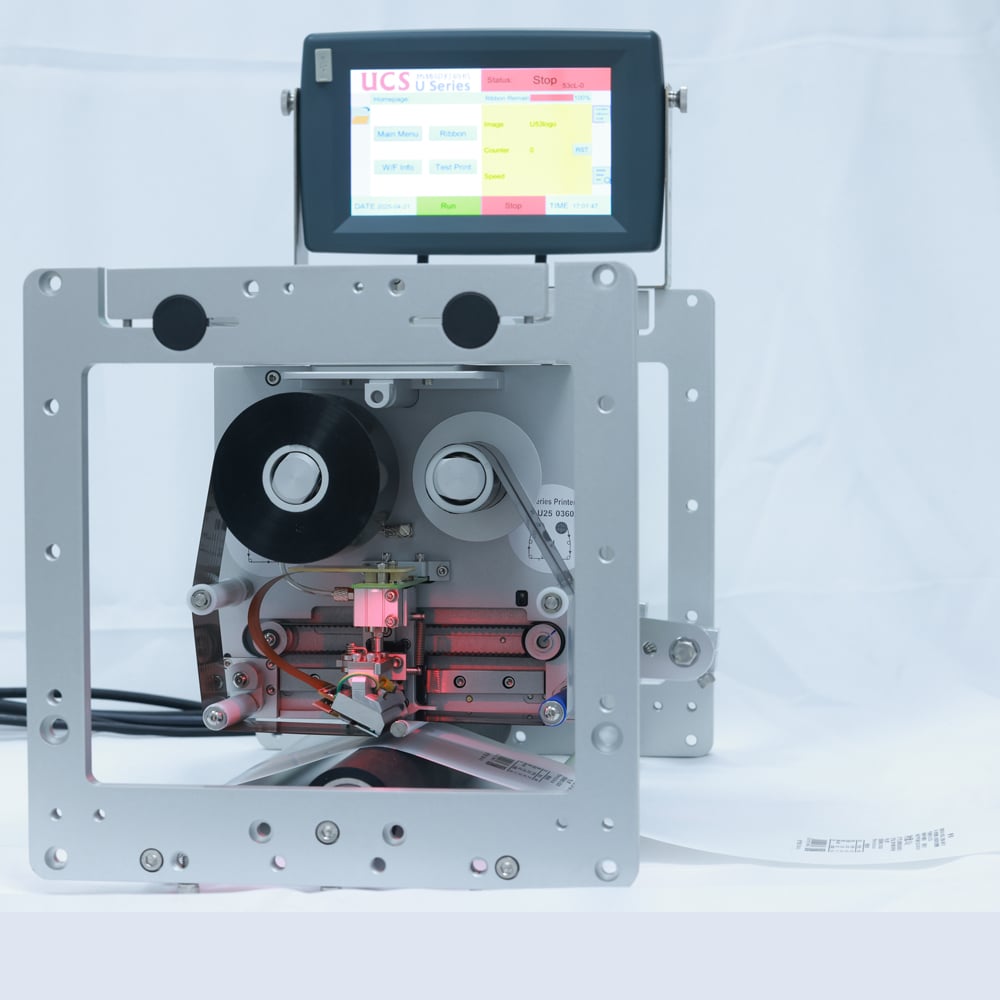

A round bottle labeling machine can also be used to apply labels to cans. Although these machines are commonly used for plastic bottles, glass bottles, and cylindrical containers, they are also suitable for labeling different types of cans, including food cans, beverage cans, metal tins, and aluminum containers.
For manufacturers in the food, beverage, and packaging industries, an automatic round bottle labeling machine provides an efficient solution for applying product labels around cylindrical cans. It helps improve labeling accuracy, maintain consistent label positioning, and increase production efficiency.
In this article, we will explain how a round bottle labeling machine works for can labeling, what types of cans it can handle, and how to choose the right equipment.
1.Can a Round Bottle Labeling Machine Be Used for Cans?
A round bottle labeling machine is designed to apply self-adhesive labels to cylindrical products. Since many cans have a round shape, the same labeling principle can be used for can labeling applications.
The machine can apply labels to:
Tin cans for canned vegetables and fruits.
Metal food cans for meat and seafood.
Aluminum beverage cans.
Round coffee and tea tins.
Cylindrical food packaging containers.
Plastic and composite cans.
Whether you are labeling empty cans or filled products, the machine can be configured according to the container dimensions, label size, and production requirements.
However, not every round bottle labeling machine is suitable for every can. Factors such as can diameter, height, surface material, weight, and production speed should be considered before selecting a machine.
2. How Does a Round Can Labeling Machine Work?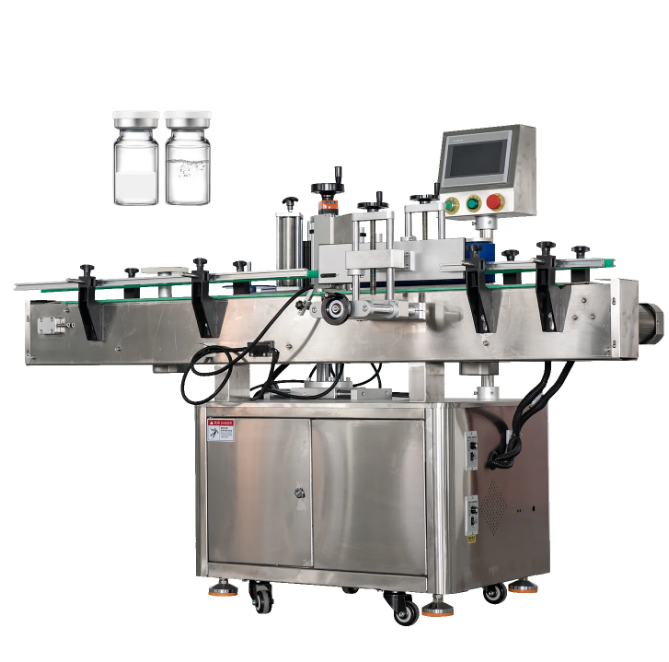
An automatic round can labeling machine typically uses a conveyor system, product detection sensor, labeling head, and rolling mechanism to complete the labeling process.
The working process generally includes the following steps:
Step 1: Product Feeding
Cans are placed on the conveyor belt and transported into the labeling area. A spacing mechanism can separate the cans to maintain a consistent distance.
Step 2: Product Detection
A photoelectric sensor detects each passing can and sends a signal to the labeling system.
Step 3: Label Dispensing
The labeling head automatically releases the self-adhesive label and applies it to the surface of the can.
Step 4: Label Rolling
The can rotates through a roller or belt mechanism, allowing the label to wrap smoothly around its cylindrical surface.
Step 5: Finished Product Output
After labeling, the cans move along the conveyor to the next production process.
This automated process reduces manual labor and helps maintain consistent label positioning.
3. What Types of Cans Can Be Labeled? 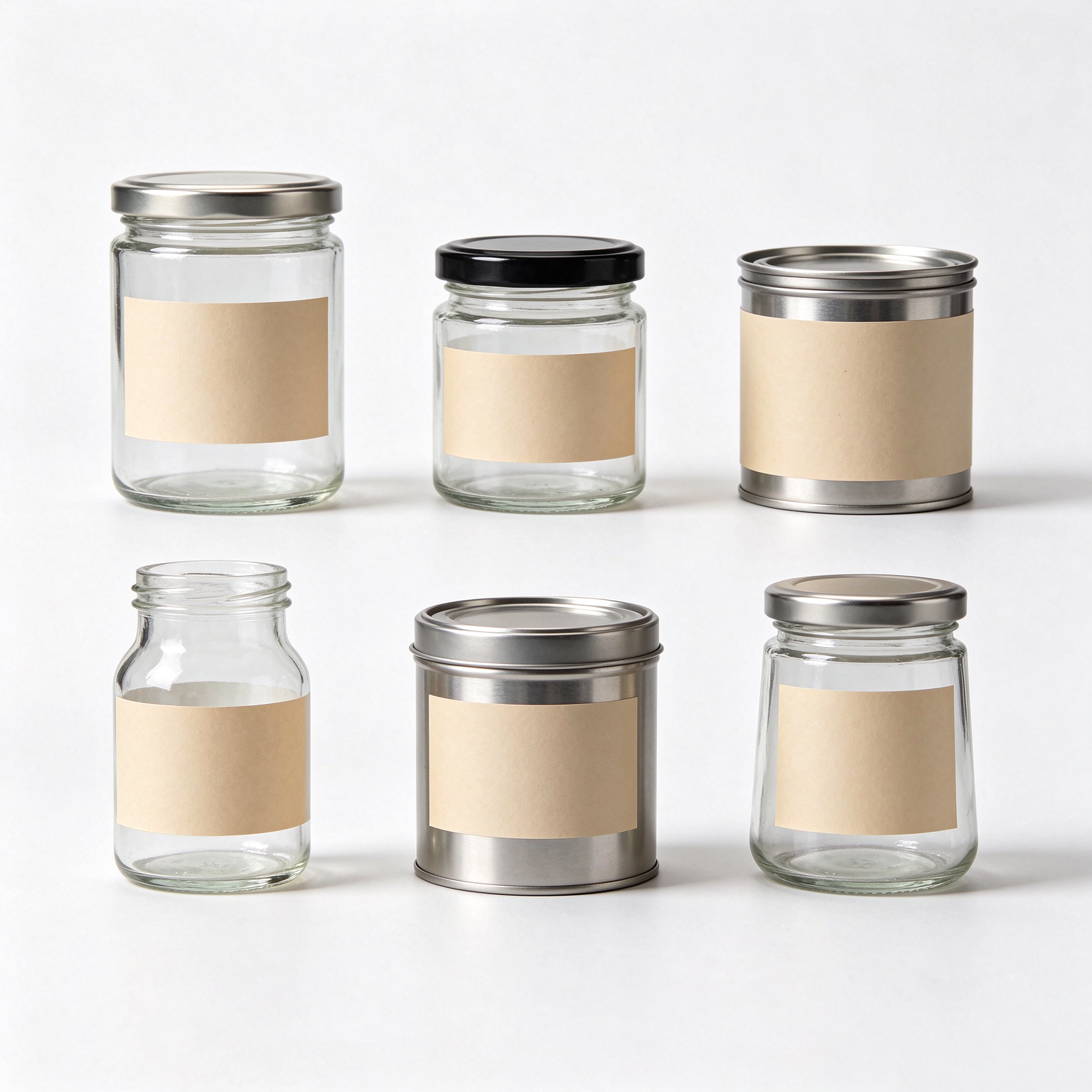
Round bottle labeling machines can handle various cylindrical can products.
Can Type |
Typical Applications |
|---|---|
Tinplate cans |
Canned food, seafood, vegetables |
Aluminum cans |
Drinks, beverages |
Metal tins |
Coffee, tea, biscuits |
Plastic cans |
Food, nutritional products |
Composite cans |
Powder, snacks, dry food |
For different can materials and surface conditions, the label material and adhesive should also be selected carefully to ensure good adhesion.
High Labeling Accuracy
Automatic positioning and label dispensing help ensure consistent label placement on every can.
Improved Production Efficiency
Automatic feeding and labeling reduce the need for manual application, making the equipment suitable for continuous production.
Wide Application Range
One machine can potentially handle different cylindrical containers by adjusting the product guides, labeling parameters, and other components.
Professional Packaging Appearance
Smooth label application helps reduce wrinkles, bubbles, and misalignment, giving products a more professional appearance.
Reduced Labor Costs
Automated labeling reduces repetitive manual work and helps manufacturers improve overall production efficiency.
Before purchasing a round bottle labeling machine for cans, consider the following factors:
Can Diameter: Confirm the minimum and maximum can diameters supported by the machine.
Can Height: Make sure the labeling head can accommodate the container height.
Label Size: Consider label width, length, and wrap-around requirements.
Production Speed: Choose a machine that matches your existing production line.
Can Material: Check whether the machine is suitable for metal, aluminum, plastic, or composite containers.
Labeling Position: Determine whether you need full-wrap, partial-wrap, or positioning labeling.
Providing sample cans and label specifications to your equipment supplier is recommended before ordering.

Bestpropack provides automatic round bottle labeling machines for cylindrical containers and packaging applications. Our equipment can be configured for different product diameters, label dimensions, and production requirements.
Whether you need to label canned food, metal tins, aluminum containers, or plastic round packaging, we can help you select a suitable labeling solution.
We can also discuss integration with additional equipment, such as date coding printers, thermal transfer overprinters, and production line conveyors.
Contact Bestpropack today to discuss your can labeling requirements and find the right automatic labeling machine for your production line.

Henan Best Packing Machine Co., Ltd. provides automated packaging systems for food, beverage, pharma & cosmetics. 20 patents, ISO-certified. 100,000+ machines yearly. Global support. Get a quote today.
No. 012 (east of 107), Building A03, 863 Industrial Park, No. 166 Xindong Avenue, Hongqi District, Xinxiang City, Henan Province, China
Copyright © 2025 by Henan Best Packing Machine Co., Ltd. | Privacy policy
 EN