EN
EN

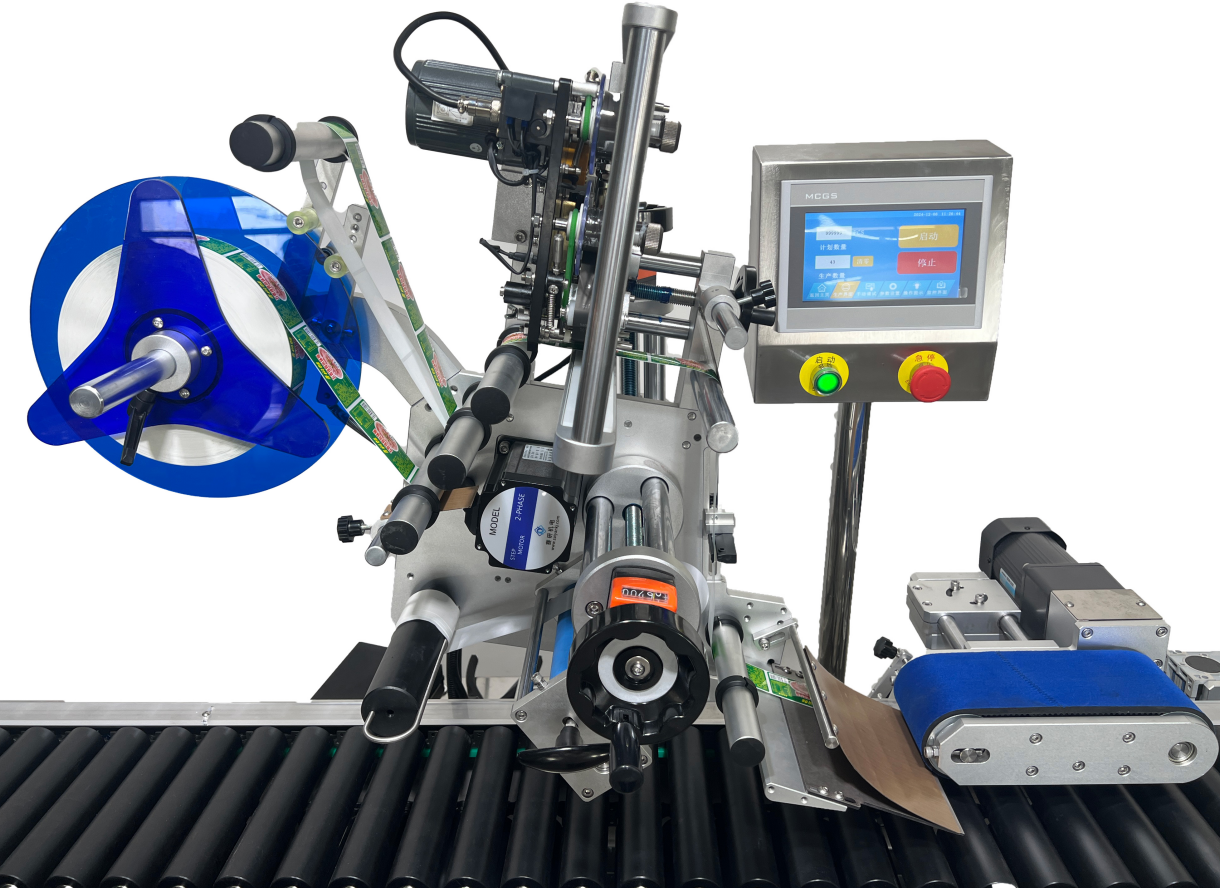
Precision Engineering for Consistent Label Placement
Horizontal automatic round bottle labelers reduce reject rates through precision-engineered components that ensure exact label positioning. By integrating advanced sensor technology with tightly synchronized mechanical systems, these machines eliminate placement errors caused by manual handling or timing inconsistencies.
Synchronized Bottle Indexing and Label Feed Timing
Getting things right starts with movements that work together just right. When bottles spin along the conveyor belt, those little optical sensors pick up where each one is sitting and kick off the label dispenser with pinpoint accuracy down to millionths of a second. What this means is labels land exactly where they need to be on every bottle, no matter if production speeds are running fast or slow. The system's servo controls keep everything within a tight window of plus or minus 0.02 seconds, even when cranking out 400 bottles per minute. And this matters because studies show around 37% fewer labeling problems happen when timing stays within these limits instead of drifting beyond 0.1 seconds. According to the latest data from the Packaging Machinery Manufacturers Institute in their 2023 report, these kinds of precision improvements make all the difference in real world operations.
Servo-Controlled Turret and Vacuum Chuck Stability
Stable label head positioning forms the basis for accurate placement. The turret system uses servos to maintain rotation precision throughout operations. Meanwhile, vacuum chucks adapt well to containers with different diameters, handling variations of around 15% without issue. Conveyor vibrations that might lead to label slippage get absorbed by pneumatic dampeners. For curved surfaces, special rollers adjust pressure consistently with about a 5% margin of error. These combined controls stop those annoying wrinkles and bubbles which are the main culprits behind rejected products due to appearance problems. Even at top speeds, the system keeps labels positioned accurately within just 0.3mm tolerance.
Gentle, Adaptive Application to Preserve Label Integrity
Preventing label damage during high-speed application is essential for minimizing rejects. A horizontal automatic round bottle labeler achieves this through engineered systems designed to handle containers and labels with exceptional care—ensuring visual integrity and strong shelf appeal.
Ergonomic Transfer Pathways Minimizing Vibration and Slippage
Getting bottles positioned just right matters a lot for good results. The transfer paths are built with special materials that create less friction and shaped in ways that keep containers moving smoothly without shaking around too much. These design choices help prevent those annoying situations where labels start sliding off or get misaligned because of unexpected bumps during transport. When bottles stay properly aligned throughout the process, labels stick where they should without problems like crooked placement or corners peeling up, something that happens way too often in older equipment setups that don't have such precise control mechanisms.
Pneumatic Dampening and Adaptive Pressure Rollers for Delicate Labels
When working with sensitive materials, getting the right amount of pressure during application is absolutely critical. Pneumatic dampeners built into modern labeling equipment help soak up those little mechanical jolts that happen all through the labeling process. This really makes a difference for fragile labels that would otherwise get damaged when something unexpected happens. Pressure rollers have come a long way too. They can now sense what kind of container they're dealing with and how thick the label actually is. Based on these factors, they tweak the pressure just enough to stick properly but not so much that they crush whatever substrate they're applied to. And let's face it nobody wants air pockets trapped underneath either. These improvements cut down on those annoying wrinkles and bubbles that keep showing up in quality checks later on down the line at inspection stations.
Smart Error-Proofing with Real-Time Vision Inspection
Real-Time Vision Systems Detecting Misalignment, Bubbles, and Wrinkles
The latest generation of horizontal automatic round bottle labelers now come equipped with high resolution vision inspection systems capable of scanning bottles while they move along the production line at full speed. These smart systems run on AI algorithms that check each label against digital templates at rates exceeding 200 frames per second. They catch problems that even experienced human inspectors tend to overlook. For instance, they spot when labels are off by more than plus or minus 0.3 millimeters, detect tiny air bubbles that weaken adhesives, and find those barely visible wrinkles that make products get rejected for looking imperfect. When something goes wrong, the system flags it within less than 50 milliseconds. According to research published in the Journal of Packaging Technology back in 2022, this kind of automated checking cuts down labeling mistakes by around two thirds compared to what humans can manage manually.
Automatic Rejection and Traceable Logging for Continuous Improvement
When defects are detected during production, pneumatic arms kick in right away to move those faulty bottles out of the line while keeping everything else running smoothly. Every time something gets rejected, the system automatically records what kind of defect it was along with when it happened and exactly where on the production line. These details show up on live dashboards that track how often certain errors occur. The data also helps figure out why problems happen in the first place by looking at things like machine tension settings, glue thickness levels, or how fast the conveyor belts are moving. Plants that have implemented this kind of tracking system can fix repeated labeling problems about 22 percent quicker according to recent industry research from the Association for Packaging and Processing Technologies in their 2023 Operational Efficiency Survey.
Operational Impact: Quantifying Reject Rate Reduction
Putting in place horizontal automatic round bottle labelers brings real benefits to operations, cutting down on wasted labels, saving money on labor costs, and reducing those frustrating unexpected stoppages. Plants that have invested in good quality labeling systems often see productivity jump somewhere between 5% and maybe even 15%, mainly because there are just so many fewer messed up labels that need fixing by hand or getting thrown away altogether. When less material gets wasted and operators don't have to constantly step in to fix things, the cost per item drops significantly. The fact that there are fewer mistakes means machines spend less time stopped for quality checks, which actually boosts what's called Overall Equipment Effectiveness (OEE) metrics. People who work with these systems day to day tend to notice much smoother running processes too. Properly placed labels stop problems later on during packaging and inspection steps where everything tends to back up. As rejection rates go down across the board, factories can produce more goods without burning through extra resources, giving them a serious edge when operating at scale.
FAQ
What is the main advantage of horizontal automatic round bottle labelers?
The main advantage of horizontal automatic round bottle labelers is their precision in label placement, significantly reducing reject rates and improving overall production efficiency.
How do these machines minimize label placement errors?
These machines minimize label placement errors by using advanced sensor technology and synchronized mechanical systems, which ensure exact label positioning, regardless of production speed.
Can these labelers handle different bottle sizes?
Yes, the vacuum chucks in these machines can adapt to containers with varying diameters, handling up to a 15% variation without issue.
What role do vision inspection systems play in the labeling process?
Real-time vision inspection systems scan bottles for misalignment, bubbles, and wrinkles, ensuring any defects are detected and corrected promptly, reducing labeling mistakes significantly.
How can these systems impact overall production effectiveness?
By reducing material waste and minimizing manual intervention, these systems improve Overall Equipment Effectiveness (OEE) metrics, leading to smoother operations and higher productivity.
Table of Contents
- Precision Engineering for Consistent Label Placement
- Gentle, Adaptive Application to Preserve Label Integrity
- Smart Error-Proofing with Real-Time Vision Inspection
- Operational Impact: Quantifying Reject Rate Reduction
-
FAQ
- What is the main advantage of horizontal automatic round bottle labelers?
- How do these machines minimize label placement errors?
- Can these labelers handle different bottle sizes?
- What role do vision inspection systems play in the labeling process?
- How can these systems impact overall production effectiveness?