EN
EN

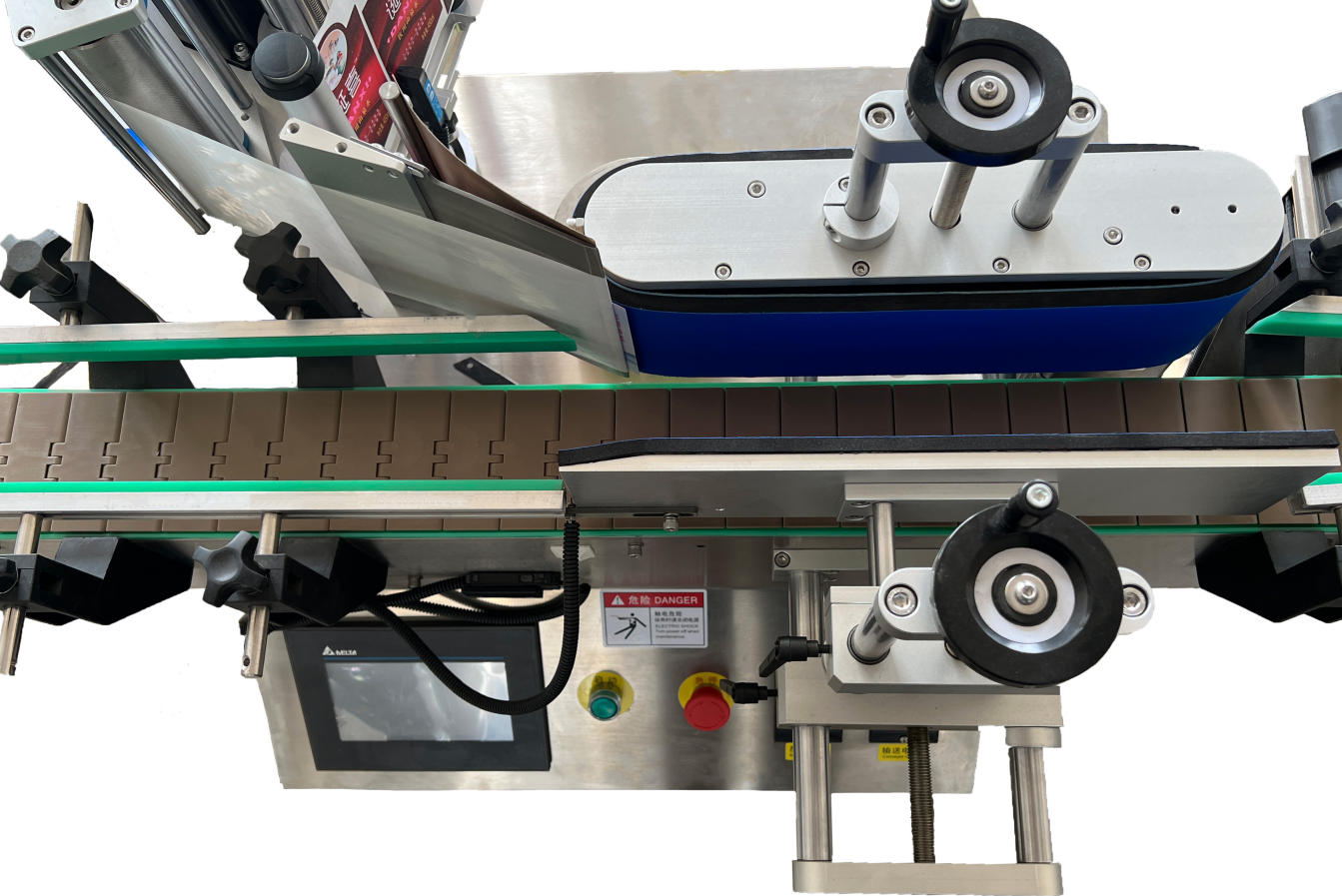
Why Benchtop Roll-On Label Applicators Excel in Workshop Integration
Mechanical Simplicity and Modular Design Reduce Setup Complexity
The benchtop roll-on label applicators really cut down on those pesky integration issues thanks to how they're engineered from the start. These aren't like big industrial machines that need special bases or air lines running everywhere. Instead, they come with frames that just bolt together and adjustments that don't require any tools at all. What makes them stand out is this modular design that lets folks add things like guide rails or sensors without tearing apart their whole workstation. Setup times drop dramatically too - somewhere between 60 to 75 percent faster according to Packaging Digest numbers from last year. And here's another plus point nobody talks about much: since there are no fancy servo motors or complicated PLC controllers involved, regular workers can get these up and running in less than two hours with nothing but basic hand tools. That kind of flexibility matters a lot in workshops that change layout constantly throughout the day.
Plug-and-Play Power, Control, and Media Handling for Non-Industrial Spaces
These compact labelers overcome infrastructure limitations common in small workshops through three key adaptations:
- Standard 110V operation, avoiding costly electrical upgrades
- Intuitive touchscreen interfaces, replacing industrial control panels that require programming expertise
- Tool-free media loading, enabling rapid label roll changes during short, variable runs
Integrated feed systems keep placement accuracy within about 1 mm range even when working with those tricky lightweight paper labels, which is really important for applications where compliance matters most such as cosmetics or food packaging industries. These benchtop roll-on label applicators actually work better in real world settings because they fit into spaces that aren't designed for heavy industrial equipment. They get up and running roughly three times quicker compared to traditional conveyor based systems and take up around 70 percent less room on factory floors. The whole plug and play setup means these machines serve as excellent stepping stones between completely manual labeling processes and moving towards basic levels of automation without requiring major infrastructure changes.
Common Integration Roadblocks—and How to Mitigate Them
Power, Space, and Workflow Constraints in Multi-Use Workshops
Workshops balancing multiple production tasks often encounter three core hurdles when integrating benchtop roll-on label applicators:
- Power limitations: Standard 110V outlets may not support industrial equipment. Upgrading circuits—or using voltage converters where appropriate—resolves this for 95% of setups (Cleardemand 2023).
- Space optimization: Limited footprints complicate layouts. Modular designs enable vertical stacking or wall mounting, reclaiming up to 30% of floor space.
- Workflow disruption: Mid-process labeling integration risks speed variance. Synchronizing applicators with existing PLCs via Ethernet/IP maintains line speeds within ±5%—preserving throughput integrity.
Mitigation begins with an upfront workspace audit and proceeds through phased implementation, ensuring minimal downtime and maximum adaptability.
Label Media Compatibility and Operator Training Gaps
Mismatched label materials and untrained staff account for 68% of integration failures (Cleardemand 2023). Proactive mitigation includes:
- Material testing across expected temperature and humidity ranges before full deployment
- Modular feed systems with quick-change rollers—supporting linerless, die-cut, and pre-printed labels without hardware swaps
- Structured training combining vendor documentation with hands-on, scenario-based drills; teams completing such programs resolve errors 50% faster
Dry-run troubleshooting of media jams and sensor alignment builds operator confidence and reduces early-cycle downtime.
A Practical Three-Phase Framework for Seamless Benchtop Roll-On Label Applicator Integration
Phase 1: Assess—Evaluate Workspace, Volume, and Labeling Requirements
Start by taking a close look at what's physically available and how operations work on the ground. Check out the bench space first - ideally around 24 inches by 36 inches but anything close will do. Make sure there are standard 110V electrical outlets nearby, and don't forget to check the surrounding environment too. Dust levels matter, as does any vibration in the area, plus watch out for temperature changes throughout the day. Next, figure out how many labels need to go on products each day. Most benchtop roll-on applicators can manage between 500 to 1,500 labels per hour. Take detailed notes about product sizes, what kind of materials the labels are made from, and exactly where they need to go on each item. Getting all this basic information upfront helps avoid headaches later on when things start moving fast, and makes sure everything works smoothly without running afoul of regulations down the line.
Phase 2: Adapt—Configure Mounting, Feed Path, and Human-Machine Interface
To keep things stable when multiple people are working at the same bench, it's best to mount the unit with those special vibration dampeners. Getting the label feed path right where operators naturally look and can easily reach makes all the difference in reducing tiredness during long shifts and keeping output consistent across different workers. When it comes to the control panel, going for something with actual buttons that click under fingers, clear lights showing what's happening, and menus that don't require a PhD to navigate really pays off. Some real world testing has shown that these kinds of improvements slash training time down by almost two thirds compared to those complicated industrial control systems everyone hates learning.
Phase 3: Automate—Integrate with Existing Tools (e.g., Scales, Printers, MES)
The built in plug and play I/O ports make it easy to hook up all sorts of peripheral devices without any hassle. When working with digital scales, labels can be applied automatically based on weight measurements. And those on demand printers? They work great for jobs that need different data printed each time. Want better traceability throughout the production line? Integration with Manufacturing Execution Systems (MES) is possible thanks to native API support. This connection allows for real time logging of production activities, creates records that are ready for audits whenever needed, and gets rid of the need for people to enter data manually. Most manufacturers find this integration absolutely essential these days.
FAQ
What are benchtop roll-on label applicators?
Benchtop roll-on label applicators are compact machines used to apply labels to products quickly and accurately within workshops or smaller production environments. They are designed to be simple to set up and integrate into non-industrial spaces.
How do these label applicators differ from industrial label machinery?
Unlike industrial label machinery, benchtop roll-on label applicators are modular, require minimal setup, operate on standard electrical outlets, and have intuitive interfaces, making them accessible for small workshops with limited resources.
What are the common integration challenges with these machines?
Common integration challenges include power limitations, space optimization constraints, workflow disruptions, label media compatibility issues, and operator training gaps.
Why is a three-phase framework important for integration?
Using a three-phase framework allows for systematic assessment, adaptation, and automation, ensuring seamless integration of the label applicators into existing operations without disrupting productivity.