EN
EN

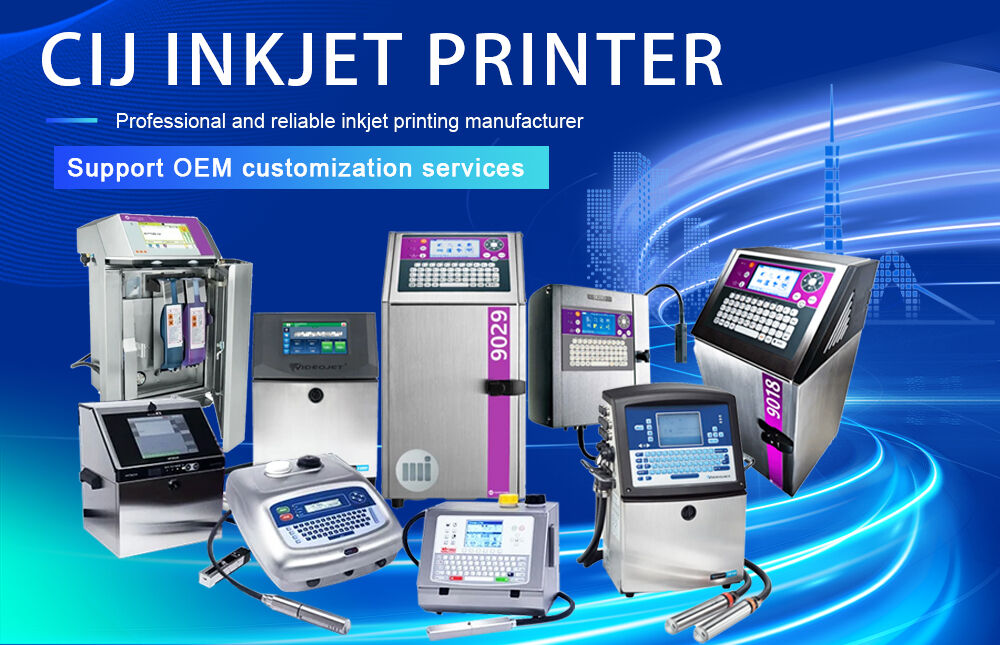
Continuous Inkjet (CIJ) Coding Machines: The Proven Standard for 24/7 Reliability
How CIJ technology achieves sustained uptime via non-contact, solvent-based jetting and robust industrial design
Continuous Inkjet or CIJ systems keep running without stopping because they use solvent based ink that circulates continuously along with those piezoelectric printhead components. Since there's no actual contact during printing, parts don't wear out mechanically as much. And when it comes to speed, these machines can handle pretty fast production rates, sometimes going over 300 meters per minute. Most industrial grade CIJ printers come built tough with at least IP55 protection against dust and water ingress, plus they have some sort of thermal management system working behind the scenes. This makes them work reliably even when conditions get tricky like in places where humidity is high, dust is everywhere, or temperatures fluctuate throughout the day. What really stands out about CIJ technology is how versatile it is for different materials. The solvent based inks stick well to both porous surfaces like cardboard and non porous ones such as glass, aluminum cans, and various types of plastic packaging. Plus the ink dries quickly so it won't smudge or fade under normal handling conditions. Another big advantage is the closed loop system that keeps ink circulating rather than letting it sit around and evaporate. This helps prevent those frustrating nozzle clogs that can slow down production lines, especially important for companies dealing with massive volumes in food and beverage manufacturing sectors.
Real-world performance: 99.2% operational uptime in high-speed FMCG lines — validated by industry reliability benchmarks
CIJ printers maintain impressive uptime of around 99.2% throughout long production cycles, which beats most other coding tech when running non-stop day after day. We've seen this reliability across multiple manufacturing sites too. One dairy plant ran continuously for 18 months straight without any unexpected shutdowns. The system comes with smart diagnostic tools that cut down on maintenance work by about two thirds, according to our records. And these machines keep up with super fast bottling lines, handling over 21 thousand products per minute without compromising code quality. Considering how expensive downtime can be for food manufacturers - sometimes hitting seven hundred forty thousand dollars a year as reported by Ponemon Institute back in 2023 - it's no wonder CIJ has become the go-to solution for critical packaging operations in the FMCG sector.
Thermal Inkjet (TIJ) and Continuous Thermal Inkjet (CTIJ) Coding Machines: Capabilities and Duty-Cycle Limits
TIJ vs. CTIJ architectures: Heat dissipation, printhead longevity, and why most TIJ systems are rated for <16 hrs/day in industrial settings
Thermal Inkjet or TIJ coding machines work by heating up tiny resistors really fast to push out ink droplets. This quick heating creates a lot of thermal stress on the printheads, which wears them down much faster when these machines run nonstop in industrial settings. Because of this wear issue, most serious industrial TIJ systems come with duty cycle limits usually capped at around 16 hours daily. Going beyond that risks overheating problems and early system failures. For factories needing continuous operation 24/7, this becomes a real limitation they have to work around somehow.
The Continuous Thermal Inkjet (CTIJ) systems tackle this problem through built-in cooling features and better fluid movement that keeps things from getting too hot. The improved designs actually make the printheads last anywhere from three to five times longer than what we see with regular TIJ units. According to what manufacturers report, around 8 out of 10 standard TIJ setups need those planned cool down breaks just to maintain decent print quality after running all day long for about twelve hours straight. CTIJ technology allows printing almost nonstop, which works well for longer work periods without constant interruptions. Still, it's worth noting that even CTIJ isn't quite as tough as Continuous Inkjet (CIJ) when dealing with real 24/7 operations at full speed in fast moving consumer goods production lines.
System-Level Reliability: How Integration, Diagnostics, and Maintenance Protocols Enable True 24/7 Coding Machine Uptime
PLC synchronization, predictive diagnostics, and remote monitoring — reducing MTTR by up to 67% in modern coding machine deployments
Getting reliable 24/7 coding performance requires both solid hardware and smart system integration. When PLCs stay synchronized, machines respond instantly to changes in production line speeds, which cuts down on those annoying timing errors and unexpected shutdowns that waste so much time. The predictive diagnostics feature keeps an eye on several critical factors at once including ink thickness, nozzle condition, air moisture levels, and room temperature. This early warning system catches problems before they actually happen. With remote monitoring tools now available, most tech support teams can fix around 8 out of 10 common issues without ever setting foot on site. Combine all these features and manufacturers typically see their repair times drop somewhere between 60 and 70 percent according to recent industry reports from packaging plants worldwide in 2024. These improvements make a huge difference when trying to maintain consistent output without constant downtime headaches.
Case study: Nestlé dairy line — 18-month CIJ coding machine runtime with zero unplanned stoppages after full system integration
A leading global dairy manufacturer achieved 18 months of uninterrupted CIJ coding on a high-speed production line following three strategic upgrades:
- Integrated PLC control: Synchronized coding triggers with filler and capper speeds to eliminate timing drift
- AI-driven diagnostics: Enabled predictive alerts for ink pump maintenance—replacing fixed-interval servicing
-
Remote firmware management: Allowed security updates and performance patches without halting production
This holistic integration—combining CIJ’s inherent hardware resilience with smart system architecture—demonstrates that sustained 24/7 uptime is achieved not by standalone components, but by end-to-end engineering alignment.
FAQ
What is CIJ technology?
Continuous Inkjet (CIJ) technology uses solvent-based inks that circulate continuously within the system, allowing for non-contact printing at high speeds and sustained uptime.
How do CIJ machines maintain high uptime?
CIJ machines maintain high uptime through robust industrial designs, smart diagnostics, thermal management systems, and closed-loop ink circulation that prevents nozzle clogs.
What are the limitations of Thermal Inkjet (TIJ) machines?
TIJ machines tend to wear down quickly due to thermal stress on printheads. They often have duty cycle limits of less than 16 hours, making them unsuitable for 24/7 industrial operations.
What advancements do CTIJ systems offer?
Continuous Thermal Inkjet (CTIJ) systems offer better printhead longevity features and cooling mechanisms to allow for longer operational periods compared to standard TIJ units.
Table of Contents
- Continuous Inkjet (CIJ) Coding Machines: The Proven Standard for 24/7 Reliability
- Thermal Inkjet (TIJ) and Continuous Thermal Inkjet (CTIJ) Coding Machines: Capabilities and Duty-Cycle Limits
- System-Level Reliability: How Integration, Diagnostics, and Maintenance Protocols Enable True 24/7 Coding Machine Uptime