EN
EN

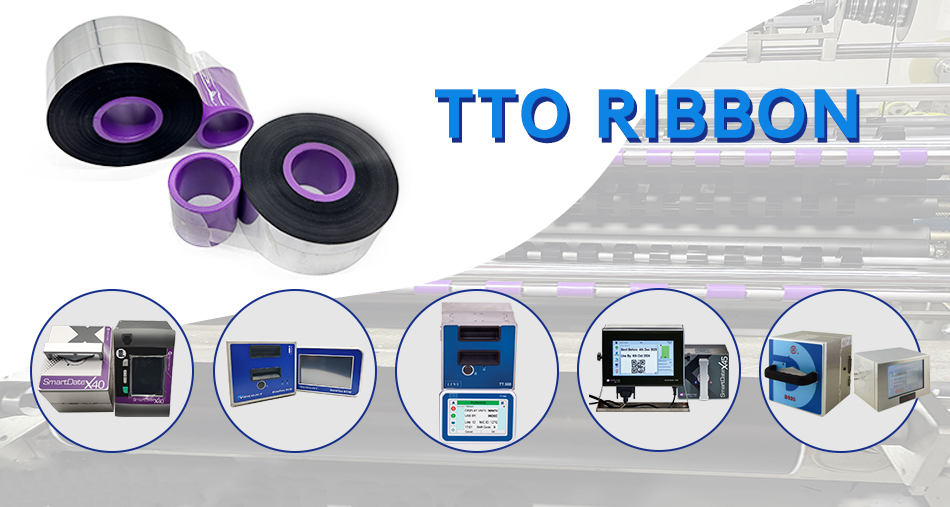
How Coding Foil Ribbon Compatibility Impacts Thermal Transfer Coder Performance
Critical Physical Parameters: Wind Direction, Core Size, and Take-Up Requirements
The performance of thermal transfer coders really hinges on how well the coding foil ribbons fit with the printers they work in. The wind direction matters a lot here too - whether it's coated side out (CSO) or coated side in (CSI) needs to line up exactly with what the printer expects. Get this wrong and watch out for ribbon jams or just plain failed prints. Then there's the core size thing. Most commonly we see 0.5 inch or 1 inch cores, but these need to match up with the printer spindles otherwise everything gets misaligned. And don't even get me started on take-up torque mismatches which can snap ribbons right in the middle of high speed printing operations. According to field reports from manufacturing floors, around 47 percent of all thermal transfer issues come down to simple dimensional mismatches between components, leading to roughly 15% more wasted materials. So before picking any ribbon, double check those spec sheets from manufacturers. It might seem tedious, but spending that extra time upfront saves headaches later when production lines are running hot.
Why Substrate-Specific Adhesion Demands Precision in Coding Foil Ribbon Selection
The type of substrate material really determines what kind of coding foil ribbon chemistry works best for good adhesion. Most paper labels stick well with wax ribbons, but when dealing with synthetic films we need special resin formulations to stop them from peeling off. Those metallic foils are another story altogether they need their own specific resins just to avoid flaking when rubbed or handled roughly. Getting these combinations wrong leads to big problems down the line. We've seen stats showing around 62% of those smudged barcodes in chemical settings come from mixing up the wrong ribbon and substrate combo. Environmental factors matter too high humidity levels, extreme temperatures, plus all those regulations like FDA 21 CFR Part 117 for food stuffs and ISO 15378 standards for meds packaging make this even trickier business. Take medical device packaging as one case study resin based ribbons are essential there because they let batch codes stay intact after going through autoclave sterilization processes. And remember folks always run some test samples first before full scale production. No shortcuts here if we want those labels staying readable from manufacturing right through to end use.
Matching Coding Foil Ribbon Chemistry to Application Demands: Wax, Wax-Resin, and Resin Formulations
Wax Ribbons: Economical Choice for Paper-Based Labels at Low-to-Medium Speeds
Wax ribbons typically contain either natural or synthetic waxes that act as binding agents, which makes them one of the cheapest options available for coding foil ribbons. These ribbons produce pretty good print results on paper materials such as those used for shipping labels, retail price tags, and inventory records, especially when running at slower speeds around 6 inches per second or below. The affordability factor works well for indoor applications that don't last long and don't need much durability, think warehouses or regular retail stores. But there's a catch. Wax ribbons just aren't tough enough against things like rubbing, high temperatures, or chemical exposure, so they won't hold up in damp areas or places where labels get bumped around a lot. Anyone who handles these labels often might notice them getting smudged easily, which is why they work fine for temporary tracking purposes but fall apart in tougher environments. An added bonus though is that since wax melts at lower temperatures, printers actually use less energy while running, which helps prolong the life of the print heads over time.
Wax-Resin Ribbons: Optimal Balance for Semi-Porous Substrates Requiring Smudge Resistance
Wax resin ribbons mix together wax and resin ingredients to create something between regular wax and full resin products. They work well on those tricky semi porous surfaces such as coated papers or matte synthetic materials that just won't take standard wax alone. What makes these hybrids special is their ability to resist smearing better than plain wax while still holding up when labels get bumped around or exposed to normal weather conditions. Think about things like tracking packages at warehouses, keeping track of perishables in cold storage, or putting labels on products meant for outside display areas. These mixed formulations stick reliably to whatever surface needs some protection from minor water splashes or frequent touching during handling operations. Printers can handle them at decent speeds too, not too fast but certainly faster than pure resin alternatives. Sure, wax resin costs more money upfront compared to basic wax options, but it saves cash in the long run since companies don't need to spend extra on expensive all resin solutions for every job. Food manufacturers and hospitals find this especially useful because their labels stay readable even after sitting in coolers for days without getting smeared up. That means fewer scanning errors and better inventory control across different departments.
Resin Ribbons: The Only Reliable Coding Foil Ribbon for Metallic Foils, Films, and Harsh-Environment Packaging
Resin ribbons depend on tough resins such as polyester or acrylic to stand up to really tough conditions. These ribbons work best when printing on surfaces that don't absorb ink easily, like metal foils, polyester films, and those plastic sheets called polypropylene. They perform exceptionally well where things get rough - think chemical exposure, temperatures reaching around 150 degrees Celsius, constant rubbing, and all sorts of outdoor weather. That's why we see them used so much in making car parts, medical equipment, electronic components, and even drug packaging boxes. The special makeup of these ribbons means printed codes stay visible even after being exposed to pretty brutal environments, without fading away or breaking down over time. Sure, printing with resin ribbons takes longer and costs more money compared to other options, but for many businesses this extra expense is worth it because the results last longer. Take the chemical industry for example. Here, labels need to survive contact with all kinds of solvents while still being legible months later during quality checks throughout the supply chain process.
Near-Edge (TTO) Coding Foil Ribbons for High-Speed Industrial Thermal Transfer Coders
Engineering Advantages of Near-Edge Ribbons: Heat Efficiency, Edge Sharpness, and Continuous-Feed Reliability
Industrial marking gets a major boost from near-edge TTO coding foil ribbons thanks to some clever engineering breakthroughs. Let's start with the angled print head design. This innovation focuses heat exactly where it needs to go at the point where ribbon meets material surface. What does that mean? Thermal transfer speeds jump between 40 to 60 percent over traditional flat head systems. Print speeds can hit anywhere from 26 to 55 inches per second while using less power overall. Another big plus comes from those precisely aligned heating elements creating edge definition around 200 to 300 DPI. That kind of detail matters when scanning codes on things like medicine packages or car components where readability is non-negotiable. The floating head system keeps pressure steady across different materials without needing constant tweaking. Works just as well on delicate plastic films as it does on rough corrugated boxes, so no more smudged prints or blurry characters. And don't forget about those special ink formulas that let the printed material peel away instantly at high speeds. This prevents those frustrating ribbon jams that can stop production cold. Manufacturers know downtime hurts business badly. According to Ponemon Institute research from 2023, every hour lost costs an average of $740,000 in data centers alone. When all these features work together, near-edge coding ribbons become indispensable for handling expiration dates, batch numbers, and regulatory labels in facilities running at full capacity day after day.
FAQ
What is the importance of coding foil ribbon compatibility in thermal transfer coders?
Coding foil ribbon compatibility is crucial because it prevents issues such as ribbon jams and failed prints by ensuring that ribbons fit with printer specifications, including wind direction, core size, and take-up requirements.
How do substrate materials affect coding foil ribbon selection?
Substrate materials determine the type of coding foil ribbon chemistry required for good adhesion. Paper labels typically work well with wax ribbons, while synthetic films and metallic foils need special resin formulations to prevent peeling or flaking.
What are the differences between wax, wax-resin, and resin ribbons?
Wax ribbons are economical for paper labels at low speeds but lack durability. Wax-resin ribbons are balanced for semi-porous substrates, offering better smudge resistance. Resin ribbons are the most durable, suitable for non-absorbent surfaces and harsh environments.
What advantages do near-edge TTO coding foil ribbons offer?
Near-edge TTO coding foil ribbons offer improved thermal transfer speeds, sharp edge definition, and reliability at high speeds, reducing the risk of ribbon jams and downtime in industrial applications.
Table of Contents
-
How Coding Foil Ribbon Compatibility Impacts Thermal Transfer Coder Performance
- Critical Physical Parameters: Wind Direction, Core Size, and Take-Up Requirements
- Why Substrate-Specific Adhesion Demands Precision in Coding Foil Ribbon Selection
- Matching Coding Foil Ribbon Chemistry to Application Demands: Wax, Wax-Resin, and Resin Formulations
- Near-Edge (TTO) Coding Foil Ribbons for High-Speed Industrial Thermal Transfer Coders
- FAQ