EN
EN

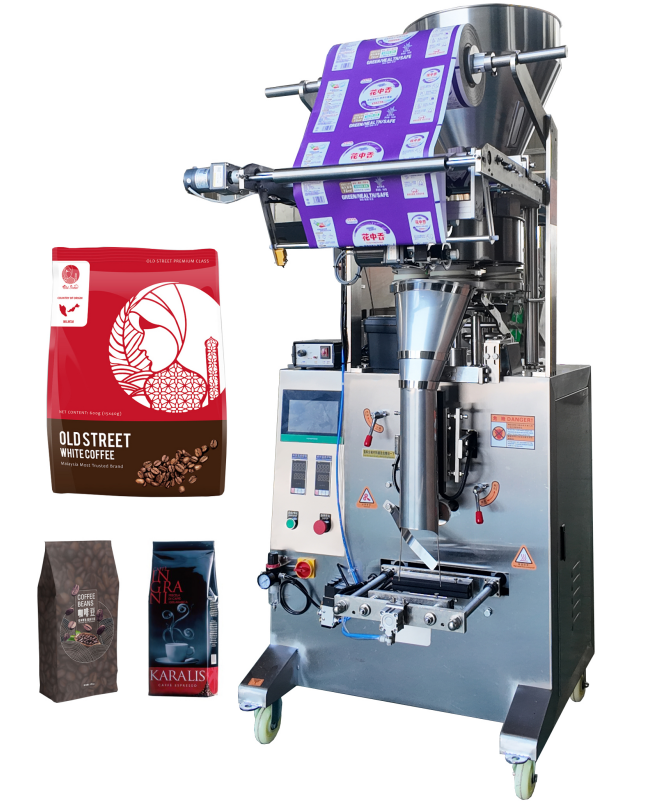
Food and Beverage Industry: High-Speed, Hygienic Packaging with Automation
In the food and beverage industry, companies turn to automated packaging solutions because they need to keep things clean and handle massive volumes all day long. Looking ahead, market research indicates significant growth for packaging automation, with estimates suggesting around 8.5 percent annual increase until 2033 according to PR Newswire from last year. As a result, many producers are now investing in machinery that reduces direct worker interaction while still running at impressive rates between 300 to 500 items every single minute. This trend makes sense when considering both safety requirements and the sheer scale of operations in modern food processing facilities.
How Packaging Automation Meets Hygiene and Throughput Demands in Food Production
Automated systems reduce contamination risks by up to 94% in environments handling ready-to-eat meals and perishables (LinkedIn 2024). In one real-world example, a Midwest bakery increased output by 70% and achieved ISO 22000 food safety certification after implementing robotic pick-and-place, wrapping, and labeling equipment—demonstrating how automation supports both productivity and compliance.
Flexible Packaging Machines for Diverse Food Product Formats
Modern packaging machines adapt to irregular items like artisan breads and pre-cut vegetables using advanced technologies such as:
- Retort pouches with ±0.5g filling accuracy
- Modified atmosphere packaging (MAP) systems that extend shelf life for fresh produce
- AI-guided vision systems that dynamically adjust to variations in product size and shape
These capabilities enable consistent performance across diverse product lines without sacrificing speed or quality.
Trends in FMCG Packaging Automation: Speed, Sustainability, and Smart Controls
The industry is moving fast towards saving energy and using greener materials these days. According to Market Research Intellect from last year, around two thirds of food companies have started using smart machines connected to the internet to keep track of their carbon emissions. These central control systems let workers change packaging styles in less than three minutes flat. That kind of speed matters a lot when making small batches of special products, something that contributes about 22 percent to overall growth in this field. Being able to pivot so quickly means factories can react faster to what customers want without throwing away resources or sitting idle waiting for changes.
Pharmaceutical Industry: Ensuring Precision, Safety, and Compliance
The critical role of automated packaging in drug traceability and patient safety
Getting automated packaging in place has become pretty much necessary if companies want to comply with all those pharmaceutical traceability rules, especially stuff like the U.S. Drug Supply Chain Security Act. When manufacturers install these integrated vision systems along with barcode scanners, they see a massive drop in labeling mistakes – somewhere around 99.6% less than what happens when people do it manually according to PharmTech's report last year. These advanced setups actually put unique digital codes right into the packaging itself. This allows for tracking products as they move through the whole supply chain from factory floor straight to pharmacy shelves, thanks to these new blockchain platforms that are starting to gain traction across the industry.
Benefits of automation in sterile environments and regulated workflows
In ISO Class 5 cleanrooms, automated packaging maintains sterility through:
- Robotic material handling that eliminates human intervention
- Machine designs optimized for airflow to minimize particulate generation
- Automatic environmental monitoring with FDA 21 CFR Part 11-compliant data logging
A 2024 study of injectable drug packaging showed automated systems reduced microbial contamination by 83% compared to semi-automated methods and achieved 98.7% first-pass quality compliance.
Case study: Blister packing and labeling automation in pharmaceutical lines
A European generics manufacturer deployed a fully automated blister packaging system with the following outcomes:
| Feature | Performance Gain |
|---|---|
| AI-based visual inspection | 99.9% defect detection |
| Integrated leaflet insertion | 40% faster than manual |
| Multi-language labeling | 12 regional variants per hour |
The system ensured 100% compliance with EU Falsified Medicines Directive requirements and cut annual packaging-related recalls from 1.2% to 0.05%.
Semi-automated vs. fully automated systems: Balancing cost and compliance
Fully automated lines require a 2.3x higher initial investment than semi-automated setups (IMA Group 2023), but offer superior regulatory performance for high-risk medications:
- 76% fewer deviation events in FDA audits
- 58% faster batch record review cycles
- Automated changeover between Schedule II-V drug formats
For small-batch therapies, hybrid systems combining automated verification with manual loading provide a cost-effective path to compliance with 21 CFR 211.130 requirements.
Cosmetics and Nutraceuticals: Combining Aesthetics, Flexibility, and Regulation
Automated Packaging for Premium Cosmetic Products: Speed Without Sacrificing Brand Image
High end beauty companies rely on automated production systems that balance fast processing speeds with meticulous finishing touches to maintain their signature look. The modular machinery can tackle those fancy, irregularly shaped bottles we see so often in premium skincare and perfume collections, churning out around 150 to 200 items every minute. What's interesting is how these manufacturing setups are increasingly incorporating green practices too. Many now prioritize using materials that can be recycled or will break down naturally, something that really resonates with customers across Europe where there are strict regulations about environmentally friendly packaging solutions according to recent research from MDPI in 2024.
Automatic Cartoning and Labeling in Skincare and Fragrance Lines
AI-powered vision inspection systems detect packaging defects in real time, reducing waste by up to 20% during high-volume runs. Modern cartoning machines accommodate varied formats—from slim serum boxes to multi-component gift sets—while ensuring accurate batch coding for regulatory traceability.
Nutraceutical Packaging: Bridging Food-Like Volumes With Pharma-Level Compliance
Nutraceutical producers must scale like food manufacturers while adhering to pharmaceutical-grade standards. Automated blister packaging lines achieve 300–400 cycles per minute and include serialized anti-counterfeiting features. For emerging formulations like nanomaterial-based supplements, integrated inspection systems are recommended to verify capsule integrity and ingredient homogeneity (Diversa Technologies, 2023).
Flexible Packaging Machines for Tablets, Powders, and Capsules in Supplement Production
Adaptable VFFS (vertical form-fill-seal) machines dominate supplement packaging, switching seamlessly between powder sachets, tablet bottles, and softgel pouches with ±1% filling accuracy. Their flexibility reduces cross-contamination risk—a key benefit cited by 78% of supplement manufacturers.
Consumer Goods and FMCG: Scaling Production with Packaging Machine Efficiency
High-Volume Packaging Automation for Household and Retail Products
Fast moving consumer goods companies rely heavily on automation to keep up with production demands that often top 500k units per day across products ranging from laundry pods to snack packaging. When humans handle tasks like filling containers or applying labels, things tend to slow down and errors creep in. Automated systems fix this problem by handling those repetitive jobs consistently even when pressure mounts on the factory floor. A McKinsey study from last year found some pretty impressive numbers too: fully automated lines run about 23 percent quicker between cycles compared to partially automated setups, while also cutting defects by around 18%. This means companies can scale their output without hiring tons of extra staff, something that really matters in industries where prices are always under scrutiny.
Key Equipment Types: Fillers, Sealers, and Automatic Case Packers
Core equipment in high-speed FMCG packaging includes:
- Vertical form-fill-seal machines: Package powders and liquids at up to 200 bags/minute
- Thermal transfer sealers: Deliver airtight seals for moisture-sensitive goods like pet food
- Robotic case packers: Palletize over 120 cases/hour with less than 0.5% misalignment
IoT integration in these machines provides real-time insights into output and maintenance needs, cutting unplanned downtime by 34% based on packaging line audits.
Data Insight: 67% Productivity Increase in FMCG Lines Post-Automation (McKinsey, 2022)
Analysis of 42 FMCG facilities revealed that full automation boosted throughput from 82 to 137 units per labor hour—a 67% gain. This improvement stems from:
- Continuous operation unaffected by shift changes
- Precise material usage, reducing plastic waste by 4.2% versus manual methods
- Rapid format changeovers via programmable logic controllers
When combined with demand forecasting algorithms, these systems helped companies reduce stockouts by 19% and maintain 99.3% order accuracy—enabling profitable service of mass retailers and responsiveness to seasonal demand spikes.
Cross-Industry Trends: The Future of Packaging Machine Adoption
Common Drivers: Efficiency, Consistency, Scalability Across Sectors
What drives companies toward packaging automation? Three main factors stand out across industries: reducing mistakes made by people, cutting down on production costs per item, and making it easier to scale operations quickly when needed. A report from McKinsey back in 2022 showed something pretty impressive too – fast moving consumer goods manufacturers saw their output jump by around two thirds after fixing those pesky bottlenecks in their processes. For pharmaceutical firms, they've turned to advanced camera systems that spot defects almost instantly, keeping quality control at extremely high levels. Meanwhile food companies rely heavily on automated solutions during peak seasons when demand spikes suddenly, eliminating the need to hire temporary staff just before holiday rushes or special events.
Emerging Trend: AI and IoT Integration in Intelligent Packaging Systems
Next-generation machines integrate AI and IoT for predictive maintenance and self-optimization. Smart sensors in cosmetic lines adjust sealing temperatures based on material thickness, reducing waste by 12–18% (industry reports, 2023). IoT-connected systems allow centralized monitoring of multi-site throughput, while AI optimizes energy consumption during low-demand periods.
Strategic Guidance: Choosing the Right Level of Automation by Industry Needs
When thinking about automation strategies, companies need to consider how complex their products are and what regulations they must follow. For big volume fast moving consumer goods operations, full automation makes sense with rotary fillers that can handle around 3,000 units per hour. Nutraceutical companies often go with semi automated blister packaging lines since this balances regulatory requirements with budget constraints. There's also value in taking a step by step approach. Startups usually begin with modular systems while larger businesses invest in fully integrated production lines for growth potential down the road. What matters most when making these decisions? Look at return on investment which generally takes between two to four years to materialize. Machine reliability is another factor worth considering, aiming for at least 95% uptime during continuous operation periods. And don't forget about flexibility for when packaging designs inevitably change in the future.
FAQ
Q: Why is packaging automation important in the food and beverage industry?
A: Packaging automation is crucial for hygiene maintenance and handling high volumes. It minimizes contamination risks and supports high throughput, which is essential for meeting safety standards and operational scale.
Q: What role does automation play in pharmaceutical packaging?
A: In pharmaceuticals, automation ensures precision and compliance, drastically reducing human error in labeling and improving drug traceability and patient safety.
Q: How does automation benefit the cosmetics industry?
A: Cosmetics industry automation balances processing speeds with brand image perseverance, managing diverse formats and incorporating environmentally friendly practices.
Q: What are some emerging trends in packaging automation?
A: Emerging trends include integrating AI and IoT for predictive maintenance, optimizing energy consumption, and enhancing the efficiency of intelligent packaging systems.
Table of Contents
- Food and Beverage Industry: High-Speed, Hygienic Packaging with Automation
-
Pharmaceutical Industry: Ensuring Precision, Safety, and Compliance
- The critical role of automated packaging in drug traceability and patient safety
- Benefits of automation in sterile environments and regulated workflows
- Case study: Blister packing and labeling automation in pharmaceutical lines
- Semi-automated vs. fully automated systems: Balancing cost and compliance
-
Cosmetics and Nutraceuticals: Combining Aesthetics, Flexibility, and Regulation
- Automated Packaging for Premium Cosmetic Products: Speed Without Sacrificing Brand Image
- Automatic Cartoning and Labeling in Skincare and Fragrance Lines
- Nutraceutical Packaging: Bridging Food-Like Volumes With Pharma-Level Compliance
- Flexible Packaging Machines for Tablets, Powders, and Capsules in Supplement Production
- Consumer Goods and FMCG: Scaling Production with Packaging Machine Efficiency
- Cross-Industry Trends: The Future of Packaging Machine Adoption
- FAQ