EN
EN

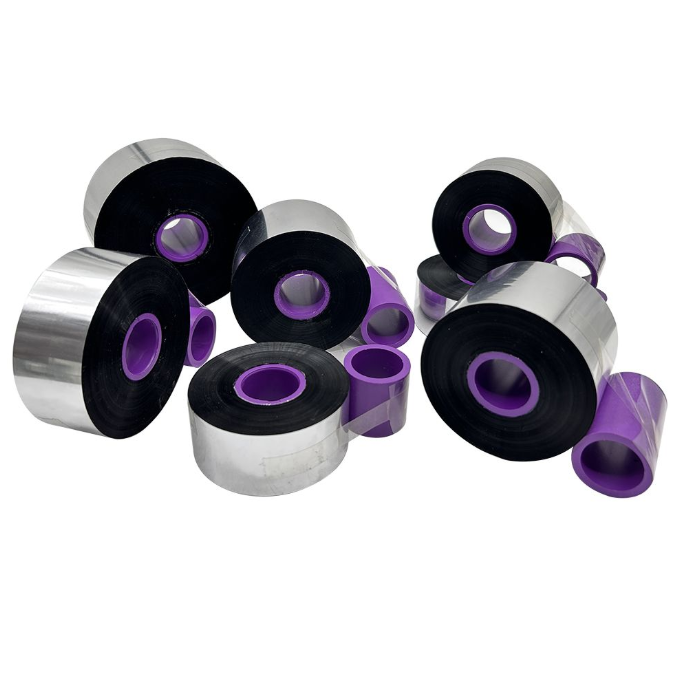
Environmental and Safety Compliance: RoHS, REACH, and Hazardous Substance Control
RoHS 2.0 and REACH Compliance for Hazardous Substances in Coding Foil Ribbon Production
Today's coding foil ribbons need to meet RoHS 2.0 standards (the Restriction of Hazardous Substances Directive from 2011/65/EU) along with REACH regulations (EC Regulation 1907/2006) to cut down on environmental damage and health hazards. Under RoHS 2.0, there are strict limits on six dangerous materials including lead, mercury, cadmium, hexavalent chromium, PBBs, and PBDEs in electronics like thermal transfer ribbons. Then there's REACH which adds another layer of protection by making manufacturers check for SVHCs (Substances of Very High Concern) and share chemical information across their entire supply chain. A recent compliance study from 2023 showed something interesting too: companies that switched to certified coding foil ribbons saw around 40% fewer problems with non-compliance compared to when they used products without proper certification. That makes a real difference in operations and risk management.
How RoHS 2.0 Restricts Heavy Metals and Halogens in Thermal Transfer Ribbon Materials
In 2021, there was an update to RoHS 2.0 that made things stricter regarding brominated flame retardants which must stay below 0.1% by weight, plus certain phthalates found in those ribbon adhesives we all know about. Because of this change, most manufacturers have switched over to lead-free solder coatings when bonding ribbons to substrates these days. Some recent research has shown something interesting too: halogen-free thermal ribbons actually perform just as well in terms of how long prints last, but they don't release chlorine or fluorine when printed at high temperatures. This means waste materials can be disposed of safely and recycled without causing environmental harm down the line.
REACH SVHC Screening and Its Impact on Coding Foil Ribbon Supply Chains
The "No Data, No Market" rule from REACH means companies risk stopping production or losing access to markets if they don't screen for SVHC substances properly. Take ortho-phthalates for instance these chemicals often go into making flexible ribbon resins but have been banned by REACH Annex XVII because they mess with hormone systems in humans. Many suppliers find that working with labs certified under ISO 17025 standards speeds things along quite a bit actually getting materials approved around 30 percent faster than usual. This makes all the difference when it comes to keeping operations running smoothly especially important areas such as labels for medicines where delays just aren't acceptable.
Barcode Print Quality and Durability: GS1 and ISO/IEC 15416 Standards
GS1 and ISO/IEC 15416 Barcode Print Quality Standards for Coding Foil Ribbons
For global tracking purposes, coding foil ribbons need to comply with both GS1 and ISO/IEC 15416 standards. These standards set out important specs like at least 40% contrast for reflectance, about 0.1mm tolerance for edge clarity, and grading from A to F for how well they can be decoded. The GS1 General Specs basically tell what kind of symbols are needed for those retail tags and medical labels we see everywhere. Meanwhile, the ISO/IEC 15416 standard gets into the nitty gritty details about testing these symbols when everything is controlled properly in labs. When manufacturers don't follow these rules, their ribbons might end up making barcodes that only work about 80% of the time at checkout counters, which creates all sorts of problems for businesses trying to track inventory accurately.
Grading Reflectance, Contrast, and Edge Definition in Thermal-Printed Barcodes
Compliant ribbons maintain print integrity after accelerated aging tests (72 hours at 60ºC and 85% relative humidity), showing less than 15% contrast loss. In regulated sectors like pharmaceuticals, coding foil ribbons must achieve at least a Grade B (≥2.5/4.0) across all ISO 15416 parameters to support serialization and regulatory compliance.
Case Study: Improving Scan Success Rates With Compliant Coding Foil Ribbon Selection
A European pharmaceutical supplier improved scanner performance by switching to ISO 15416-compliant ribbons, reducing scanner errors by 63%. Print contrast uniformity improved significantly, with standard deviation decreasing from 0.12 to 0.03 across one million labels, enhancing reliability in automated distribution centers.
Trend Analysis: Increasing Regulatory Scrutiny on Traceability in Pharmaceutical Labeling
With the FDA's 2024 enforcement phase of the Drug Supply Chain Security Act (DSCSA), 89% of drug manufacturers have adopted GS1-validated coding foil ribbons for primary packaging—marking a 22% year-over-year increase in demand for compliant materials.
Thermal Transfer Ribbon Performance Standards by Material Type
Industry-Specific Requirements for Resin-Based Coding Foil Ribbons in Harsh Environments
Resin based coding foil ribbons stand up really well against harsh stuff like chemicals, oils, solvents and even extreme heat, which is why they work so great in automotive parts packaging, chemical containers and various industrial applications. Tests show these ribbons keep their readability at around 98.7 percent after sitting for 1,200 hours at 70 degrees Celsius, passing those tough ASTM D6866 aging tests that manufacturers care about. For pharmaceutical companies especially, there's another consideration too. Many need these resin ribbons to function properly inside ISO Class 8 cleanrooms where any tiny particles could ruin batches of medication during vial labeling operations.
Balancing Cost and Durability: Wax-Resin Ribbons Under ISO and GS1 Guidelines
Hybrid wax resin ribbons offer budget friendly alternatives that still hit the GS1 reflectance mark at least 40% contrast while cutting material expenses somewhere between 22% and 29% when compared against pure resin counterparts. These products need to pass the ISO 20248 standard too, which means showing off an adhesive strength above 3.5 Newtons per 25 millimeters. This kind of grip makes them last through those really cold supply chains all the way down to minus 30 degrees Celsius. But for anything that touches food directly, most companies stick with just plain resin formulas because there are much tighter rules about chemical migration and overall safety concerns in those situations.
Near-Edge vs. Full-Edge Thermal Printing: Implications for Compliance and Ribbon Choice
Thermal printheads with full edges really cut down on ribbon waste, making them about 15 to 20 percent more efficient overall. This kind of efficiency helps facilities certified under ISO 14001 meet their environmental targets much easier. On the other hand, near-edge systems aren't quite as good with ribbon conservation but shine where extreme precision matters most. They work great for things like printing variable data that needs to comply with FDA regulations (specifically 21 CFR Part 11) on medical equipment labels. These systems can keep track of position within half a millimeter accuracy even after printing tens of thousands of times straight through. No matter which type gets used though, both have to follow IEC 60454-3 guidelines whenever they print onto materials that block electricity flow, something common when marking wires or cables throughout manufacturing processes.
Quality and Environmental Management Systems in Coding Foil Ribbon Manufacturing
ISO 9001, ISO 14001, and ISO 45001 Certifications in Coding Foil Ribbon Production
The best manufacturing companies follow ISO 9001, ISO 14001, and ISO 45001 standards because they want consistent products, green practices, and safe working conditions. Let's break it down. With ISO 9001, most top manufacturers keep their product variations under 2% from one batch to another. For coatings work, ISO 14001 requires factories to recover at least 98% of solvents used during production processes. And then there's ISO 45001 which has made workplaces safer. Factories dealing with high heat saw about 40% fewer accidents after implementing this standard, as reported in last year's Manufacturing Safety Report. These aren't just numbers on paper either. They represent real improvements in how plants operate day to day.
How ISO 9001 Ensures Consistency in Thermal Transfer Ribbon Performance
ISO 9001’s seven-clause framework drives consistent output through rigorous process control:
- Material rheology control: Maintains ±5% viscosity tolerance in molten ribbon substrates
- Coating thickness uniformity: Laser-guided systems apply layers with 0.2µm precision
- Bond strength verification: Over 300 peel tests per lot follow ASTM F2252 protocols
This structured approach reduces barcode print failures by 62% compared to non-certified production methods.
Environmental Stewardship Through ISO 14001-Certified Ribbon Manufacturing
ISO 14001-certified plants achieve up to 92% closed-loop material reuse through sustainable practices:
| Initiative | Impact Metric | Implementation Rate |
|---|---|---|
| Solvent recovery | 15% reduction in VOC emissions | 89% of facilities |
| Scrap ribbon recycling | 27% raw material cost savings | 94% of manufacturers |
| Energy-efficient coating | 18% lower kWh per ribbon meter | Industry standard |
Third-party audits confirm these initiatives eliminate an average of 3.2 tons of waste annually per production line without compromising GS1-grade print performance.
FAQ
What is the difference between RoHS and REACH compliance?
RoHS compliance restricts specific hazardous substances in electronic equipment, while REACH focuses on chemical safety through the assessment of Substances of Very High Concern (SVHC), requiring data sharing across supply chains.
Why are ISO 9001, ISO 14001, and ISO 45001 important in manufacturing?
These standards ensure product consistency, environmental sustainability, and workplace safety. ISO 9001 ensures quality control, ISO 14001 promotes environmental management, and ISO 45001 enhances occupational health and safety.
How do GS1 and ISO/IEC 15416 standards affect barcode quality?
They ensure barcode readability and accuracy by setting guidelines for contrast, edge definition, and decoding ability, critical for global tracking and inventory management.
Table of Contents
- Environmental and Safety Compliance: RoHS, REACH, and Hazardous Substance Control
-
Barcode Print Quality and Durability: GS1 and ISO/IEC 15416 Standards
- GS1 and ISO/IEC 15416 Barcode Print Quality Standards for Coding Foil Ribbons
- Grading Reflectance, Contrast, and Edge Definition in Thermal-Printed Barcodes
- Case Study: Improving Scan Success Rates With Compliant Coding Foil Ribbon Selection
- Trend Analysis: Increasing Regulatory Scrutiny on Traceability in Pharmaceutical Labeling
- Thermal Transfer Ribbon Performance Standards by Material Type
- Quality and Environmental Management Systems in Coding Foil Ribbon Manufacturing
- FAQ