EN
EN

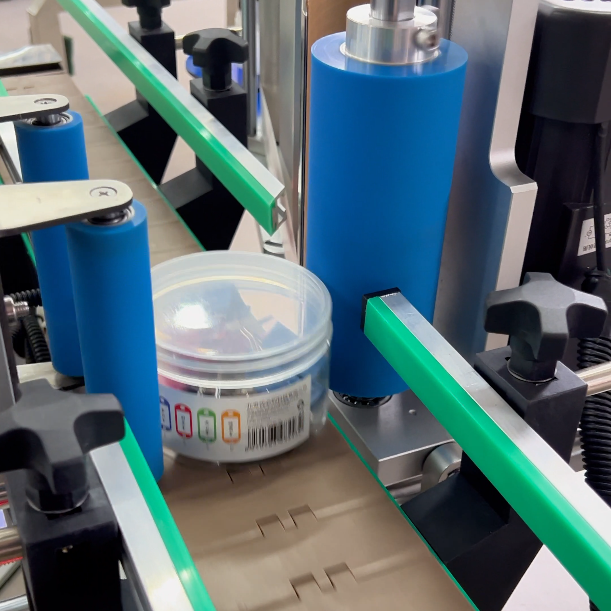
Food & Beverage Industry: High-Speed, Compliance-Focused Labeling at Scale
Meeting Regulatory Standards for Nutritional Facts, Allergens, and Expiry Dates
Sticking to FDA rules and global labeling standards isn't optional for anyone making food or drinks. Getting those nutritional facts right, putting allergen warnings where they belong, and making sure expiry dates are clearly visible can mean the difference between safe products and expensive problems. We're talking about recall costs that typically run around $740,000 each time according to a study from Ponemon Institute back in 2023. That's why many plants now rely on automatic systems for cylindrical bottles. These machines place labels so accurately that important details stay visible even after packaging. The system works within about half a millimeter tolerance which might sound tiny but makes all the difference when thousands of products roll off the line daily. Such precision keeps companies out of trouble with regulators while still allowing for changes like updating batch numbers or adjusting best before dates. Most facilities report compliance rates hovering near 99.8% when using these automated solutions rather than risking human errors during manual labeling processes.
Case Study: Automated Label Placement on Glass Beer Bottles with 0.5mm Positional Tolerance
One major brewery recently solved their ongoing problem with labels not lining up properly by installing an automated cylindrical bottle positioning labeler on their glass bottle production line. The system's vision guided sensors kept things spot on with just half a millimeter tolerance across around 12 thousand bottles every hour, which actually beat what humans could do by almost 92 percent. They also tackled the condensation issues that happened when filling bottles cold by adjusting how much adhesive was applied, cutting down wasted labels by about 30 percent each year. As a bonus, the whole system would catch tiny mistakes as they happened, so production stopped running into problems as often. This cut downtime by roughly 40%, all while keeping those fancy brand logos looking sharp and ensuring everything met those tough regulations about how full bottles needed to be.
Adapting to Diverse Formats: Water, Juice, Craft Soda, and Kombucha Packaging Lines
Beverage labeling today needs to handle all sorts of containers, from those skinny PET water bottles we see everywhere to the big mouthed jars that hold kombucha. The new automatic cylindrical bottle labeler can work with over fifteen different container shapes thanks to its quick change tools and smart programming system. What makes this machine stand out? Well, it adjusts pressure settings when dealing with fragile glass bottles compared to tough PET plastic ones. For carbonated craft sodas running on production lines, the machine matches speeds dynamically so labels stick properly. And there's that full 360 degree wrapping feature that works great for those dark probiotic drinks where visibility isn't important. All these capabilities mean switching between products takes less than five minutes most of the time, which is pretty impressive considering the machine maintains around 98 percent accuracy even when handling sticky viscous liquids or fizzy carbonated beverages.
Balancing Speed and Accuracy in Hot-Fill vs. Cold-Fill Production Environments
Temperature extremes pose distinct labeling challenges: hot-fill processes (85°C+) risk adhesive failure, while cold-fill condensation causes bubbling and poor adhesion. Advanced automatic cylindrical bottle positioning labelers resolve both through purpose-built surface preparation and material engineering:
| Environment | Solution | Result |
|---|---|---|
| Hot-fill | Thermo-resistant adhesives | 0% peel rate at 90°C |
| Cold-fill | Moisture-wicking primers | 99.9% bubble-free adhesion |
| Infrared pre-treatment zones prepare surfaces before application, enabling throughput of 400+ bottles/minute without sacrificing 0.3mm placement accuracy—preventing bottlenecks in dual-temperature facilities. |
Pharmaceutical Industry: Precision, Traceability, and GMP Compliance
Meeting FDA 21 CFR Part 11 and EU Annex 11 for Batch-Specific Label Verification
The rules around pharmaceutical labeling are pretty strict according to FDA regulations 21 CFR Part 11 and EU Annex 11. These guidelines basically require that electronic records stay intact, proper audit trails exist, and there's verification specific to each batch to stop those dangerous medication mix-ups. When companies use an automatic labeler for cylindrical bottles, they get much better control over where labels go on packaging. Plus these machines work really well with existing track and trace systems throughout the facility. What this means in practice is that important info like how much medicine to take, when it expires, and what batch number it belongs to gets checked right away during production. This kind of real time checking helps manufacturers stay compliant with GMP standards and keeps everything running smoothly across international supply chains without hiccups.
Data Point: 92% Reduction in Label Misalignment Errors with Automatic Cylindrical Bottle Positioning Labeler (Pilot Study, 2023)
In 2023, a test run at one of the leading pharmaceutical companies showed amazing results after they put in place automated optical checks for labels. They saw almost a 92 percent drop in those pesky alignment mistakes. The new system could spot problems down to just 0.2 millimeters even when things were moving fast on the production line. That kind of detail matters a lot because getting labels right isn't just about looking good it's literally about keeping patients safe and making sure life saving drugs get out on time without any hiccups. For manufacturers dealing with strict regulations, this level of accuracy makes all the difference between smooth operations and potential headaches from regulators or having to pull products off shelves.
Human-in-the-Loop vs. Fully Automated Label Registration: A Compliance Trade-Off
Pharmaceutical companies weigh operational control against regulatory consistency when selecting labeling architectures:
- Human-in-the-loop systems allow operator intervention but introduce variability during sustained high-volume runs
- Fully automated registration, powered by integrated vision systems and robotic placement, delivers repeatable GMP compliance
- Validation effort increases by 40% for hybrid systems, according to industry benchmarks (ISPE, 2022)
Automated solutions eliminate manual handling risks while generating immutable audit trails required under Annex 11—reducing human error potential by 78% in critical labeling steps.
Cosmetics and Personal Care: Ensuring Aesthetic Precision and Brand Consistency
Achieving ±0.3° Angular Tolerance for Premium Skincare and Perfume Bottle Labeling
For luxury cosmetics brands, how labels sit on products really affects what customers think about quality and brand value. Take those fancy skincare jars and perfume bottles - they need labels aligned just right. Automatic cylindrical bottle positioners can get within about half a degree angle accuracy, which matters a lot because even small shifts in label placement make consumers toss products back onto shelves. The machines actually have smart vision tech that spots when bottles rotate during labeling, especially tricky ones like ribbed glass containers. These systems then tweak their applicator heads so logos stay straight, ingredient lists don't slant, and all those fancy decorative elements look perfect. What this means is no more hand correcting labels after application, and studies from Packaging Digest show these fully automated systems cut down waste by around 27% versus older semi-automated methods.
Case Study: 360° Seamless Wraparound Labeling on Frosted Glass Serum Vials
One high end skincare company recently switched to an automated cylindrical bottle labeler for their frosted glass serum containers. These bottles needed labels that stuck perfectly all around without any bubbles or gaps showing through the frosted glass. Regular labeling machines just couldn't handle the matte finish which made the labels lift at the edges over time. What worked best was a system with special rollers that pressed down evenly as the bottles spun around. They also added infrared sensors along the production line to check each label's quality while moving at about 120 feet per minute. The outcome? Almost no defects now, with labels so seamless they disappear against the glass. This keeps the clean look the brand is known for and speeds up production by roughly 40%, making both customers and factory managers happy.
Chemical and Agrochemical Sector: Durable, Accurate Labeling for Hazard Communication
GHS Pictogram and UN Number Placement on HDPE Cylindrical Containers
Getting hazard labels right matters a lot when dealing with chemical drums and agrochemical containers. Automatic labelers designed for cylindrical bottles make sure those important GHS pictograms along with UN numbers land exactly where they need to be on those curved HDPE surfaces. We're talking about tolerances as tight as half a millimeter either way. This meets all the requirements set by OSHA's Hazard Communication Standard and helps companies avoid getting hit with fines that can go over fifteen thousand dollars each time there's a problem. Now HDPE has this tricky texture and doesn't really want stickers to stick to it naturally. That's why industrial strength acrylates are used these days. These special formulas hold up even when exposed to solvents, UV light, and extreme temperatures ranging from minus twenty degrees Celsius up to eighty degrees. Manual labeling just can't match what automated systems do here. Tests show around 99.7 percent of labels stay readable after sitting on shelves for eighteen months. And that makes all the difference when transporting and storing dangerous stuff like flammable materials, corrosive chemicals, and poisons.
| Labeling Challenge | Manual Process Risk | Automated Solution |
|---|---|---|
| GHS Pictogram Placement | 34% alignment errors | <0.3° rotational deviation |
| UN Number Readability | Smudging during transit | Chemical-resistant laminate |
| Container Surface | Adhesive failure | HDPE-optimized adhesion matrix |
Emerging Markets: CBD, Probiotics, and Functional Beverages Driving Labeling Innovation
Navigating Regulatory Gray Zones: THC/CBD Disclosure, CFU Counts, and Clean Label Design
The new wave of products like CBD drinks, probiotic shots, and all sorts of functional beverages faces a tough regulatory environment where getting labels right isn't just important - it's absolutely essential. Automatic labelers that position cylindrical bottles precisely help companies comply with those tricky THC/CBD rules down to within 0.3mm accuracy. These machines handle everything from placing CFU counts correctly on probiotic packaging to making sure ingredient lists stay simple and sustainability badges appear exactly where they should. According to Food Marketing Institute data from last year, around 4 out of 10 recalls for functional drinks come from labeling mistakes. Automated systems fix this problem by aligning labels perfectly even on oddly shaped containers and adjusting quickly when regulations change overnight.
FAQ Section
Why is precise labeling important in the food and beverage industry?
Precise labeling is crucial to ensure compliance with FDA rules and global standards, preventing costly recalls and ensuring consumer safety.
What are the benefits of automated labeling systems in the pharmaceutical industry?
Automated labeling systems offer precise control, reduce misalignment errors, and help maintain compliance with strict regulations like FDA 21 CFR Part 11 and EU Annex 11.
How do automatic labelers adapt to different container shapes?
Automated labelers use smart programming and quick change tools to handle various container shapes and materials, maintaining high accuracy and efficiency.
What challenges do labeling systems face in hot-fill and cold-fill environments?
Hot-filling can cause adhesive failure due to high temperatures, while cold-filling can lead to bubbling. Automated systems use specialized adhesives and primers to overcome these issues.
Table of Contents
-
Food & Beverage Industry: High-Speed, Compliance-Focused Labeling at Scale
- Meeting Regulatory Standards for Nutritional Facts, Allergens, and Expiry Dates
- Case Study: Automated Label Placement on Glass Beer Bottles with 0.5mm Positional Tolerance
- Adapting to Diverse Formats: Water, Juice, Craft Soda, and Kombucha Packaging Lines
- Balancing Speed and Accuracy in Hot-Fill vs. Cold-Fill Production Environments
- Pharmaceutical Industry: Precision, Traceability, and GMP Compliance
- Cosmetics and Personal Care: Ensuring Aesthetic Precision and Brand Consistency
- Chemical and Agrochemical Sector: Durable, Accurate Labeling for Hazard Communication
- Emerging Markets: CBD, Probiotics, and Functional Beverages Driving Labeling Innovation
- FAQ Section