EN
EN

Regulatory Compliance and Quality Assurance in Pharma Labeling
Meeting GMP, FDA, and ISO Standards with Automatic Roll-On Labeling Machines
Drug makers have to follow strict rules set by agencies like the FDA and EMA worldwide, which means sticking closely to standards such as GMP, ISO 9001, and ISO 13485. Automatic roll-on labelers help companies stay compliant because they create processes that can be tracked, repeated, and proven through validation. These labeling systems leave behind detailed digital records showing things like batch numbers, when labels were applied, how much pressure was used, machine speeds, and where exactly each label lands on packaging. This kind of documentation gives regulators concrete proof during audits that procedures are being followed consistently. Optical sensors built into these machines check if labels are there, facing the right way, and positioned correctly while production runs, automatically stopping any packages that don't meet specifications before they get further along the line. Why does all this matter? Well, according to data from last year's FDA report on drug recalls, almost a quarter of all recalls happened because of labeling problems. That's why getting those labels right isn't just nice to have anymore it's basically table stakes for staying in business within the industry.
Label Accuracy, Legibility, and Adhesion as Non-Negotiable Quality Metrics
Pharma labels need to hit three main quality targets without fail: getting the content right, making sure the text can actually be read, and keeping the sticker stuck where it belongs. Automatic roll on systems knock out over 99.9% OCR readability because they keep the web tension spot on and manage how the label wraps around the product. No more wrinkles, bubbles or stretching that hides those important dosage details or safety warnings. The pneumatic pressure system keeps the adhesive working properly even when conditions change, so labels don't come off during shipping in cold storage or when exposed to moisture. These engineering improvements really cut down on serious problems. Clinical safety checks from last year showed that smudged expiration dates, labels falling off completely, and barcodes that aren't lined up straight are among the biggest causes of medication errors. Manual or half automated approaches just can't match what roll on tech delivers. Tests show these systems create bonds strong enough to withstand forces above 2.5 kg per square cm, which meets both ASTM D3330 and ISO 8510-2 requirements for proper adhesion in pharmaceutical applications.
Precision Engineering: How Automatic Roll-On Labeling Machines Optimize Cylindrical Bottle Labeling
Mechanical Advantages of Roll-On Technology for Round and Contoured Bottles
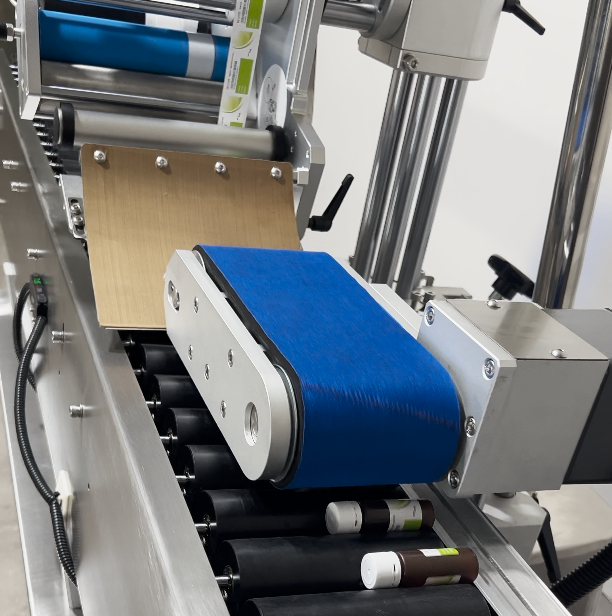
The roll-on labeling method works really well because it takes advantage of how round containers naturally fit together. By spinning the container while wrapping it with a belt mechanism, labels stick all around the surface without any gaps. What happens is pretty simple actually: there's a fixed pad holding the bottle steady while another belt moves around it, feeding the label at just the right speed so no bubbles form. This works great even when dealing with tricky shapes such as bottles that narrow at the top, have indented sections, or those weird two-sized vials we sometimes see. Unlike wipe-on systems where labels tend to lift at the edges because they need flat spots to adhere properly, roll-on avoids these problems entirely. According to what manufacturers report, about 99.8 percent of labels apply correctly on the first try for curved surfaces. That beats out other methods that struggle with every new shape requiring special tools or someone manually adjusting things between different product designs.
Sub-Millimeter Placement Control and Zero-Shift Label Application
Today's roll-on labeling systems can hit around 0.3 mm accuracy for label placement thanks to closed loop servos and those fancy optical sensors that watch bottles spin as they move along the line. Getting this right matters a lot when it comes to printing critical information like medication dosages or those important QR codes for tracking products, all within what the FDA requires. The labels stick almost instantly too – we're talking about adhesives that grab hold within about quarter of a second after touching the surface – so there's no sliding around even when production is running flat out. When paired with precisely guided rollers and systems that adjust tension on the fly, these setups create bonds that stay put forever without shifting. And yes, they meet those tough standards from ISTA 3A and ISO 15378 that pharma companies have to follow for keeping their packaging intact throughout shipping and storage.
Mechanical vs. Alternative Labeling Precision
Feature Roll-On Technology Wipe-On Alternatives Curved Surface Adhesion Complete Conformity Edge Lift Risk Placement Accuracy ±0.3mm ±1.5mm Max Speed Stability 400 bottles/min 150 bottles/min Adhesion Development Instant (<250ms) Gradual (2–3 sec)
Operational Efficiency: Throughput, Uptime, and Labor Optimization
High-Speed Labeling at 200–400 Bottles/Minute Without Compromising Precision
Roll on labeling machines boost production speed while still hitting those strict accuracy standards needed for regulation compliance. These systems can apply labels to around 200 to 400 bottles every minute, keeping the label position within half a millimeter either way. The reason this works so well? Servo synchronized applicators, vision inspection happening right then and there, plus tension control that adapts as it goes along. Everything runs inline without holding up the production line. Cameras built into the system check where labels land, if text is clear enough, and whether barcodes will scan properly all at top speed. This stops problems later down the line when labels get applied wrong. Misplaced labels are actually one of the main things causing production delays and expensive investigations into batches that might be compromised.
Reducing Manual Intervention and Downtime Through Automation
Roll on systems cut down on human labor for labeling tasks by around 90% when compared to traditional methods or those only partially automated. These systems handle things like making sure bottles are properly positioned, aligning seams just right, and dispensing labels consistently, which takes away all the guesswork and inconsistencies humans bring to the table. Smart sensors throughout the system spot problems as they happen, like when something gets jammed or labels go off track, and fix them automatically within less than half a second without stopping the whole line. What does this mean? Facilities lose significantly less time due to unexpected stoppages, saving money that would otherwise be lost. One study put these savings at about $740k per hour for pharma plants, though numbers can vary depending on specific operations. Plus, changing between different product formats used to take 30 minutes but now happens in less than a minute and a half thanks to quick change tools paired with digital recipes. This means machines get used more efficiently even when producing multiple products at once.
Risk Mitigation: Eliminating Human Error to Safeguard Patient Safety
Error Reduction in Label Content, Orientation, and Batch Traceability
When it comes to labeling problems, human mistakes still top the list of things we can actually control. Automatic roll on systems help cut down these risks by checking labels with built in vision systems and validating against databases. Before any label gets released, they check important stuff like drug names, strengths, NDC codes, batch numbers and expiration dates against what's in the main production records. The labels themselves get placed with incredible accuracy, just fractions of a millimeter off from where they need to be relative to bottle seams. This makes sure those critical orientation markers stay properly aligned, whether it's the "shake well" arrow or those child resistant indicator symbols everyone looks for. Every single verification step and parameter setting gets recorded in a secure digital log that shows if anyone ever tampers with it. These logs meet all the GMP standards required for tracking products back through their entire lifecycle, as specified in both FDA regulations 21 CFR Part 11 and the European Union's Annex 11 guidelines.
Preventing Critical Failures: Mislabeling, Omissions, and Expiry Date Errors
Roll-on automation stops serious problems from happening during production. Think about things like labels getting put on backwards for those special amber vials that need protection from light, missing important warning information in black boxes, or when expiration dates get swapped around accidentally. The system works by maintaining tight control throughout every step of the labeling process. OCR technology checks if the printed text can actually be read and confirms barcodes work properly. Special sensors make sure labels are actually there where they should be. When something doesn't look right, automatic rejection systems kick in to remove faulty products before they even reach packaging lines. These quality controls save companies a lot of money too. According to research from Ponemon Institute back in 2023, each mislabeling incident costs around $740,000 on average. That covers everything from recalling products to dealing with lawsuits and fixing damaged brand reputation. Beyond the numbers though, this kind of automated checking does what matters most in healthcare manufacturing: it makes sure patients never end up with medicines that have incorrect or missing labels, which could literally put lives at risk.
Scalable Integration and Total Cost of Ownership of Automatic Roll-On Labeling Machines
Seamless Line Integration, PLC Communication, and Changeover Flexibility
Roll-on labelers designed for pharmaceutical production lines come equipped with features that ensure compatibility across different manufacturing setups. These machines typically include standard mechanical connections, plus support for both EtherNet/IP and PROFINET protocols, along with built-in PLC integration capabilities. The ability to communicate back and forth with filling equipment, capping stations, and quality inspection systems makes a big difference on the factory floor. This two-way connection helps maintain consistent line speeds, provides early warning when problems might occur, and automatically loads the right settings for each batch. What really stands out is how adaptable these systems are. The modular tooling can handle bottles ranging from just 10mm to as wide as 120mm, while accommodating heights between 30mm and 300mm without needing any physical adjustments to the machinery itself. And thanks to digital recipe management, changing over to new product configurations takes less than five minutes now. Back in the day, this kind of retooling used to take half an hour or more, but today's operators can simply guide the system through the changes themselves, making production transitions much smoother and less disruptive.
ROI Analysis: Balancing Initial Investment Against Long-Term Compliance, Labor, and Waste Savings
| Cost Factor | Manual Labeling | Automated Roll-On System |
|---|---|---|
| Annual labor expenses | $120,000 (2 FTEs) | $15,000 (0.25 FTE) |
| Material waste | 8–12% misapplied labels | <1% error rate |
| Compliance risk | High audit failure potential | Validated traceability |
Automatic roll-on labeling systems offer a really strong return on investment for most pharmaceutical companies, typically paying for themselves within about 12 to 18 months after installation. These systems cut down on direct labor expenses by around $105k per year, while their precise application process slashes label waste by more than 90 percent, which saves a lot of money on materials every year. What's even more important though is how they help avoid those hidden costs that nobody talks about much. Companies using automation escape potential FDA warning letters that can cost upwards of half a million dollars, plus they sidestep regulatory holdups and expensive product recalls. Built to last over a decade with constant operation capabilities and ready-made validation features, these labeling machines become essential parts of compliance strategy rather than just another piece of equipment sitting on the production floor.
FAQ
What are GMP, FDA, and ISO standards?
GMP refers to Good Manufacturing Practice, FDA is the Food and Drug Administration, and ISO stands for the International Organization for Standardization. These standards ensure safety, quality, and efficacy in pharmaceutical production.
How do automatic roll-on labeling machines work?
These machines use a belt and pad mechanism to apply labels accurately to bottles by spinning them during application. They feature optical sensors for precise placement and automated checks to avoid errors.
Why is label accuracy crucial in pharmaceuticals?
Accurate labels ensure correct dosage information, safety warnings, and product traceability, minimizing medication errors and recall risks.
Table of Contents
- Regulatory Compliance and Quality Assurance in Pharma Labeling
- Precision Engineering: How Automatic Roll-On Labeling Machines Optimize Cylindrical Bottle Labeling
- Operational Efficiency: Throughput, Uptime, and Labor Optimization
- Risk Mitigation: Eliminating Human Error to Safeguard Patient Safety
- Scalable Integration and Total Cost of Ownership of Automatic Roll-On Labeling Machines
- FAQ