EN
EN

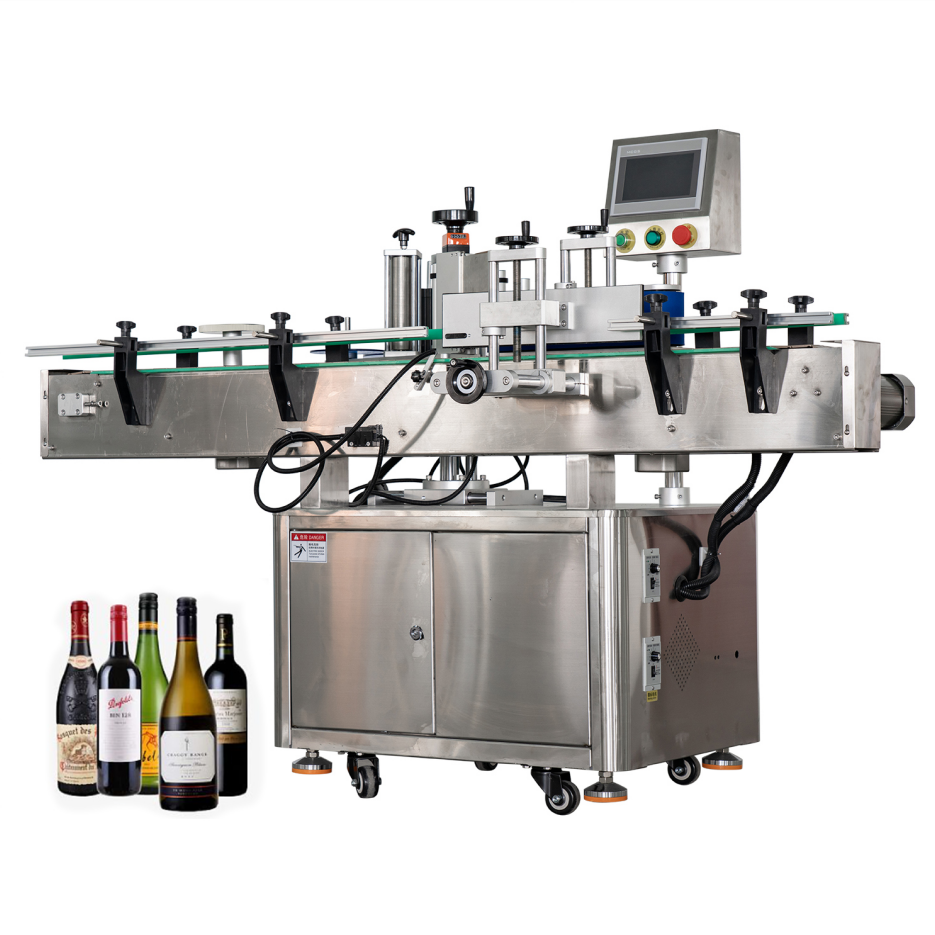
Core Physical Safeguards: Guards, Stops, and Zone Protection
Today's automatic cylindrical bottle labeling machines come equipped with several safety features designed to keep workers safe. When those big access doors are opened, the whole system shuts down thanks to interlocked guarding systems. These work through position sensors that stop everything moving if any guard gets out of place. The point is simple really: keep dangerous moving parts locked away whenever someone needs to do maintenance work on the machine. According to recent OSHA reports from last year, these safety measures have cut down entanglement incidents by about three fifths. Most modern setups combine door switches with magnetic sensors too. Together they form what we call fail-safe barriers. And guess what? They actually comply with all the ISO 13857 standards regarding how far people need to stay from moving machinery parts.
Emergency stop systems and dual-channel safety circuits
The emergency stop buttons we see around factories have those distinctive mushroom heads so workers can hit them quickly when needed. They're positioned right where hands can reach from any workstation without stretching too far. The safety system uses dual channel circuits as backup. These circuits check each other constantly, which means the machine will still shut down even if something goes wrong with one side. This setup meets what's called Category 3 standards according to the EN ISO 13849-1 guidelines. There are also torque monitoring systems working alongside these circuits. They watch for unusual resistance in moving parts that might signal a jam somewhere. When this happens, the system won't let the machine restart until someone checks it out properly through specific reset procedures designed for safety.
Light curtains and safety mats for operator access zones
Infrared light curtains basically act as invisible barriers around loading zones. When someone breaks the beam, machines stop almost instantly. For the floor area where operators walk, pressure sensitive mats mark out safe paths. These mats will shut down equipment right away if anyone steps too close to dangerous spots. Most systems respond in less than 20 milliseconds, which is fast enough to keep production moving without risking injuries from those spinning parts during label application at speed. Plants that install this kind of protection typically see fewer accidents without slowing down their output much.
Intelligent Safety Monitoring: Sensors and Adaptive Control
Modern automatic cylindrical bottle positioning labeling machines incorporate intelligent safety monitoring systems that proactively detect anomalies and prevent accidents. These systems leverage advanced sensing technologies paired with adaptive control algorithms to maintain operational safety without compromising efficiency.
Capacitive and photoelectric sensors for bottle presence and jam detection
Capacitive sensors are used to determine how much liquid is in each bottle, whereas photoelectric sensors keep an eye on where bottles are positioned along the line and spot any jams happening in the labeling area. These systems constantly scan what's going on during production, so they can stop everything right away if something goes wrong. This helps prevent collisions between machines and stops those annoying situations where labels get fed incorrectly. With real time monitoring comes all sorts of automated fixes too. For instance, small blockages can often be cleared just by running the system backwards for a moment. This means fewer workers need to go into dangerous areas to fix problems manually, which everyone appreciates since safety is always a top concern in manufacturing environments.
Torque-limiting drives and stall detection to prevent mechanical overload
When bottles get stuck or something goes wrong during positioning, integrated safety drives will kick out automatically once the resistance passes those preset torque limits we set. The system has this double protection that stops gearboxes from getting damaged when things jam suddenly, keeps motors from burning out if they stall, and basically prevents those jarring abrupt stops that can throw everything off balance. These smart control systems constantly tweak conveyor speeds depending on what the sensors are telling them, so production stays smooth without putting unnecessary strain on the machinery. Looking at actual performance numbers, factories using these safety features see about a 19 percent boost in how accurately bottles get positioned, plus there are 27 percent fewer emergency shutdowns than with older equipment. Makes sense why more manufacturers are making the switch these days.
Regulatory Compliance and Certification Requirements
Meeting international safety standards isn't optional—it's fundamental for operating automatic cylindrical bottle positioning labeling machines in regulated industries like pharmaceuticals and food production. Leading manufacturers incorporate certified safety systems from the design phase to ensure compliance with rigorous frameworks governing hazardous motion zones.
CE, ISO 13857, and ANSI/PMMI B155.1 standards for hazardous motion zones
The CE marking shows that equipment meets EU Machinery Directive standards, which require things like protected access areas to cut down on risks. The ISO 13857 standard actually lays out specific distances between workers and dangerous moving parts when labels are being applied. On the other side of the pond, ANSI/PMMI B155.1 from the Association for Packaging and Processing Technologies establishes what's considered safe practice in North America. This includes things we all know are important but sometimes get overlooked - emergency stop buttons and sensors rated specifically for safety applications. When manufacturers follow these guidelines properly, they significantly lower the chances of workers getting caught in machinery or crushed. Studies looking at injuries in the packaging sector suggest around an 89% reduction in such incidents since these standards became widespread. Companies that ignore them face serious consequences though. Factories can be forced to shut down completely, and OSHA will hit them with fines that easily go over half a million dollars. That's why getting certified by independent testing labs isn't just good business sense anymore, it's basically a requirement if anyone wants their products sold anywhere in regulated markets.
FAQ
What are interlocked guarding systems in labeling machines?
Interlocked guarding systems use position sensors to ensure all machine parts remain in place. If any guard is moved, the system automatically halts operations for safety.
Why are emergency stop buttons important in factories?
Emergency stop buttons are crucial as they allow workers to quickly halt machinery in case of an accident or malfunction, preventing further injuries or damage.
How do light curtains contribute to safety in operator access zones?
Light curtains use infrared beams as invisible barriers. When breached, the system stops instantly, preventing workers from accidentally entering dangerous machine zones.
What is the role of capacitive and photoelectric sensors in labeling machines?
Capacitive sensors assess the liquid level in bottles, while photoelectric sensors monitor bottle positioning and detect jams, ensuring smooth operation and preventing mishaps.
Why are CE and ANSI/PMMI B155.1 standards essential?
These standards ensure machinery is designed safely, minimizing hazards. Adhering to them can prevent accidents and costly fines, making them vital for regulatory compliance in industries.
Table of Contents
- Core Physical Safeguards: Guards, Stops, and Zone Protection
- Intelligent Safety Monitoring: Sensors and Adaptive Control
- Regulatory Compliance and Certification Requirements
-
FAQ
- What are interlocked guarding systems in labeling machines?
- Why are emergency stop buttons important in factories?
- How do light curtains contribute to safety in operator access zones?
- What is the role of capacitive and photoelectric sensors in labeling machines?
- Why are CE and ANSI/PMMI B155.1 standards essential?