EN
EN

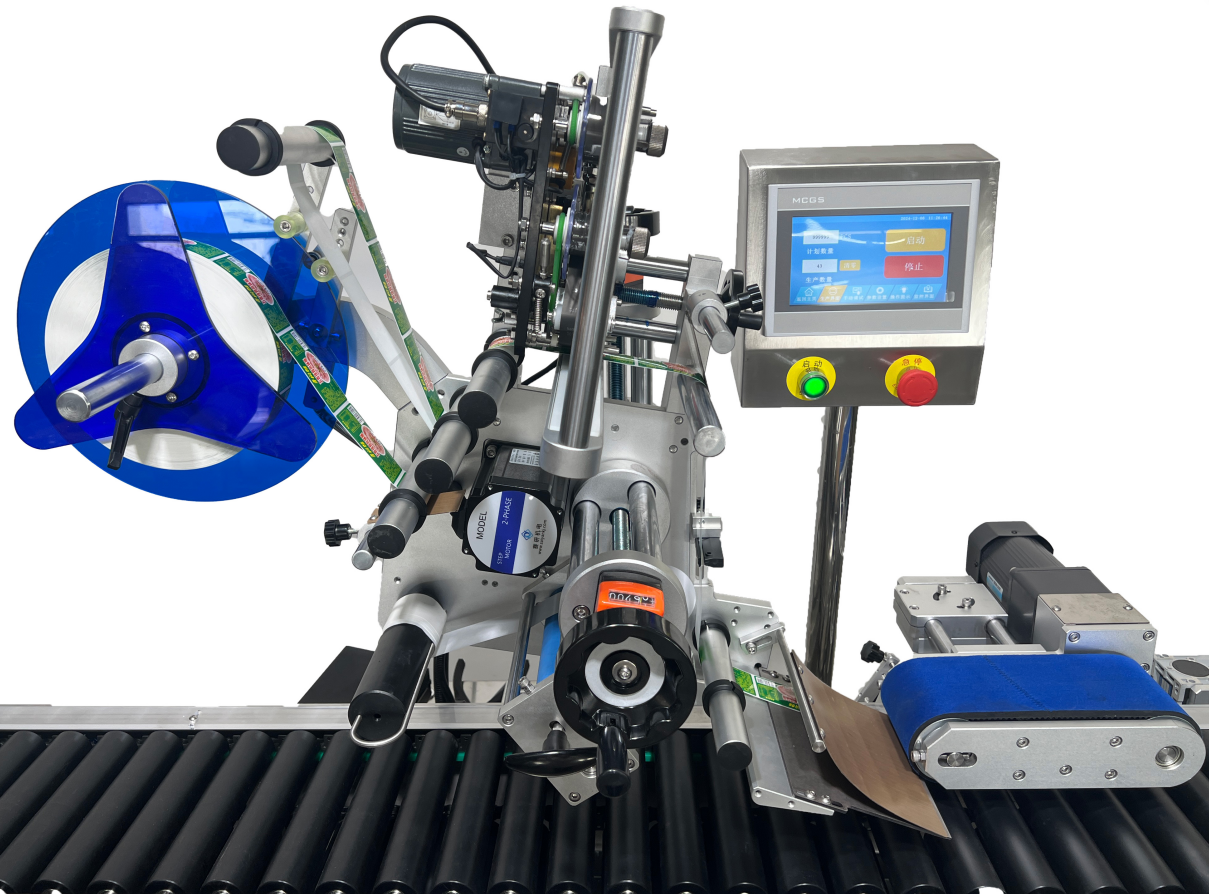
Speed Capabilities of the Horizontal Automatic Round Bottle Labeler
Throughput Benchmarks: From 35 to 500 Bottles/Minute Across Model Tiers
Horizontal automatic round bottle labelers come in various speeds that match different production needs. The basic models can handle around 35 bottles per minute while the top industrial versions push past 500 bottles per minute. These speed ranges let manufacturers pick equipment that fits their actual output requirements instead of buying something oversized. For smaller operations producing batches of maybe 100-200 units daily, the entry level machines (ranging from 35 to 80 bottles/min) work great. They provide accurate labeling without wasting resources on unnecessary capacity. Mid sized facilities working with beverages, cosmetics or pharmaceutical products often find the 100-300 bottles per minute range most suitable for their workflow. When companies need serious volume, the heavy duty systems running between 350 and 500+ bottles per minute become essential. These high performers keep up with almost constant labeling demands in big factories. Of course, actual performance varies depending on factors like bottle size and label design complexity. Most manufacturers run standard tests using typical 500ml cylindrical bottles and generally see results staying within about 5% of advertised speeds across all equipment categories.
Key Speed Determinants: Bottle Geometry, Label Format, and Line Synchronization
Labeling speed really depends on three main things. Bottle shape matters a lot too. Bottles need to be pretty round, within about half a millimeter or so. If they're too wobbly or out of round, the whole system slows down by around 15%. Then there's the label itself. Pressure sensitive stuff works best at top speeds, but those heat activated shrink sleeves take longer to stick properly, so they naturally run slower. The third big factor is how well everything syncs up with machines before and after the labeling station. When labelers can talk back and forth with the rest of the line through real time control systems, factories hit around 98% efficiency most days. But if things aren't synced right, companies lose about 40% of their potential speed because of all the stoppages and readjustments needed. Thermal imaging has actually shown this happens quite often in plants where synchronization isn't properly maintained. Getting these basics right lets manufacturers keep running fast while still making sure products come off the line looking good and functioning properly.
Precision Performance of the Horizontal Automatic Round Bottle Labeler
±1mm Placement Accuracy: How Advanced Sensors and Servo Control Enable Consistency
Getting labels placed consistently within 1mm requires tight integration between sensors and servo systems. The optical sensors actually check each bottle more than 500 times every second, and the servo motors adjust position in tiny 0.01 second steps to handle those little differences in bottle shapes plus vibrations from the conveyor belt. When it comes to performance, rotary models beat linear systems by around 30%, keeping that 1mm accuracy even when running at top speed with 500 bottles going through per minute. What makes this work? High resolution CCD cameras spot those really small deviations, brushless servos that can rotate with 0.1 degree precision, and tension controls that automatically calibrate themselves to stop wrinkles from forming. These systems are a world apart from older semi automatic setups where tolerances usually hovered around 2mm. With this closed loop approach, there's no more label skewing or edges lifting off, something that matters a lot for products needing tamper evident seals and clear batch codes on packaging.
Real-World Validation: Meeting Premium Branding and Regulatory Requirements for Round Bottles
Pharmaceutical and premium beverage brands rely on ±1mm accuracy to meet both aesthetic and regulatory standards. For bottles under 50mm in diameter, this precision ensures:
- Brand integrity: Seamless 360° label wraps without visible overlaps or gaps
- Regulatory compliance: Full legibility of batch codes, expiration dates, and safety information
- Audit readiness: 99.2% pass rate in FDA 21 CFR Part 11 audits using automated machine vision verification
This level of performance eliminates manual rework in serialized labeling environments and supports dynamic print-and-apply systems for variable data. Packaging engineers report 80% fewer compliance exceptions compared to systems with ±1.5mm tolerance, underscoring the operational impact of precision.
The Integrated Technology Stack Driving Speed and Precision
A modular horizontal setup works best when dealing with round containers in labeling operations. These systems are built with different parts that can handle all sorts of bottle sizes and shapes. Changing from one product to another happens quickly thanks to the quick-change tools available. Special conveyor belts keep bottles aligned properly as they move along the line. The whole system has carefully designed guide rails and rotating platforms that hold everything steady even when running at impressive speeds of around 500 bottles per minute. This kind of stability makes sure labels get applied correctly every time, which means faster production rates without compromising quality. Manufacturers find this particularly valuable because it saves money in the long run while keeping customers happy with consistently labeled products.
Vision guided print and apply systems are changing how labels get positioned on containers. These systems use high res cameras to scan every container surface first, looking for curves that vary from one item to another plus spotting any flaws in the surface itself. What happens next? The information gathered tells servo controlled applicators exactly when and how hard to press those labels onto surfaces, adjusting angles within fractions of a second. At full operating speed, these machines maintain around 1mm accuracy, which is pretty impressive considering what they're doing. This kind of precision matters a lot in industries where compliance is everything, especially for drug manufacturers following DSCSA rules or companies producing premium products with exacting brand standards. Another big plus comes from built in printing capabilities that cut down on wasted materials because there's no need for pre printed labels anymore. Plus, all that variable information like batch codes or expiry dates gets applied right at the moment it needs to be there, ensuring nothing gets mixed up during production runs.
Balancing Speed and Precision in Production Reality
Getting the most out of labeling operations means finding just the right mix between speed and accuracy based on what matters most for each production run. For things like medicine labels where mistakes could be dangerous, we need to stick pretty close to that 1mm tolerance window across all units. But when dealing with secondary packaging or less critical items, manufacturers often push for quicker cycles instead. Most modern production lines use different levels of automation so they can handle anywhere from around 35 bottles per minute up to over 500 without breaking compliance rules. The servo systems these days are pretty smart too – they adjust almost instantly when bottles come in odd shapes or sizes, and sync up nicely with other machines along the line. Keeping an eye on how everything performs lets operators tweak settings as needed during actual runs, which cuts down on label errors by roughly 18 percent. And this makes a big difference financially speaking. According to recent studies, even small improvements matter a lot. Just boosting accuracy by 1% saves companies about seven hundred forty thousand dollars each year simply by avoiding product recalls.
Frequently Asked Questions
-
What factors affect the speed of a horizontal automatic round bottle labeler?
The speed is affected by bottle geometry, label format, and line synchronization.
-
What is the precision accuracy of the labeling machine?
The labeling machines achieve ±1mm placement accuracy.
-
How does synchronization improve labeling speed?
Synchronization with machines before and after the labeling station ensures minimized stoppages, increasing overall efficiency.
-
What industries benefit most from precision labeling?
Pharmaceutical, premium beverage, and any industry requiring compliance with stringent standards benefit significantly from precision labeling.