EN
EN

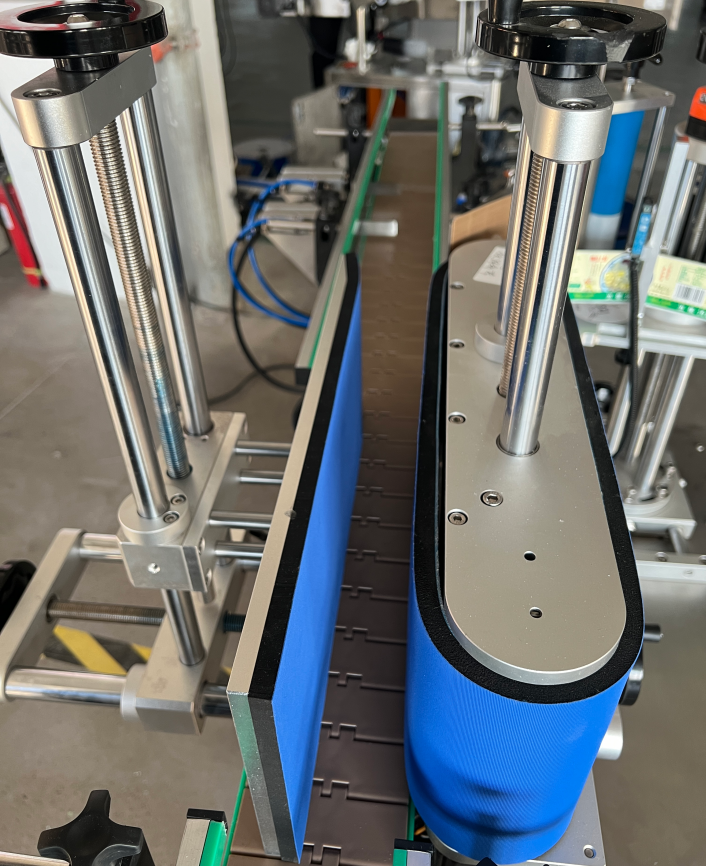
Performance at Scale: Throughput, Reliability, and Uptime for High-Volume Beverage Lines
Matching Application Rate to Line Speed: From 200 to 1,200 BPM
Beverage manufacturing facilities today need labeling solutions that can keep pace with their filler and capper operations, which typically run anywhere between 200 and 1,200 bottles each minute. The rotary automatic roll on labelers are actually designed for this exact purpose. They use advanced servo driven controls that let them handle those top speeds of around 1,200 BPM while still managing to place labels within just 1 mm of where they should be. When looking at handling sudden increases in production volume without creating bottlenecks, most experienced plant managers will tell you to build in extra capacity. A good rule of thumb is to design systems with about 10 to maybe even 20 percent more capability than what's needed during peak times. This approach works really well in large scale bottling operations where plants routinely process upwards of 30 thousand bottles every single hour.
Design Features That Ensure Reliability—Sealed Bearings, Stainless Housing, and Predictive Maintenance Readiness
When dealing with wet conditions and chemically aggressive substances common in beverage production, stainless steel housings along with IP66 rated sealed bearings simply cannot be overlooked if we want reliable equipment over time. Equipment built this way sees around 40 percent fewer mechanical failures when compared against regular industrial models. What's even better? Modern machines now come equipped with vibration sensors and internet connected diagnostic tools that help predict problems before they happen. According to industry standards from PMMI, these smart features cut down unexpected downtime by roughly 35%. For anyone running a beverage processing line, this kind of proactive approach means fewer headaches and smoother operations day after day.
The Uptime Paradox: Why Optimized Cycle Timing Outperforms Raw RPM in Real-World Beverage Production
Looking at raw RPM numbers can give a misleading picture of how machines actually perform day to day. What really matters for keeping production running smoothly is getting rid of those tiny stoppages that happen all the time rather than just chasing after maximum speed. When we line up the timing between conveyors and labeling equipment especially when things are speeding up or slowing down, we see about a 22% drop in these little interruptions. The payoff? Well adjusted rotary systems typically run at around 94 to 98% efficiency most of the time, which beats out setups that focus only on hitting top RPMs. And according to our real time OEE monitoring, this balanced approach actually results in roughly 15% more product coming off the line each year compared to systems that prioritize speed above everything else.
Precision Application: Accuracy, Method Selection, and Surface-Specific Consistency
Tamp-Blow vs. Wipe-On vs. Air-Blow: Choosing the Right Automatic Roll-On Labeling Machine Method for Neck, Shoulder, and Wrap-Around Labels
Choosing the right labeling method depends heavily on factors beyond just how fast things need to move through the line. The shape of the container, what it's made from, and actual production requirements all play critical roles. Take Tamp-Blow for instance. This works great on those tricky spots like bottle necks and shoulders where other methods struggle. It applies gentle vertical pressure that keeps labels smooth even when running at top speed. Most cylindrical containers made of PET or glass still rely on Wipe-On systems though. These use specially designed rollers to get that full 360 degree coverage without any gaps. When it comes to aluminum cans moving faster than 1000 bottles per minute, Air-Blow becomes the go-to solution. It uses directed bursts of air to place labels instantly without physical contact. Each approach finds its sweet spot between speed, how well it fits different shapes, and keeping everything aligned properly. Shoulder labels remain one area where Tamp-Blow really shines because of its consistent vertical positioning over repeated cycles.
Sub-Millimeter Accuracy Validation: Metrology Standards for PET, Glass, and Aluminum Can Lines
The industry standard for label placement is pretty strict, around ±0.5 mm tolerance on most common beverage containers. Getting this right means different approaches for different materials. For PET bottles, manufacturers often rely on laser guided systems that can track how containers move and stretch while being filled. Glass bottling operations typically install edge detection sensors since there's always some variation from one bottle to another. Aluminum cans present their own challenges but modern systems now hit about 99.8% accuracy even at top speed (around 1,200 bottles per minute) thanks to those fast optical feedback mechanisms. Companies validate these systems using ISO 10360 certified equipment, making sure everything stays calibrated every three months or so. This matters a lot in cold storage areas where moisture builds up quickly. A single misplaced label in such conditions can ruin entire batches and damage customer trust, which is why many brands invest heavily in maintaining these tight tolerances despite the costs involved.
Beverage-Grade Compatibility: Adhesion, Materials, and Environmental Resilience
Cold, Wet, and Condensed Surfaces: Film, Foil, and Pressure-Sensitive Label Performance on Chilled Bottles
Keeping labels intact on cold drinks requires special adhesive engineering that can handle extreme temperatures and moisture conditions. Tests show film labels made from polyethylene terephthalate (PET) stick around 98% of the time even at refrigerator temps of 4 degrees Celsius according to ASTM D3330 standards. Foil labels often lift at the edges because they don't deal well with condensation buildup. That's why most manufacturers still go with pressure sensitive adhesives (PSAs). These adhesives grab onto surfaces instantly which matters a lot since labels need to stick fast when applied to damp bottles moving along production lines at speeds where contact happens in just over a third of a second. What really makes these adhesives work includes factors like material composition, surface tension balance, and how well they resist water vapor over long periods.
- Adhesive rheology: Acrylic-based PSAs retain flexibility and shear strength across 40—90% relative humidity
- Substrate prep: Corona treatment increases PET surface energy by 15—25 dyne/cm, enabling uniform adhesive wetting
- Temperature thresholds: Validation across -1°C to 5°C prevents adhesive crystallization and bond-line failure
Automatic roll-on labeling machines counter condensation through precision tension control and heated applicator heads. Leading systems combine hydrophilic adhesives with micro-porous label stocks that actively channel moisture away from bond lines—achieving <0.5% label failure rates and eliminating ghosting or slippage during rapid transitions from refrigeration to ambient storage.
Factory Integration Pathways: Standalone, Semi-Automated, and Fully Synchronized Automatic Roll-On Labeling Machine Deployments
Seamless Sync with Fillers, Cappers, and Case Packers via OPC UA and EtherNet/IP
When labeling machines work in sync with fillers, cappers, and case packers in real time, it cuts down on production bottlenecks because they can communicate deterministically with each other. The industrial protocols such as OPC UA and EtherNet/IP make this possible with response times under 80 milliseconds. What does that mean practically? Labeling systems can adjust themselves when there are changes in speed upstream, so labels get placed correctly even when running over 800 bottles per minute. Getting all these machines talking to each other pays off big time too. Factories report about a 40 percent reduction in changeover delays compared to using separate equipment. Plus, having everything connected makes it easier to monitor from one place, which helps predict when maintenance might be needed before breakdowns happen.
Table: Synchronization Impact on Production Metrics
| Integration Level | Throughput Stability | Changeover Time | Downtime Reduction |
|---|---|---|---|
| Standalone | Moderate | 15—20 minutes | ≈10% |
| Semi-Automated | High | 8—12 minutes | 20—30% |
| Full Synchronization | Near-perfect | <5 minutes | 40—50% |
FAQs on High-Volume Beverage Labeling Solutions
What is the typical speed range for labeling machines in beverage facilities?
Labeling machines in beverage facilities typically operate between 200 to 1,200 bottles per minute, matching the speed of filler and capper operations.
How do modern machines minimize downtime?
Modern machines use vibration sensors and internet-connected diagnostic tools to predict problems before they occur, reducing unexpected downtime by roughly 35%.
What factors influence the choice of labeling method?
The choice of labeling method depends on container shape, material, and production requirements, with Tamp-Blow, Wipe-On, and Air-Blow methods catering to specific needs.
Why is precise label placement important in cold storage areas?
In cold storage areas, precise label placement is crucial as misplaced labels can damage entire batches and compromise customer trust amidst moisture buildup.
Table of Contents
- Performance at Scale: Throughput, Reliability, and Uptime for High-Volume Beverage Lines
- Precision Application: Accuracy, Method Selection, and Surface-Specific Consistency
- Beverage-Grade Compatibility: Adhesion, Materials, and Environmental Resilience
- Factory Integration Pathways: Standalone, Semi-Automated, and Fully Synchronized Automatic Roll-On Labeling Machine Deployments
- FAQs on High-Volume Beverage Labeling Solutions