EN
EN

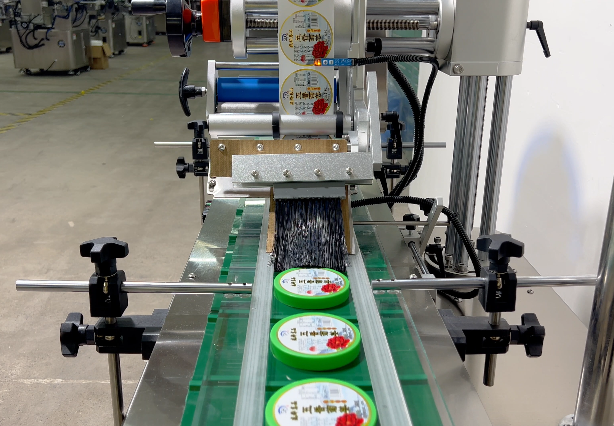
Match Application Technology to Can Geometry and Label Type
Why tamp-blow is optimal for curved metal surfaces
The tamp-blow method works really well on those curved metal surfaces we see all over the place, especially stuff like beverage cans. How does it work? Well, there's this two step thing going on here. First comes the vacuum tamping action which basically holds that pressure sensitive label right where it needs to be. Then along comes controlled air blowing that makes sure the label sits flat against the can without any wrinkles or bumps. Pretty neat actually. What makes this approach so good is how it handles those tiny surface flaws that show up naturally in metal manufacturing processes. Even when things aren't perfectly smooth, the label still sticks properly throughout the whole high speed filling operation. And let's not forget about something super important too. Because the final part of the process doesn't actually touch the surface at all, it completely avoids damaging or messing up those fancy printed designs. Mechanical wipe on techniques just can't match this kind of protection for graphics, which is why many manufacturers have made the switch to tamp-blow systems in recent years.
Shrink sleeve vs. pressure-sensitive film: adhesion, tension, and compatibility with automatic top label applicator systems
| Characteristic | Shrink Sleeves | Pressure-Sensitive Films |
|---|---|---|
| Adhesion Mechanism | Heat-activated contraction | Instant adhesive backing |
| Tension Tolerance | Requires precise heat control | Adapts to variable line speeds |
| System Compatibility | Needs integrated heat tunnels | Works with standard applicators |
Shrink sleeve labels need special heat tunnels to work properly. This creates problems when trying to integrate them with automatic top label applicators. The labels are also prone to misalignment because of tension changes during the process. Pressure sensitive films tell a different story though. They stick right away, which means they can be placed accurately on all kinds of cans without needing any extra steps. These films are great for upgrading old production lines. Even at high speeds over 1,200 cans per minute, most systems maintain around half a millimeter accuracy in placement. That kind of precision matters a lot in packaging operations where consistency is key.
Ensure High-Speed Precision and Changeover Flexibility
Achieving ±0.5 mm placement accuracy at 1,200+ CPM across 12 oz–32 oz can formats
Modern automated labeling systems now achieve remarkable precision thanks to advanced servo mechanics. These systems can keep labels aligned within just half a millimeter even when running at over 1,200 cans per minute. What's really impressive is how they handle different can sizes too, working equally well on those slim 12 ounce cans as they do on the bigger 32 ounce versions. The secret lies in special vibration dampers that absorb unwanted movement, combined with optical sensors that constantly check position in real time. This setup makes sure labels stay put despite bumps in the production line or variations in how cans move along the conveyor belt. For manufacturers, this level of accuracy means fewer rejected products and better looking packages that customers recognize instantly. After all, nobody wants their favorite beverage to look mislabeled or hard to scan at checkout.
Quick-change tooling benchmarks: <8-minute size change for true line flexibility
Real operational agility means being able to switch formats within eight minutes flat, which matters a lot when dealing with seasonal products or special edition runs. The standardized quick release parts make things easier, think magnetic nests and those guides that don't need tools for adjustments, so changing diameters becomes straightforward work. Modular pallet setups cut down on all that waiting around for recalibrations too. Some plants have seen their output jump by nearly half after implementing these changes. What's really nice is how this kind of flexibility keeps labels accurate while still letting the automatic top labeler run at full speed most of the time.
Assess Integration Pathways: Standalone, Semi-Automated, or Fully Integrated Automatic Top Label Applicator
Retrofitting legacy lines vs. greenfield builds: mechanical fit, control interface (e.g., EtherNet/IP), and validation requirements
When it comes to adding an automatic top label applicator, there's quite a difference between updating old production lines versus installing on brand new equipment. For retrofits, things get complicated fast. Mechanics have to measure every possible mounting point, check all the clearance areas, and make sure torque settings won't cause vibrations when running at full speed. The control systems present another challenge too. Many older machines use EtherNet/IP connections that don't talk directly to modern applicators, so companies often need special gateway devices to translate between the old PLCs and new equipment logic. Greenfield installations are much simpler though. These new setups can be built with standard communication protocols right from the start, which cuts down validation time by about 40% according to last year's Packaging Trends Report. No matter what approach is taken, thorough testing remains absolutely essential for proper operation.
- Mechanical fit: Verified through 500+ hours of continuous operation stress testing
- Interface compliance: Confirmed via <2ms data latency between sensors and controllers
- Quality assurance: Documented 99.9% label placement accuracy during 72-hour burn-in trials
Validate Durability, Support Infrastructure, and Functional Scope
To properly test how durable these automatic top label applicators really are, we need to simulate actual working conditions. That means putting them through their paces with things like humidity changes and repeated mechanical stress. The goal is to see if they can keep placing labels accurately even after running nonstop for around 60,000 hours according to industry standards from PMMI in 2023. When it comes to support, companies shouldn't just look at what's offered today but check if parts will still be available when needed. Leading manufacturers typically promise to keep essential components like servo motors and vacuum cups in stock for at least seven years after they stop making them. Beyond basic labeling functions, there are several other factors worth checking. Does the system work smoothly with the vision inspection equipment that comes next in line? Can technicians access diagnostic tools remotely? What about warranty protection? Good ones cover not only things that wear out fast like applicator heads but also include complete control systems. Taking all these aspects into account helps prevent unexpected breakdowns and keeps everything running reliably throughout the entire lifespan of the production line.
FAQ
What is the primary advantage of using tamp-blow methods for labeling curved surfaces?
The tamp-blow method excels at labeling curved surfaces by using vacuum tamping and air blowing to ensure the label sits flat, avoiding surface flaws and preserving printed designs.
How do pressure-sensitive films differ from shrink sleeves?
Pressure-sensitive films provide instant adhesion and compatibility with standard applicators, while shrink sleeves require precise heat control and specialized equipment.
What is the significance of achieving ±0.5 mm accuracy during labeling?
This level of precision ensures consistent label placement, reducing product rejection and enhancing product appearance and brand recognition.
Why is quick-change tooling important in production lines?
Quick-change tooling enables format switching within minutes, facilitating flexibility for seasonal products and special editions, while maintaining accuracy and speed.
What challenges come with retrofitting automatic top label applicators on legacy lines?
Retrofitting involves ensuring mechanical fit, compatibility with older control interfaces, and addressing vibrations. New builds allow smoother integration with standard protocols.
How is durability tested for automatic top label applicators?
Durability is tested by simulating conditions like humidity and mechanical stress to maintain functionality even after 60,000+ hours of operation.