EN
EN

Why Coding Machines Are Essential for Modern Food Traceability
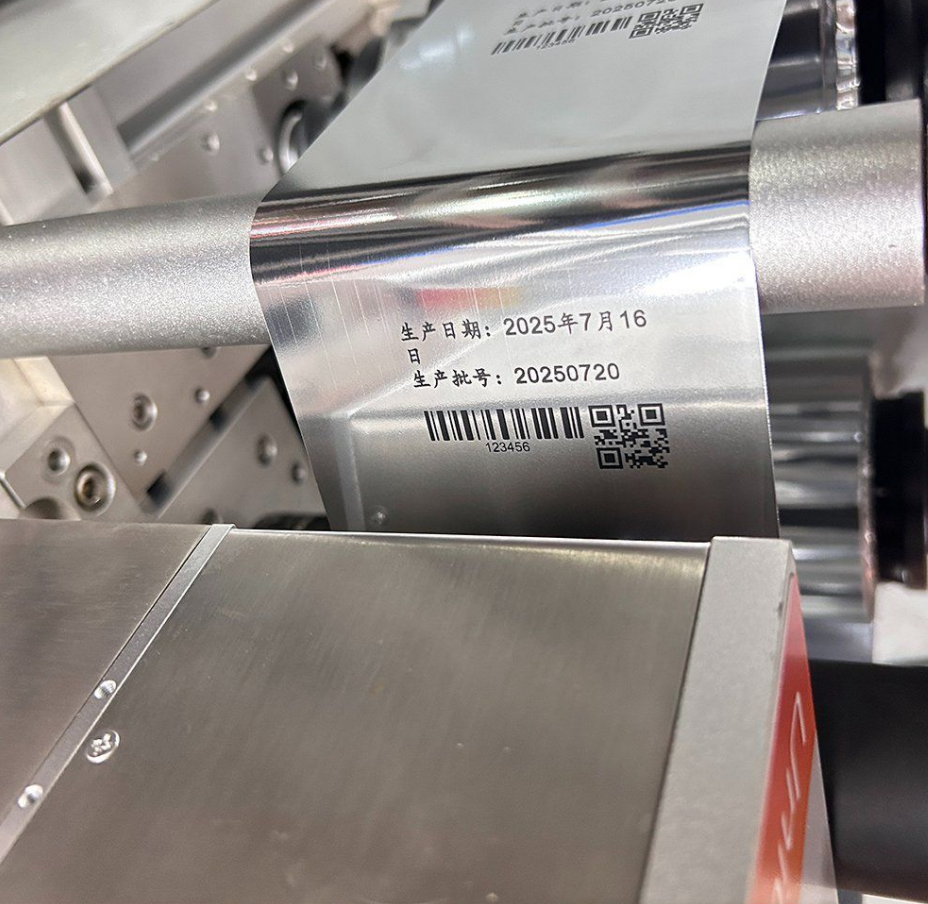
Traceability throughout the entire supply chain has become absolutely essential for food producers nowadays. A single contamination incident can lead to massive recalls that cost companies upwards of ten million dollars each time they happen. Coding machines serve as the foundation for this vital tracking system, printing out those important details such as batch numbers, expiry dates, and those handy QR codes right onto packages while they move along production lines at lightning speed. These markings act like invisible threads connecting products all the way from factory floor to store shelf. When something goes wrong, manufacturers can quickly locate problematic batches instead of wasting precious time sifting through paper records and shipping manifests which might take days or even weeks to sort out. Plus, automated systems cut down on mistakes made by people entering information manually, something that often leads to confusion during recalls. With regulations from organizations like GS1 getting tougher about what companies must track, these coding technologies aren't just helping businesses meet requirements anymore. They're actually turning compliance into a smart business practice that protects brand reputation before problems ever occur.
| Traceability Impact | Without Coding Machines | With Coding Machines |
|---|---|---|
| Recall Scope | Entire product lines halted | Targeted batches isolated |
| Root Cause Analysis | Weeks of manual record checks | Real-time digital tracing |
| Regulatory Compliance | Penalty risks from incomplete data | Automated audit trails |
Critical Tracking Points: Where Coding Machines Enable Farm-to-Fork Visibility
Modern food supply chains demand granular traceability to ensure safety and compliance. Coding machines establish this visibility by embedding critical data at each pivotal stage, transforming raw ingredients into trackable assets.
Harvest & Receiving: Coding machines assign unique identifiers at origin
The starting point for tracking happens at places like farms, fishery operations, and ranches where industrial marking systems apply unique batch numbers or QR codes right on the containers used for harvesting, pallets, and even animal identification tags. What this first step does is connect agricultural products or animals with specific location data, exact times when they were harvested, and details about how they were farmed. This connection makes it possible to trace back any issues with contamination or quality problems almost immediately after things start coming into the supply chain.
Processing & Packaging: Synchronized batch, date, and QR code marking on diverse packaging
When products move through the factory floor, coding machines work hand in hand with production lines marking all sorts of packages with batch numbers, expiration dates, and those important traceability barcodes. We're talking everything from hard plastic containers right down to soft flexible pouches that need their information printed just as clearly. The really smart setups connect directly to enterprise resource planning systems so whatever gets stamped on a package matches exactly what shows up in the production records at that exact moment. For things like cardboard boxes where regular ink might not stick well enough, thermal inkjet printers come into play with specially formulated food safe inks. Meanwhile, metal cans and glass jars get their markings via laser technology which actually burns the code into the surface creating something that lasts forever. All these different stages working together basically creates what manufacturers call a chain of custody. And when problems do pop up somewhere down the line, this system lets them pinpoint exactly where things went wrong and recall only the affected products instead of pulling everything off shelves blindly.
Non-Contact Coding Technologies Powering Reliable Traceability
Laser coding: Permanent, high-contrast marks on metal, glass, and rigid plastics
Lasers can permanently mark surfaces without needing any extra materials, which creates those tough to remove codes right on things like metal cans, glass jars, and hard plastic containers. These systems work great on production lines where items go through intense heat sterilization because they don't touch the product at all. That means there's no risk of getting anything dirty on the packaging while still keeping the codes readable all the way through shipping and storage. Most food companies say their scanners pick up these laser etched batch numbers almost every single time, even after putting them through fake aging tests that speed up how long products would normally sit on shelves.
Inkjet and thermal transfer overprint (TTO): Flexible, food-grade solutions for films and labels
CIJ printers can print variable information such as expiration dates onto absorbent packaging materials at pretty impressive speeds, sometimes going over 300 meters per minute. TTO technology works differently, attaching food grade ribbons to plastic films and label stock with good adhesion properties. These printing methods work well together when it comes to applying those GS1 standard two dimensional codes on all sorts of curved packages, which helps track products through the supply chain whether they're in bags of salad greens or wrapped around entire pallet loads. One major dairy company saw their mistake rate drop significantly after switching out old equipment for newer inkjet systems with better resolution capabilities.
From Compliance to Confidence: How Coding Machines Strengthen Recall Readiness
GS1-compliant lot/batch coding as the traceability foundation
The GS1 standard system turns those random product numbers into something everyone can scan easily. Coding machines stamp each batch with either a barcode or QR code, making sure nothing gets lost in the supply chain. When these codes are applied automatically, they actually link all the production information between suppliers, storage facilities, and stores, basically connecting everything digitally from start to finish. For poultry processing plants specifically, switching to automated batch coding cuts down labeling mistakes by almost 90%. Plus, this approach helps them stay compliant with FDA Title 21 regulations. What starts as just following rules ends up giving companies a real edge in their day-to-day operations.
Real-world impact: Reduced recall scope, faster root-cause analysis, and regulatory trust
Contamination problems can be contained much better when companies have good batch coding systems in place. Instead of recalling 30% of products as is common across the industry, these systems limit recalls to about 5%. The real benefit comes from being able to track down exactly where things went wrong. What used to take weeks of investigation now gets solved in just a few hours because we can pinpoint which ingredients came from which production line at what time. Regulatory bodies are starting to notice this difference too. Facilities that invest in proper coding equipment typically see their audit approval times cut down by around 40%. And during those tricky crisis situations, consumers tend to trust brands with transparent practices significantly more. Studies show trust scores jump up by approximately 53% when companies demonstrate this kind of traceability during simulated emergencies.
FAQ
What are the benefits of using coding machines for food traceability?
Coding machines help streamline the tracking process within supply chains by efficiently printing batch numbers, expiry dates, and QR codes on packages, enabling quick identification and isolation of contaminated batches, thereby ensuring compliance with regulation and protecting brand reputation.
How do coding machines enhance farm-to-fork visibility?
Coding machines provide farm-to-fork visibility by embedding critical data at each stage of production and processing. They assign unique identifiers during harvest and receiving, and synchronize batch codes during processing and packaging to maintain traceability throughout the supply chain.
What technologies do coding machines use?
Coding machines use laser coding for permanent marks on rigid surfaces and CIJ and TTO technologies for flexible food-grade solutions, ensuring efficient and reliable traceability on varied packaging materials used in the supply chain.
How can coding machines improve recall readiness?
By adopting GS1-compliant batch coding systems, coding machines can strengthen recall readiness by linking production information digitally across suppliers, ensuring efficient identification of affected products during incidents, reducing recall scope while enhancing root-cause analysis and regulatory compliance.