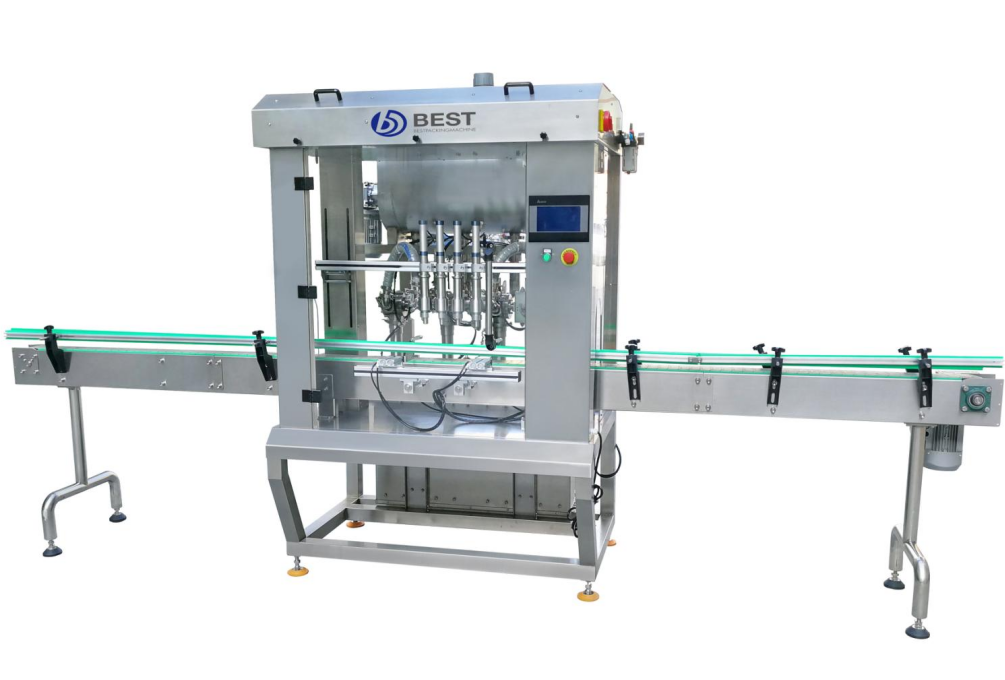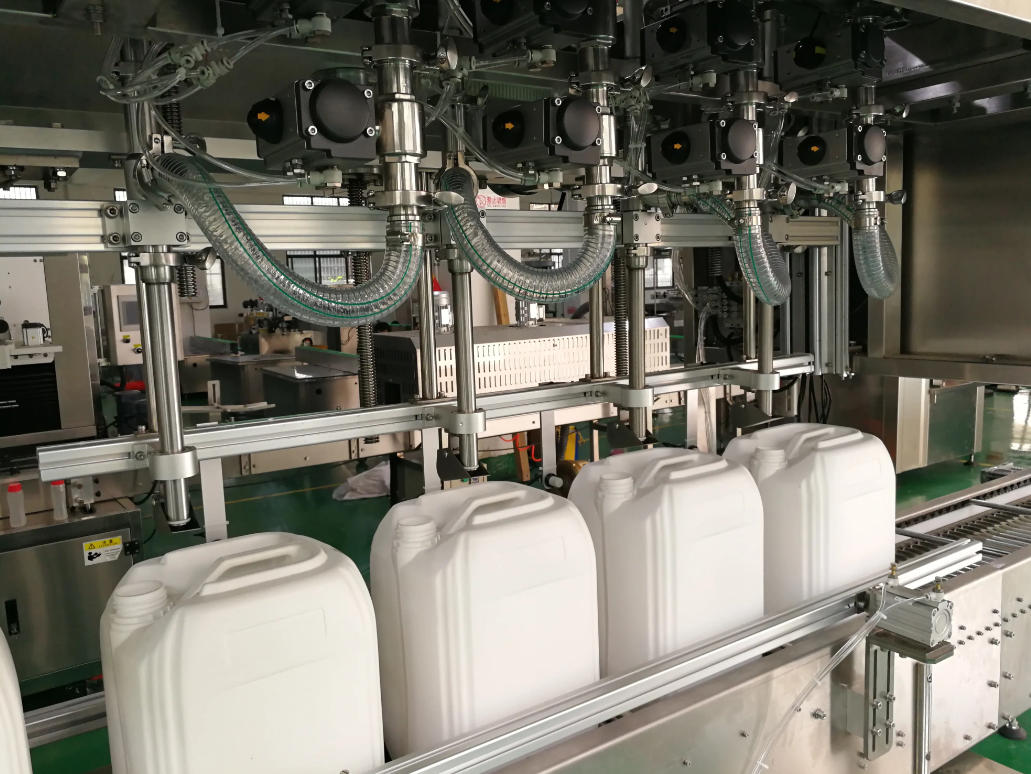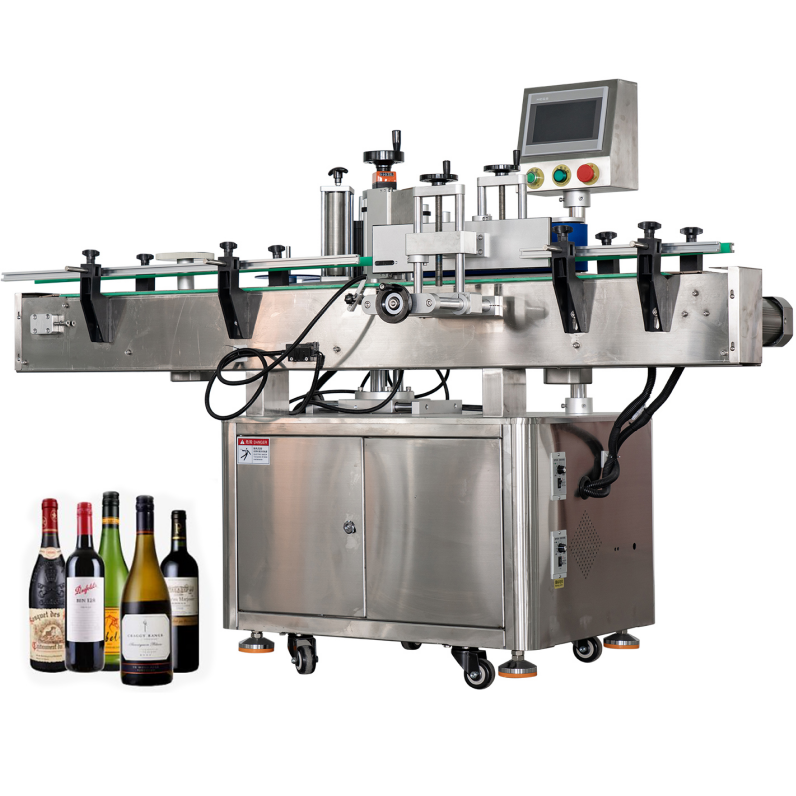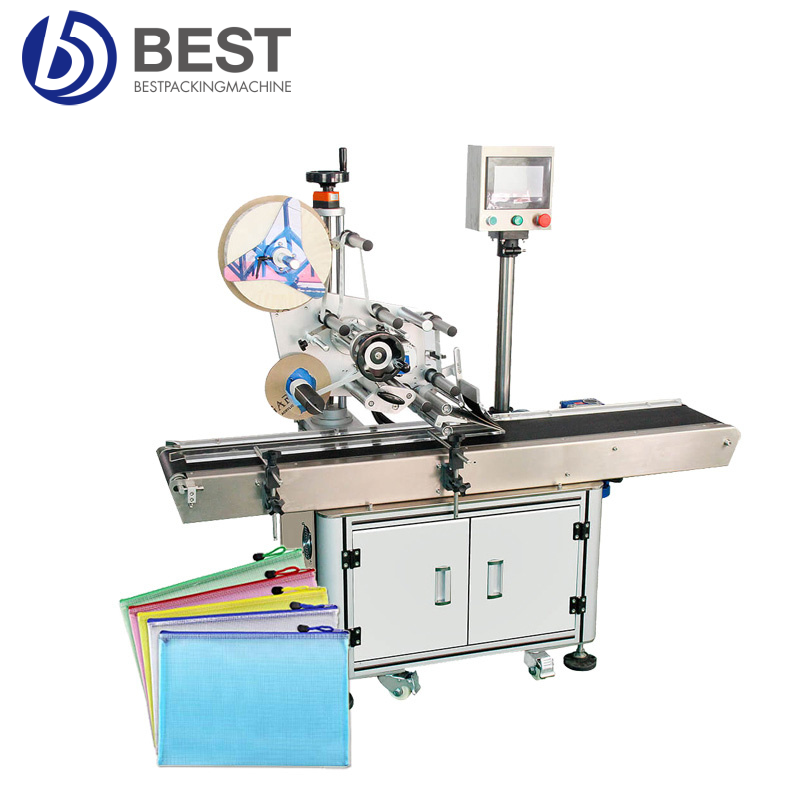
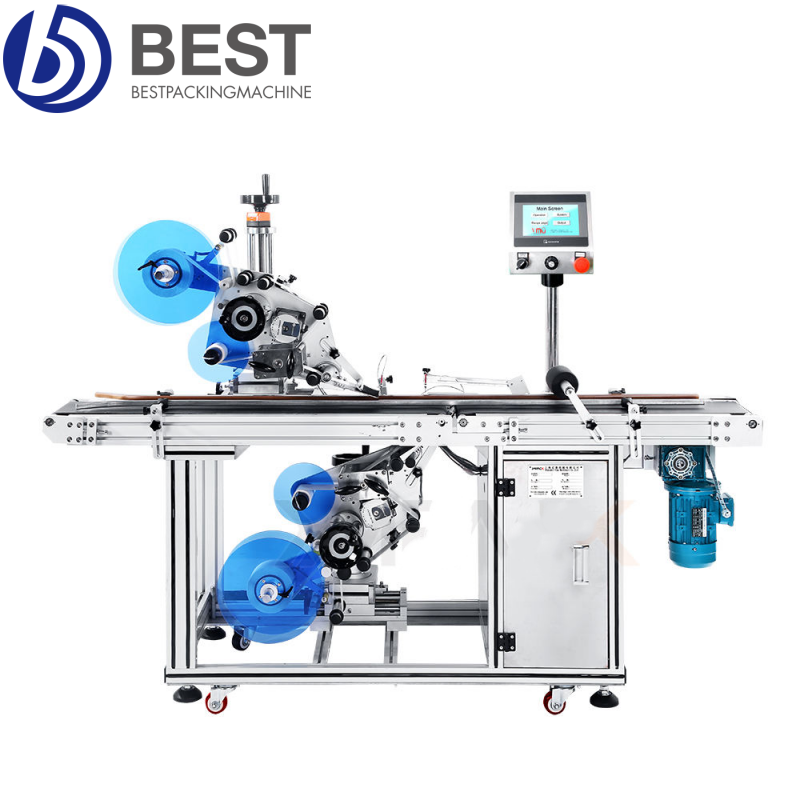
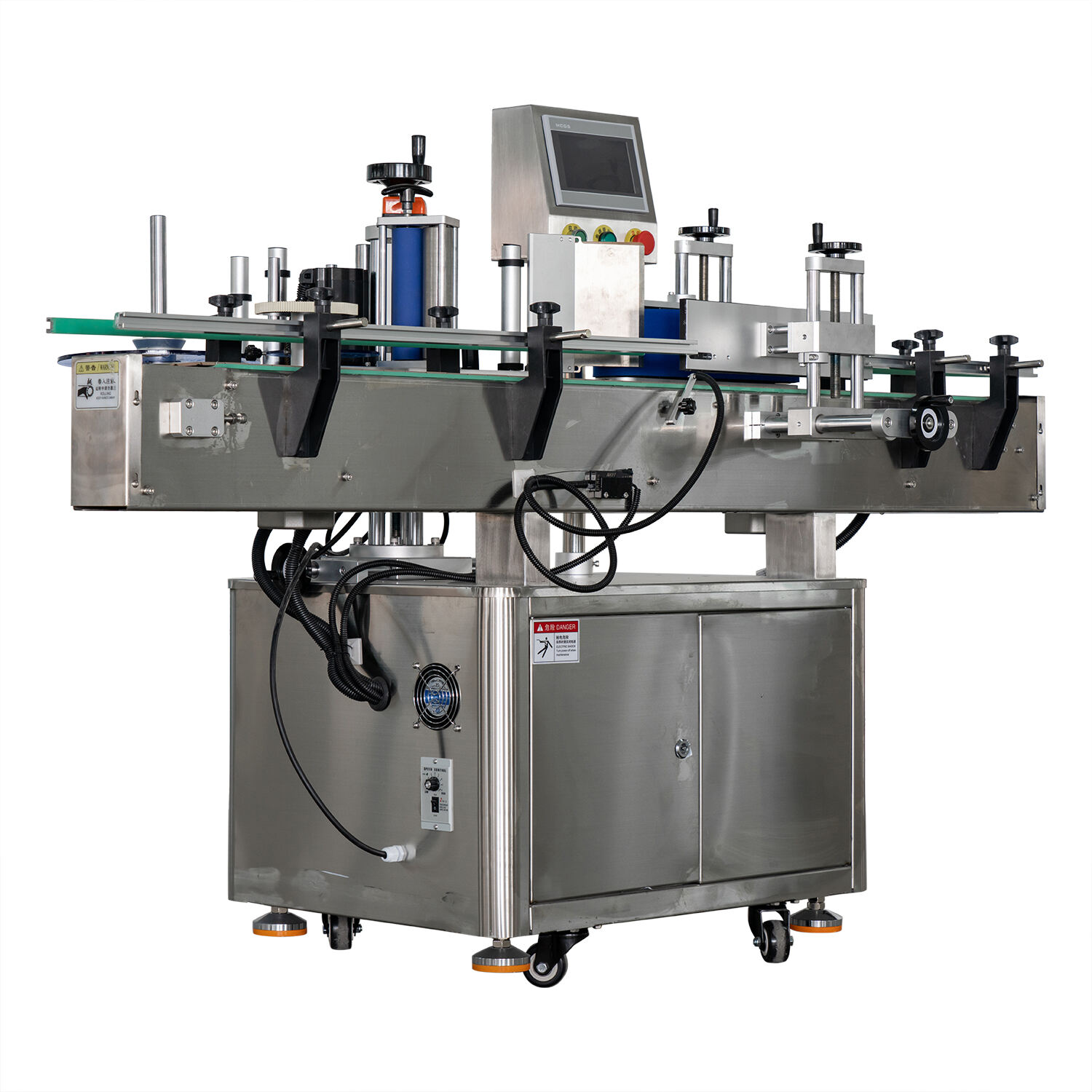
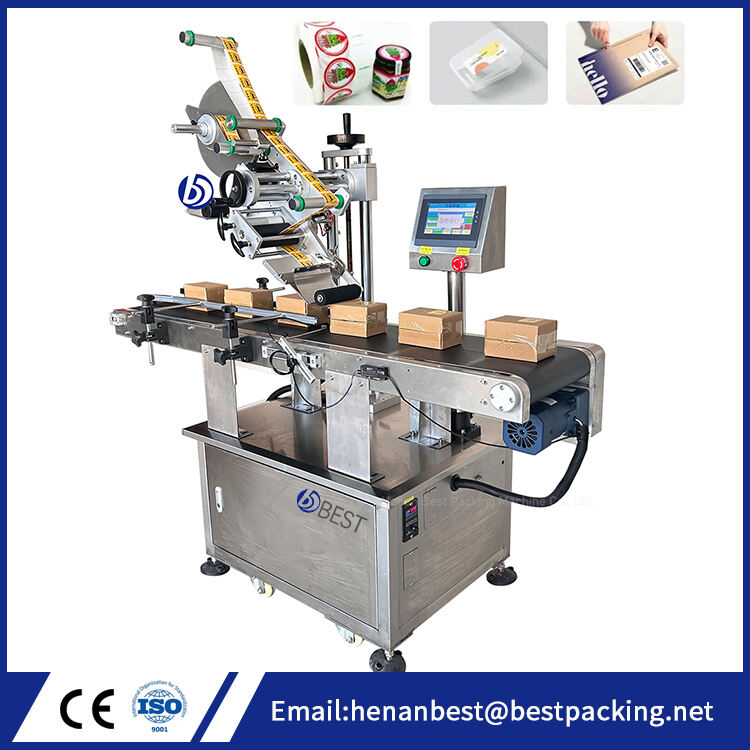
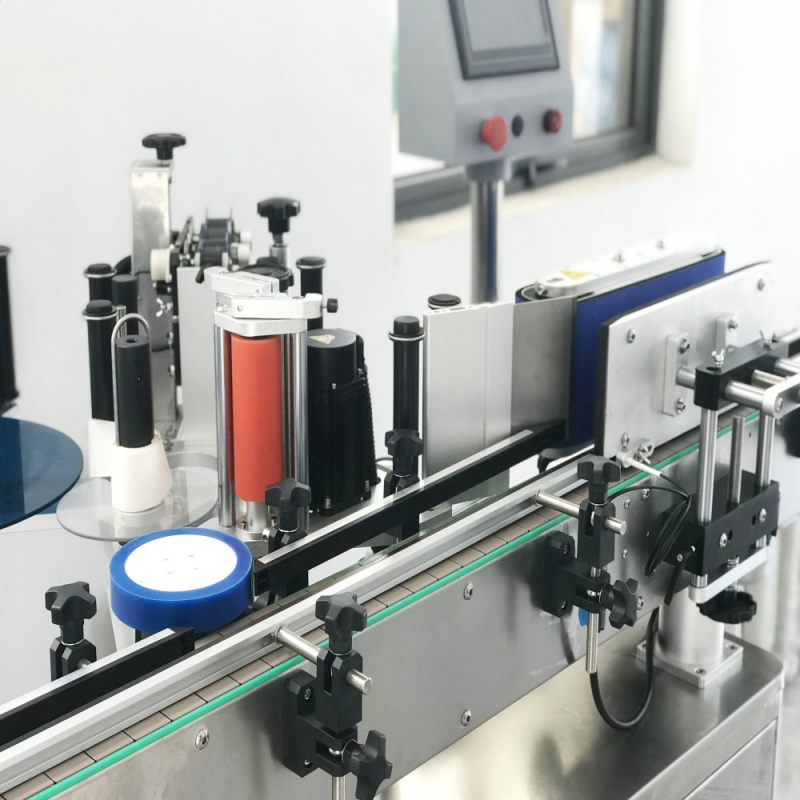
Contemporary automatic top label applicator systems represent the convergence of precision mechanical engineering and digital transformation technologies in industrial automation. These sophisticated units incorporate intelligent motion control algorithms that dynamically adjust application parameters based on real-time product profiling data. The core architecture typically features CANopen communication protocols, Ethernet/IP connectivity for Industry 4.0 compatibility, and redundant safety systems meeting SIL-2 standards. Advanced models incorporate machine learning capabilities that continuously optimize application pressure and speed settings based on historical performance data, reducing material waste through predictive adjustment. The technology finds extensive application in regulated industries where labeling accuracy directly impacts operational compliance. Medical device manufacturers implement these systems for applying UDI labels on sterile packaging with validated 21 CFR Part 11 compliant software. Food processing plants utilize USDA-approved models for applying nutritional facts labels on packaged goods, featuring washdown-ready construction with IP67 protection rating. Electronics assemblers deploy precision versions for applying microscopic component identification labels on PCB assemblies, utilizing vacuum-assisted placement technology for sub-millimeter accuracy. A comprehensive case study from a global cosmetics manufacturer demonstrated how integrating automatic top label applicators with augmented reality interfaces reduced operator training time by 70% while improving changeover efficiency. The installation featured dual-purpose application heads capable of handling both pressure-sensitive labels and heat-transfer decorations, with integrated UV curing systems for instant adhesive setting. The solution enabled the manufacturer to achieve 30% faster line speeds while reducing label rejection rates from 5.2% to 0.3% through continuous laser-guided registration correction. Emerging technological innovations include hybrid application systems that combine pressure-sensitive labeling with inkjet printing for variable data, and collaborative robot-integrated applicators for flexible manufacturing cells. The latest generation features energy-recovery systems that reduce power consumption by up to 40% through regenerative braking technology, alongside touchless product detection using time-of-flight sensors that eliminate mechanical contact with delicate products. For operations requiring extreme precision, ultra-high-resolution versions are available with application accuracy to ±0.1mm. Implementation planning requires careful assessment of production environment conditions, including ambient temperature ranges, humidity levels, and particulate contamination risks. Our engineering team provides comprehensive feasibility studies including 3D line modeling and virtual commissioning to ensure optimal integration. To receive application-specific technical data sheets and performance validation reports, please initiate a formal inquiry through our technical consultation portal.
Copyright © 2025 by Henan Best Packing Machine Co., Ltd. | Privacy policy